In modern steelmaking, controlling end‑point dissolved oxygen in the range of 50–70 ppm is a benchmark of high‑quality production. This narrow window ensures clean molten steel while enabling smooth continuous casting. Achieving this level of precision depends heavily on the choice of deoxidizer. Among the various options, Silicon‑Calcium‑Manganese (Si‑Ca‑Mn) composite deoxidizer has gained increasing recognition in the industry. But what exactly enables it to deliver such consistent performance? This article explores the answer from four perspectives: procurement needs, industry research, sourcing guidelines, and supplier evaluation.
For steel mills, end‑point oxygen content directly affects molten steel cleanliness, slab quality, and castability. Excessively high oxygen leads to blowholes, pinholes, and other casting defects; excessively low oxygen usually means excessive deoxidizer addition, which increases both inclusion levels and production costs. The 50–70 ppm range is widely regarded as a “sweet spot” – it effectively suppresses pinhole defects without wasting deoxidizer or compromising internal quality.
The unique strength of Si‑Ca‑Mn composite deoxidizer lies in the synergistic effect of its three active elements:
Silicon (Si) – Primary deoxidizing element; it combines with oxygen to form SiO₂, providing the foundation for the deoxidation reaction.
Manganese (Mn) – Secondary deoxidizer; more importantly, it reacts with SiO₂ to form low‑melting‑point manganese silicate (MnO·SiO₂). This keeps the deoxidation products in a liquid state at steelmaking temperatures, allowing them to coalesce, rise, and be removed from the molten bath.
Calcium (Ca) – Strong deoxidizer with a very high affinity for oxygen, and also a strong affinity for sulfur. It enables deep deoxidation and simultaneously modifies inclusion morphology.
The synergy is clear: manganese increases silicon’s deoxidizing power (by lowering the activity of SiO₂), while calcium further drives down oxygen levels to values that silicon‑manganese alone cannot achieve.
Traditional aluminum‑based deoxidizers (e.g., metallic aluminum, Si‑Al‑Fe, Si‑Al‑Ba) are powerful but carry notable drawbacks: the deoxidation product Al₂O₃ has a high melting point and tends to clog continuous‑casting nozzles, while also impairing steel toughness. In contrast, Si‑Ca‑Mn forms low‑melting liquid deoxidation products that improve steel fluidity and prevent nozzle blockage – a clear advantage for castability.
Research in ferrous metallurgy shows that composite deoxidizers outperform single‑element deoxidizers for several reasons:
Deoxidizing elements coexist in liquid steel, mutually enhancing their deoxidizing capacity.
Deoxidation products remain molten, facilitating their removal from the melt.
Volatile elements like calcium and magnesium become more soluble in steel when alloyed with silicon and manganese.
Inclusion morphology and composition are altered, improving steel properties.
The addition of calcium is particularly critical. Although calcium has a low boiling point (1440°C) and tends to vaporise at steelmaking temperatures, alloying it with silicon and manganese significantly improves its utilisation rate. Studies confirm that after deoxidation with Si‑Mn, subsequent addition of calcium‑bearing alloys can further reduce dissolved oxygen levels markedly.
Based on industry operating data, adding approximately 1.0–1.5 kg per tonne of steel of Si‑Ca‑Mn deoxidizer can reduce dissolved oxygen from about 220 ppm down to below 70 ppm. Long‑term trials across multiple steel mills have consistently demonstrated that Si‑Ca‑Mn delivers reliable deoxidation and desulphurisation performance, making it a proven alternative to traditional deoxidising agents.
Calcium’s contribution goes beyond simple deoxidation. Its strong affinity for sulfur (stronger than manganese) enables the formation of CaS, which partitions into the slag phase for desulphurisation. At the same time, calcium modifies alumina‑based inclusions (Al₂O₃) into low‑melting‑point calcium aluminates, improving both steel quality and castability. This explains why Si‑Ca‑Mn achieves deep deoxidation without relying on aluminium – a key factor in its success.
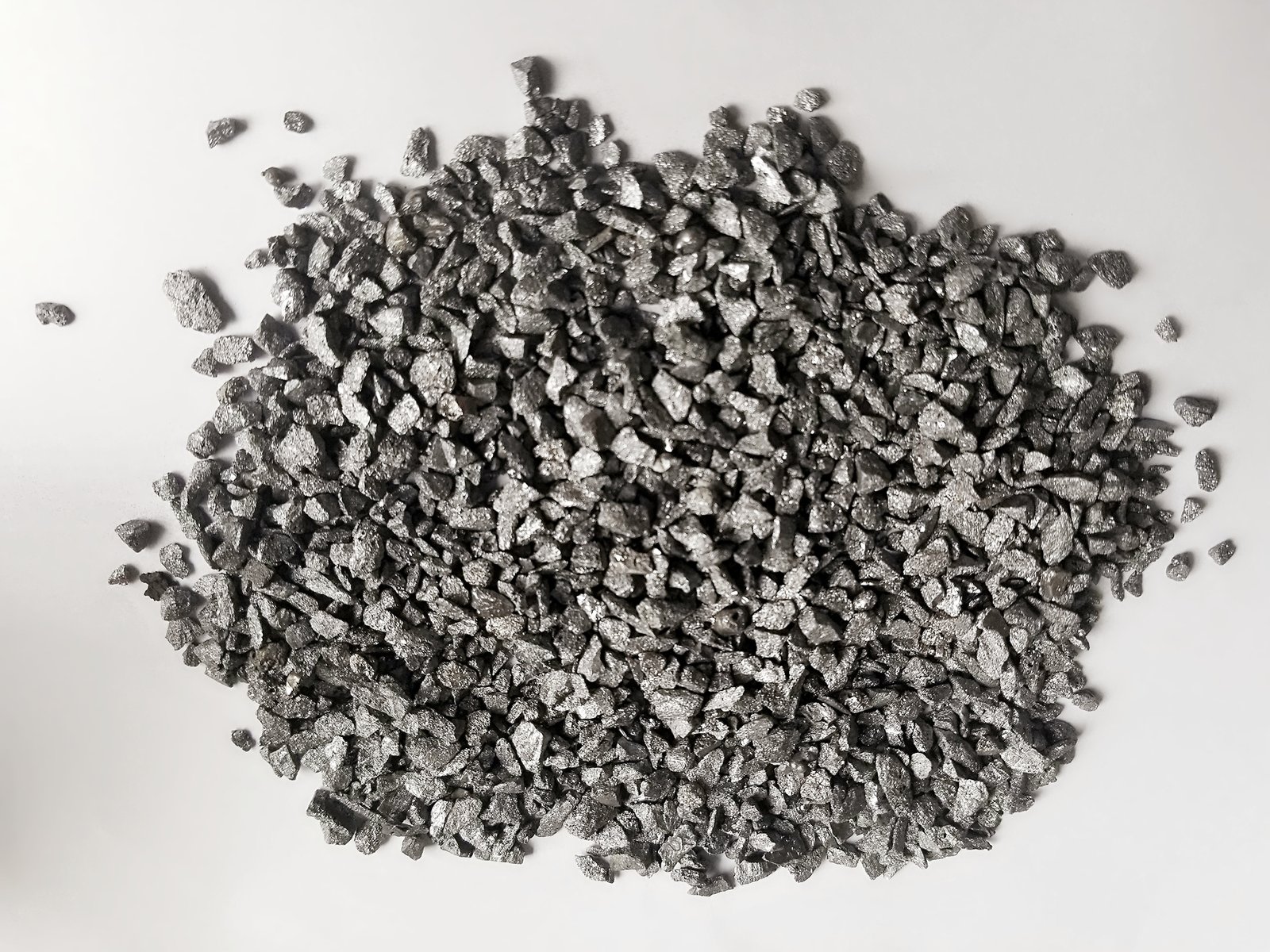
A high‑quality Si‑Ca‑Mn deoxidizer must have stable and consistent chemistry. Taking typical premium grades as a reference, the target composition is approximately: Ca 16% / Si 50% / Mn 16%. When evaluating products, pay special attention to:
Silicon content – determines baseline deoxidation capability.
Calcium content – dictates deep‑deoxidation and inclusion‑modification performance; this is the key value driver.
Manganese content – influences deoxidation‑product morphology and desulphurisation efficiency.
Impurity limits – phosphorus, sulfur, and other impurities must be within acceptable ranges.
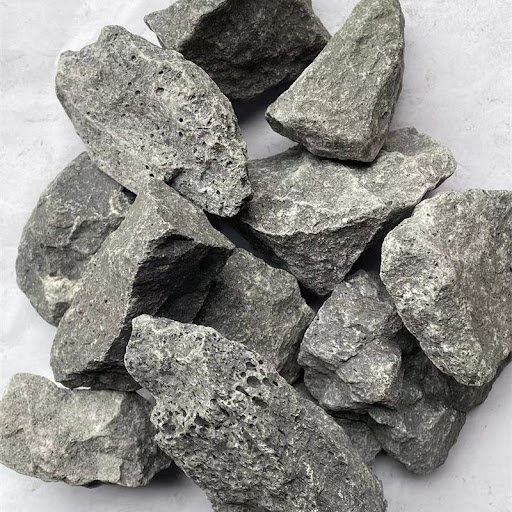
Particle size directly affects dissolution rate and reaction kinetics in molten steel. Select the appropriate size specification (powder, granular, or lump) according to your specific melting process. Some suppliers offer briquetted products (e.g., 1.5–3 mm flat‑oval shapes) that enhance alloy recovery and reduce dust losses.
Based on extensive mill experience, Si‑Ca‑Mn is typically used as a final deoxidiser, added when the molten steel temperature reaches pouring temperature + 30°C. Adding in multiple small batches yields better results than a single large addition. A typical addition rate is about 0.2% of the liquid steel weight. Alternatively, it can be placed directly at the bottom of the ladle before tapping, with standard ferromanganese and ferrosilicon additions made at around one‑quarter of the tap – this also delivers excellent outcomes.
Compared with conventional aluminium‑based deoxidizers, Si‑Ca‑Mn composite deoxidizer can reduce production costs by approximately RMB 20–30 per tonne of steel. Savings come from: partial replacement of Si‑Mn alloys, reduced aluminium consumption, and lower process interruptions caused by nozzle clogging.
| Evaluation Aspect | Characteristics of a Strong Supplier | Warning Signs |
|---|---|---|
| Production capability | In‑house large‑scale dry‑pressing lines; ability to customise sizes and forms | Relies on toll‑processing or re‑packaging only; no own production |
| Quality control | Complete testing facilities; provides batch‑specific chemical analysis certificates | Cannot supply certified test reports |
| Technical support | Offers application recipes and on‑site guidance | Product‑only sales; no technical assistance |
| Product portfolio | Broad range of multi‑component alloys; custom briquetting available | Narrow product line; inflexible specifications |
| Industry reputation | Proven track record with long‑term steel‑mill partnerships | No stable, referenceable customer base |
Anyang – home to a cluster of ferroalloy producers in China – hosts numerous deoxidiser manufacturers. When evaluating suppliers, it is highly recommended to visit the production site to verify raw‑material sources, manufacturing processes, and in‑house quality‑control systems.
Si‑Ca‑Mn deoxidiser achieves stable end‑point oxygen control in the 50–70 ppm range through the synergistic deoxidation mechanism of silicon, manganese, and calcium:
Silicon provides the primary deoxidation power;
Manganese modifies the oxide products to a low‑melting liquid phase, enabling flotation and removal;
Calcium delivers deep deoxidation and modifies inclusion morphology.
All three elements work in concert to create an efficient and cost‑effective steel‑cleaning solution. For steel mills striving to balance product quality with production cost, Si‑Ca‑Mn composite deoxidiser deserves serious evaluation. And choosing a technically competent supplier with rigorous quality control is the essential step that turns theoretical advantages into tangible operational benefits.
Beifang Alloy has long been dedicated to the R&D and production of deoxidising alloys. Our product range includes Si‑Ca‑Mn, Si‑Ca‑Ba‑Al, Si‑Al‑Ba‑Ca, and other multi‑component alloys. We welcome inquiries from both existing and prospective customers.
Contact Us:
Website: www.beifangalloy.com
Email: info@hnxyie.com