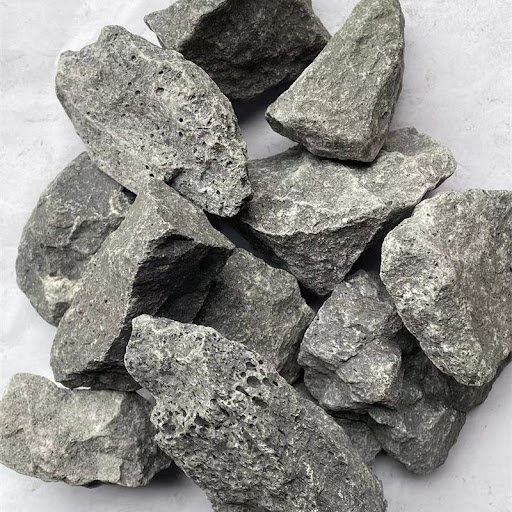
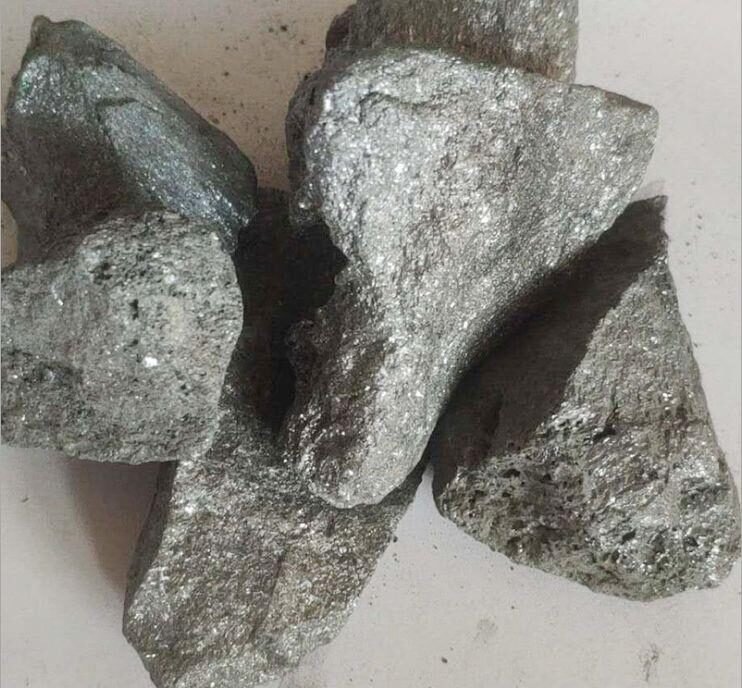
In modern steelmaking, deoxidation is a critical step that directly impacts steel quality, production efficiency, and cost. Among the various deoxidizers available, the silicon-calcium-manganese (Si-Ca-Mn) composite deoxidizer has gained widespread recognition as an ideal solution for both converter and electric furnace operations. But is it truly suitable for both? And how should procurement professionals evaluate this product?
At Beifang Alloy, a trusted ferro alloy manufacturer with years of industry expertise, we provide high-quality Si-Ca-Mn composite deoxidizers to steelmakers worldwide. This article explores the product from four essential perspectives: procurement needs, industry research, procurement guide, and supplier comparison.
Traditional deoxidizers like aluminum, silicon-aluminum-iron, and silicon-aluminum-barium are effective but come with significant drawbacks:
High cost – Prices remain elevated for aluminum-based deoxidizers
Quality concerns – Aluminum deoxidation produces Al₂O₃ inclusions that can harm steel quality and cause nozzle clogging during continuous casting
Complex logistics – Managing multiple alloy additions increases operational complexity
Silicon-calcium-manganese offers a compelling alternative by combining three powerful deoxidizing elements in one product:
Silicon (Si) – Strong deoxidizer with high affinity for oxygen
Calcium (Ca) – Exceptional affinity for both oxygen and sulfur; promotes formation of low-melting-point inclusions that easily float and separate
Manganese (Mn) – Essential alloying element that improves steel strength and hardness while reducing the need for separate silicon-manganese additions
| Benefit | Impact |
|---|---|
| Deep deoxidation | Reduces oxygen from ~220ppm to below 70ppm with 1.2-1.5kg/ton addition |
| Improved steel quality | Enhances toughness, impact resistance, and fluidity |
| Reduced alloy consumption | Lowers SiMn alloy usage by approximately 0.3 kg per ton of steel |
| Better recovery rates | Silicon recovery ≥85%; Manganese recovery ≥90% |
| Nozzle clogging prevention | Calcium creates low-melting-point inclusions that prevent build-up |
| Safe operation | No smoke or flame during use |
| Cost reduction | Lowers overall deoxidation and desulfurization costs |
Industry data confirms that silicon-calcium-manganese composite deoxidizer is suitable for both converter (BOF) and electric arc furnace (EAF) steelmaking.
For Converter Steelmaking:
Typically added at 1.0-1.5 kg per ton of steel during tapping
Placed directly at the bottom of the ladle before tapping begins
Deoxidizes effectively while supporting alloying with manganese
Particularly effective for plain carbon steel grades
For Electric Furnace Steelmaking:
Serves as a reducing deoxidizer in the EAF-LF refining process
Low melting point and excellent fluidity shorten refining time and reduce power consumption
Functions effectively in both primary melting and ladle refining stages
Independent studies demonstrate that Si-Ca-Mn achieves deoxidation/desulfurization performance statistically equivalent to calcium-silicon (CaSi) under identical conditions, while simultaneously introducing manganese – effectively consolidating two separate alloy additions into one step.
| Parameter | Typical Range |
|---|---|
| Silicon (Si) | 18-55% |
| Calcium (Ca) | 20-30% |
| Manganese (Mn) | 6-13% |
| Particle Size | 0-10mm, 10-60mm (customizable) |
Note: Specifications vary by manufacturer; confirm with your supplier.
When sourcing Si-Ca-Mn deoxidizer, consider these factors:
Chemical Consistency – Request recent spectrochemical analysis reports. Ensure tight control of P and S (typically ≤0.05%).
Particle Size Distribution – Confirm the sizing matches your handling and addition equipment. Custom sizes are available from reputable suppliers.
Recovery Performance – Ask about documented recovery rates for Si and Mn in actual production conditions.
Manufacturing Process – Prefer suppliers who use primary smelting (one-step process) rather than remelting scrap or secondary alloys, which can compromise purity.
Consumption Economics – Calculate total cost of ownership including:
Deoxidizer price per ton
Savings from reduced SiMn alloy consumption
Energy savings from faster refining
Improved yield and quality benefits
The Si-Ca-Mn deoxidizer market includes various supplier types:
| Supplier Type | Advantages | Considerations |
|---|---|---|
| Direct alloy producers (e.g., Beifang Alloy) | Consistent quality, competitive pricing, full traceability | May have minimum order quantities |
| Traders/aggregators | Broader product range, sometimes lower minimums | Quality variability, less control |
| Secondary processors | Can customize to some degree | May use lower-grade raw materials |
What is your production capacity and lead time?
Can you provide batch-specific chemical analysis?
What quality control procedures do you follow?
Do you have references from steelmakers using your products?
What technical support do you offer?
At Beifang Alloy, we stand out as a trusted ferro alloy supplier with:
Direct production capability – Full control over quality from raw material to finished product
Consistent specifications – Rigorous quality control at every stage
Global expertise – Serving steel mills and foundries worldwide
Technical support – Assistance with product selection and application optimization
Reliable supply – Robust production capacity and efficient logistics
Silicon-calcium-manganese composite deoxidizer represents a proven, cost-effective solution for both converter and electric furnace steelmaking. Its ability to deliver deep deoxidation, desulfurization, and alloying in one product – while reducing overall costs – makes it an increasingly popular choice among steelmakers.
For procurement professionals, the key is to select a supplier with consistent quality, transparent specifications, and a track record of reliability. Beifang Alloy offers exactly that – premium Si-Ca-Mn deoxidizer backed by years of expertise in the ferro alloy industry.