In today’s steel industry landscape, “cost reduction and efficiency improvement” has long evolved from a slogan into a survival necessity. On one side, steel mills are imposing increasingly stringent requirements on molten steel purity and quality indicators; on the other, fluctuating alloy raw material prices are putting mounting pressure on procurement budgets. Procurement teams find themselves caught in the middle—tasked with safeguarding quality while controlling costs. It’s a tough balancing act.
As a commonly used composite deoxidizer in steelmaking, Si-Ca-Mn has gained significant traction in recent years. However, product quality in the market varies widely, with prices ranging from a few thousand to over ten thousand USD per ton. So how do you make the right choice without falling into traps? This article will walk you through four key dimensions—procurement needs, industry research, procurement guide, and supplier comparison—to help you clarify your decision-making process.
Before evaluating options, start with a fundamental question: What specific problem do you need the deoxidizer to solve?
Different steel grades and furnace types have vastly different requirements for deoxidizers. The core functions of Si-Ca-Mn composite deoxidizer are deoxidation, desulfurization, and improving molten steel fluidity. But application scenarios vary:
Plain carbon steel & low-alloy steel: The primary focus is rapid deoxidation and cost control, with relatively lenient requirements on the morphology and distribution of deoxidation products.
High-quality steel, stainless steel & bearing steel: These demand not only thorough deoxidation but also deoxidation products that easily float and do not form inclusions, placing higher demands on steel cleanliness.
Converter steelmaking: Si-Ca-Mn is often utilized for its temperature-raising effect, serving dual purposes of deoxidation and temperature adjustment.
Therefore, the first step in procurement is not price comparison, but a clear understanding of your mill’s product mix, smelting processes, and target quality requirements. Using the wrong product at a low price is still a waste.
Recent market feedback reveals several distinct characteristics of the Si-Ca-Mn deoxidizer industry:
Domestic Si-Ca-Mn deoxidizer production is heavily concentrated in the Anyang area of Henan Province, leveraging local resource advantages and a mature industrial ecosystem. However, even among Anyang-based manufacturers, production capabilities and quality control vary dramatically:
Reliable manufacturers operate full-process equipment, including medium-frequency induction furnaces, crushers, briquetting machines, drying ovens, and mixing production lines, along with spectrometer testing capabilities.
Small workshops may simply blend raw materials and press them without any testing capability, leading to significant composition fluctuations.
The key indicators for Si-Ca-Mn are the contents of Si, Ca, and Mn, along with impurity control for S and P. Yet products marketed under the same “Si-Ca-Mn” name can have Ca content ranging from 10% to 23% and Mn content from 16% to 22%—and prices naturally follow suit. Comparing prices by product name alone, without verifying the detailed chemical composition sheet, is a surefire way to fall for “low-price” traps.
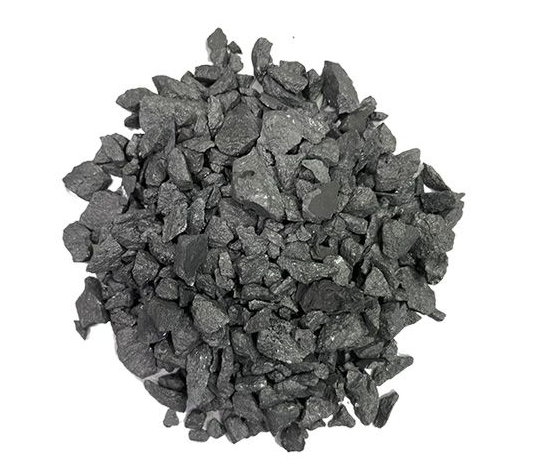
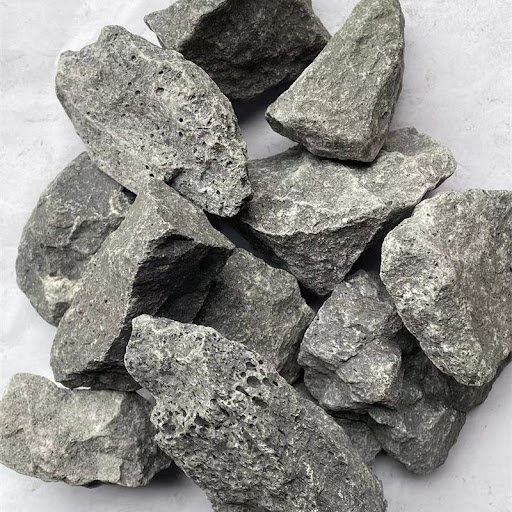
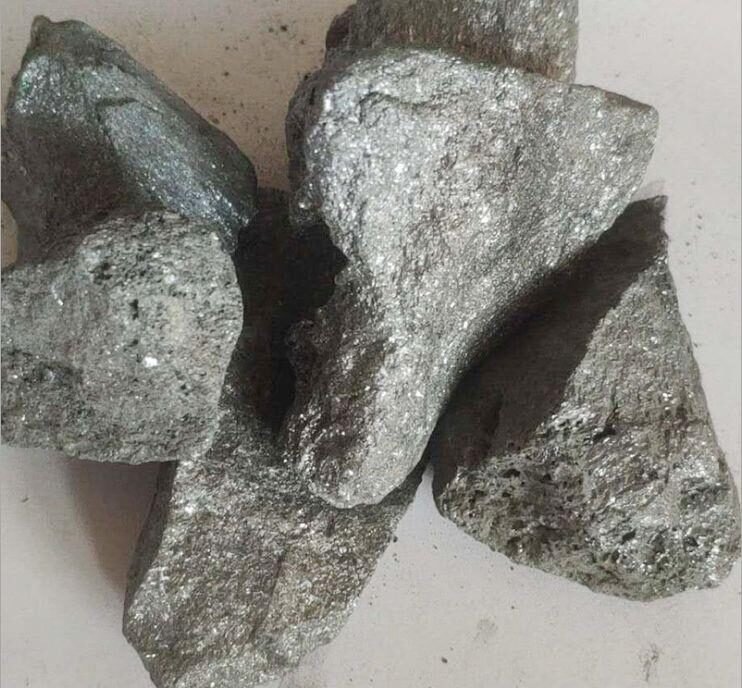
Early Si-Ca-Mn products were mainly available in powder or lump form. Today, more manufacturers are introducing briquette (ball) and granular products. The advantages of pressed briquettes include: uniform composition, dust-free handling, convenient feeding, and higher utilization rates—all contributing to improved workshop environments and deoxidation efficiency. This has become a clear industry trend.
With both quality and cost under pressure, procuring Si-Ca-Mn deoxidizer requires a more scientific evaluation approach. Here are four dimensions to consider:
Don’t just look at the product name—always request a detailed chemical composition test report. Pay close attention to:
| Parameter | Significance | What to Look For |
|---|---|---|
| Ca Content | Determines deoxidation & desulfurization capability | Quality products: Ca ≥ 17%; premium grades: ≥ 22% |
| Mn Content | Supplements manganese, reduces Si-Mn alloy usage | Typically 16%–23%, match with steel grade requirements |
| Si Content | Assists deoxidation, adjusts silicon levels | Generally 40%–50%, varies by type |
| S, P | Harmful impurities—lower is better | Quality grades: S ≤ 0.05%, P ≤ 0.04% |
Manufacturing equipment: Suppliers with in-house smelting capacity offer more consistent quality than those that only blend purchased materials.
Testing capability: Availability of spectrometers and the ability to provide batch-by-batch composition reports are fundamental quality assurance measures.
Track record: Long-term supply relationships with large steel mills are the most direct trust endorsement.
Cost per ton of steel = Deoxidizer unit price × Consumption per ton ± Savings/additional costs from other alloys
Some deoxidizers have a lower unit price but require higher consumption and deliver inferior results. Others have a higher unit price but lower consumption and can replace part of the Si-Mn alloy and ferrosilicon, making them more cost-effective overall. Always conduct a comprehensive cost-per-ton calculation rather than fixating on unit price alone.
Can the supplier offer customized formulations? Different steel grades require different composition ratios—suppliers with R&D capability can tailor products to your needs.
Are trial samples available? Some manufacturers offer free samples (freight at buyer’s expense)—this is the most direct way to verify real-world performance.
Does packaging and logistics match your usage scenario? Options like ton bags, small bags, inner plastic with outer woven bags—details matter for user experience.
Based on publicly available information, here’s a side-by-side comparison of several Si-Ca-Mn deoxidizer suppliers (for reference only—actual on-site evaluation is recommended):
| Comparison Dimension | Beifang Alloy (Anyang) | Bosen Metallurgy (Anyang) | Huanjiang Refractory (Wuxi) | Typical Traders/Small Workshops |
|---|---|---|---|---|
| Manufacturing Equipment | Large-scale dry-press briquetting line; customizable briquette shapes | 4 medium-frequency furnaces, 8 crushers, briquetting machines, spectrometer testing | SGS/BV certified; direct-reading spectrometer testing | Mostly blending or OEM; no smelting capability |
| Composition Control | Full specification range; custom blending available | Low S, low P; contains trace rare earths and active fluxing agents | Standard values compared with actual test results; strict QC | Significant composition fluctuations; no test reports |
| Product Forms | Powder, granules, lumps, briquettes—all available | Briquettes and granules; improves utilization rates | 2–8 mm granules primarily | Mostly traditional lumps or powders |
| Service Features | Free trial samples available (freight at buyer’s expense) | Monthly output 4,000+ tons; significant scale advantage | 4+ spectrometer tests per order | No quality assurance; poor after-sales support |
| Typical Applications | Electric furnaces, converters, medium-frequency furnaces—all scenarios | Quality steel, stainless steel, converter temperature boosting | Bearing steel, alloy structural steel | Low-end plain carbon steel; price-sensitive customers |
As the table shows, even when procuring the same category of Si-Ca-Mn deoxidizer, suppliers differ enormously in equipment capability, quality control systems, product forms, and service depth. These differences ultimately translate into actual performance and cost-per-ton outcomes.
Under the dual pressures of quality and cost, the “optimal choice” for procuring Si-Ca-Mn deoxidizer is not the cheapest option, nor the one with the highest specifications, but the one that best matches your steel grade mix, furnace type, and specific application scenario.
Practical Recommendations:
Clarify your requirements: Start by reviewing your steel product portfolio, smelting processes, and target quality standards.
Match specifications: Require detailed chemical composition reports from suppliers; focus on core indicators like Ca, Mn, S, and P.
Evaluate supplier capability: Prioritize manufacturers with in-house smelting equipment, testing capabilities, and a proven track record of long-term supply.
Calculate total cost: Conduct a comprehensive cost-per-ton analysis—don’t just look at unit price.
Try before you buy: Arrange sample trials to verify deoxidation performance and cost-effectiveness under your actual operating conditions.