In the refining stage of steelmaking, the quality of the deoxidation process directly determines the cleanliness and final performance of the steel. For many steel mills, Al₂O₃ (alumina) inclusions remain a persistent headache: these inclusions are hard and brittle, causing not only clogging of continuous casting nozzles but also reduced toughness and poor workability in the finished steel. Traditional aluminum deoxidation is highly effective, yet its very byproduct is Al₂O₃ itself—a classic case of “the cure creating the problem.”
At Beifang Alloy (www.beifangalloy.com), we have worked extensively with electric arc furnace, converter, and medium-frequency furnace customers, and we deeply understand this dilemma. The Silicon-Calcium-Manganese (Si-Ca-Mn) composite deoxidizer is widely regarded as a “specialist” in treating Al₂O₃ inclusions, and the reason lies in its unique “modification” and “co-melting” mechanisms.
To fundamentally address the harm caused by Al₂O₃, we cannot rely solely on “removal”—we must focus on “modification.” The outstanding performance of Si-Ca-Mn is grounded in the following metallurgical principles:
Calcium’s “Modification” Effect: Converting Solid High-Melting Al₂O₃ into Liquid Calcium Aluminates
This is the core value of Si-Ca-Mn. Calcium (Ca) in molten steel has a very strong affinity for Al₂O₃. Through the reaction 3Ca + Al₂O₃ = 2Al + 3CaO, calcium transforms high-melting-point (approximately 2050°C) solid Al₂O₃ inclusions into low-melting-point calcium aluminates (e.g., 12CaO·7Al₂O₃, melting point ≈ 1400°C). These liquid inclusions become spherical at steelmaking temperatures and are easier to float out, fundamentally eliminating nozzle clogging and reducing anisotropy in the final product.
Synergistic Deoxidation of Si and Mn: Creating a Low-Oxygen Environment and Suppressing Reoxidation
Silicon (Si) and Manganese (Mn) combine to deoxidize, generating low-melting-point manganese silicates (MnO-SiO₂). When the residual oxygen in the steel is low, the calcium yield is significantly higher, and the modification effect is more stable. Manganese enhances the solubility of calcium in steel, while silicon effectively reduces oxygen activity—creating the ideal thermodynamic conditions for calcium’s modification reaction.
Improved Inclusion Floatability for Cleaner Steel
Compared to pure Al₂O₃, the inclusions (CaO-Al₂O₃-SiO₂ system) formed after Si-Ca-Mn treatment have a higher interfacial tension with the molten steel and a smaller wetting angle. This makes them less likely to remain suspended and more prone to float up into the slag phase during refining, achieving deep purification of the steel.
Based on industry research and direct feedback from steel mills, an ideal Silicon-Calcium-Manganese deoxidizer should possess the following characteristics:
Precise Composition Design: The ratio of Ca, Si, and Mn should be dynamically adjustable for different steel grades. For Al-killed steels, the typical requirement is Ca ≥ 10% and Si ≥ 40%, with a moderate Mn content to maintain good steel fluidity.
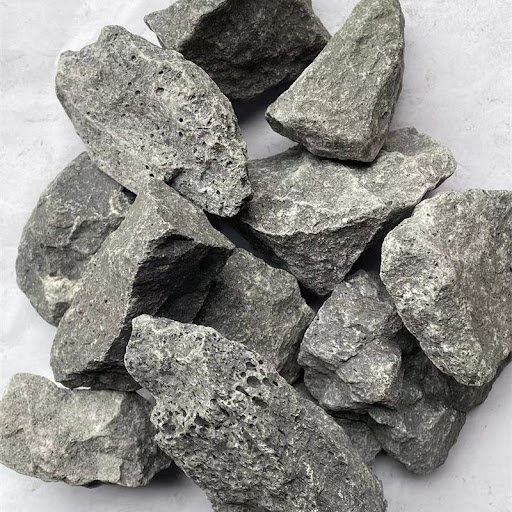
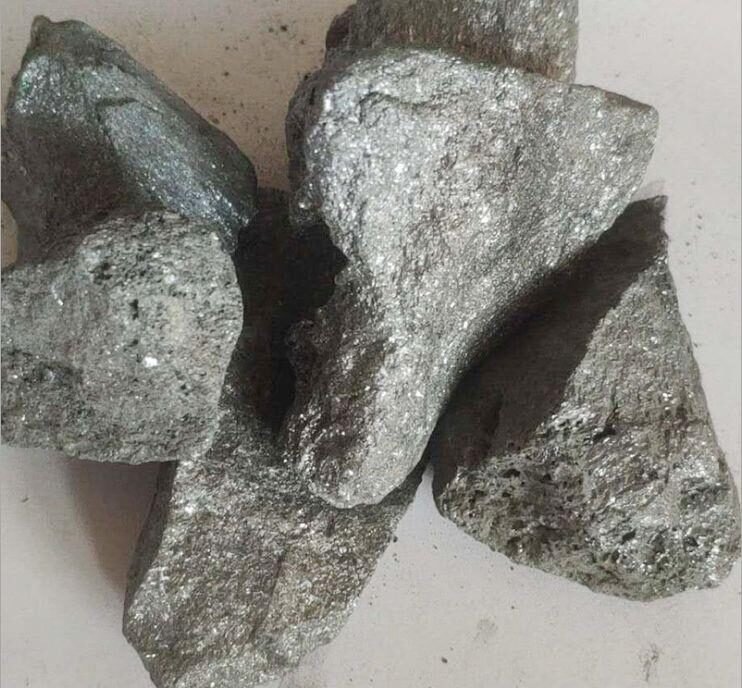
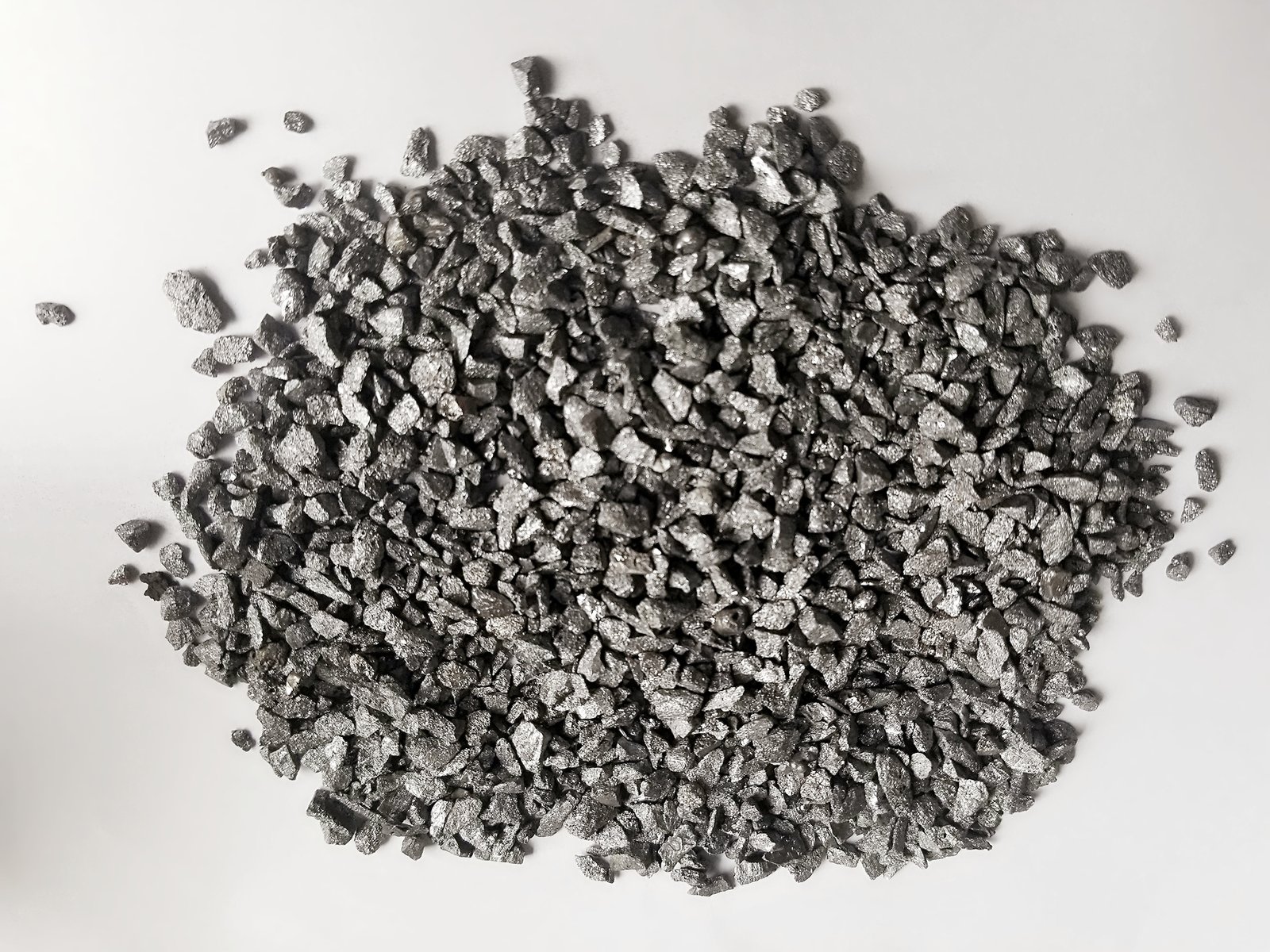
Optimal Physical Form: Most steel mills prefer briquette shapes (e.g., 1.5×2.5×3cm oval/cylindrical briquettes) because they melt rapidly in molten steel, produce minimal dust, and are compatible with automated conveying systems.
When selecting a Si-Ca-Mn supplier, we recommend steel mills conduct a comparative evaluation based on the following criteria:
| Comparison Dimension | Average Supplier (Common Issues) | High-Quality Supplier (Beifang Alloy Standard) |
|---|---|---|
| Composition Consistency | Fluctuating calcium content leads to inconsistent modification results, making nozzle clogging unpredictable. | Strict raw material control with customizable blending ratios to ensure batch-to-batch uniformity—optimized Ca/Al ratios specifically for Al-killed steels. |
| Physical Form & Quality | High powder content causes burn-off losses and environmental issues; oversized lumps dissolve too slowly. | Advanced dry-pressing briquette production lines that produce uniform particle sizes, ensuring rapid melting/absorption while significantly reducing dust pollution. |
| Metallurgical Performance | Only surface-level deoxidation with limited improvement in inclusion morphology and toughness. | Precise calcium treatment that modifies high-melting Al₂O₃ into liquid inclusions, effectively improving steel fluidity and reducing overall costs by USD 3–5 per ton of steel. |
| Technical Support | Product-only sales with no process guidance. | Complimentary deoxidizer formulation and application process guidance—helping clients optimize their deoxidation practices with a “solution-based” rather than just “product-based” approach. |
In recent years, with tightening quality requirements for steel cleanliness—especially in applications like wire rods and thin sheets—traditional Si-Mn deoxidation can no longer meet low-oxygen demands. Conversely, full aluminum deoxidation brings the burden of Al₂O₃-related issues. Si-Ca-Mn has emerged as the ideal solution, striking the perfect balance between “cost” and “cleanliness.” It not only resolves the physical challenge of nozzle clogging but also, through inclusion plasticization, significantly enhances the deep-drawing performance and ductility of the final product.
If you are facing challenges with poor steel fluidity, nozzle clogging, or excessive inclusions, we invite you to reach out for a tailored deoxidation solution.
Beifang Alloy
Specialist in Ferroalloy Manufacturing & Advanced Deoxidizer Development
Website: www.beifangalloy.com
Email: info@hnxyie.com
Making every heat cleaner, every melt more efficient.