In steelmaking, deoxidation is the critical step that determines the purity of molten steel and ultimately the quality of the finished steel product. As a professional ferroalloy manufacturer, Beifang Alloy (www.beifangalloy.com) frequently receives this question from customers: Among the three mainstream furnace types—electric furnace, converter, and medium-frequency induction furnace—which one delivers the best performance for Si-Ca-Mn (Silicon-Calcium-Manganese) composite deoxidizer?
Today, we will analyze this question from four dimensions: procurement needs, industry research, procurement guide, and supplier comparison.
To answer “which furnace performs best,” we must first understand the process characteristics and core priorities of each furnace type:
| Furnace Type | Process Characteristics | Core Procurement Pain Points |
|---|---|---|
| Converter (BOF) | High-speed operation, large output, short refining cycle (typically 20-40 minutes). Requires rapid and stable deoxidation. High purity requirements to avoid inclusions that affect continuous casting. | “Stable deoxidation under fast-paced production with cost control” |
| Electric Arc Furnace (EAF) | Uses scrap steel as primary raw material, resulting in complex molten steel composition with more impurities. Allows precise temperature and composition control. Focuses on deep purification and inclusion modification. | “Deep purification, inclusion removal, and improved steel fluidity” |
| Medium-Frequency Induction Furnace (MF) | Typically used for foundry or small-scale special steel production. Small melting capacity, relatively coarse temperature control. Simple and convenient operation is highly valued. | “Easy operation, quick results, and high cost-effectiveness” |
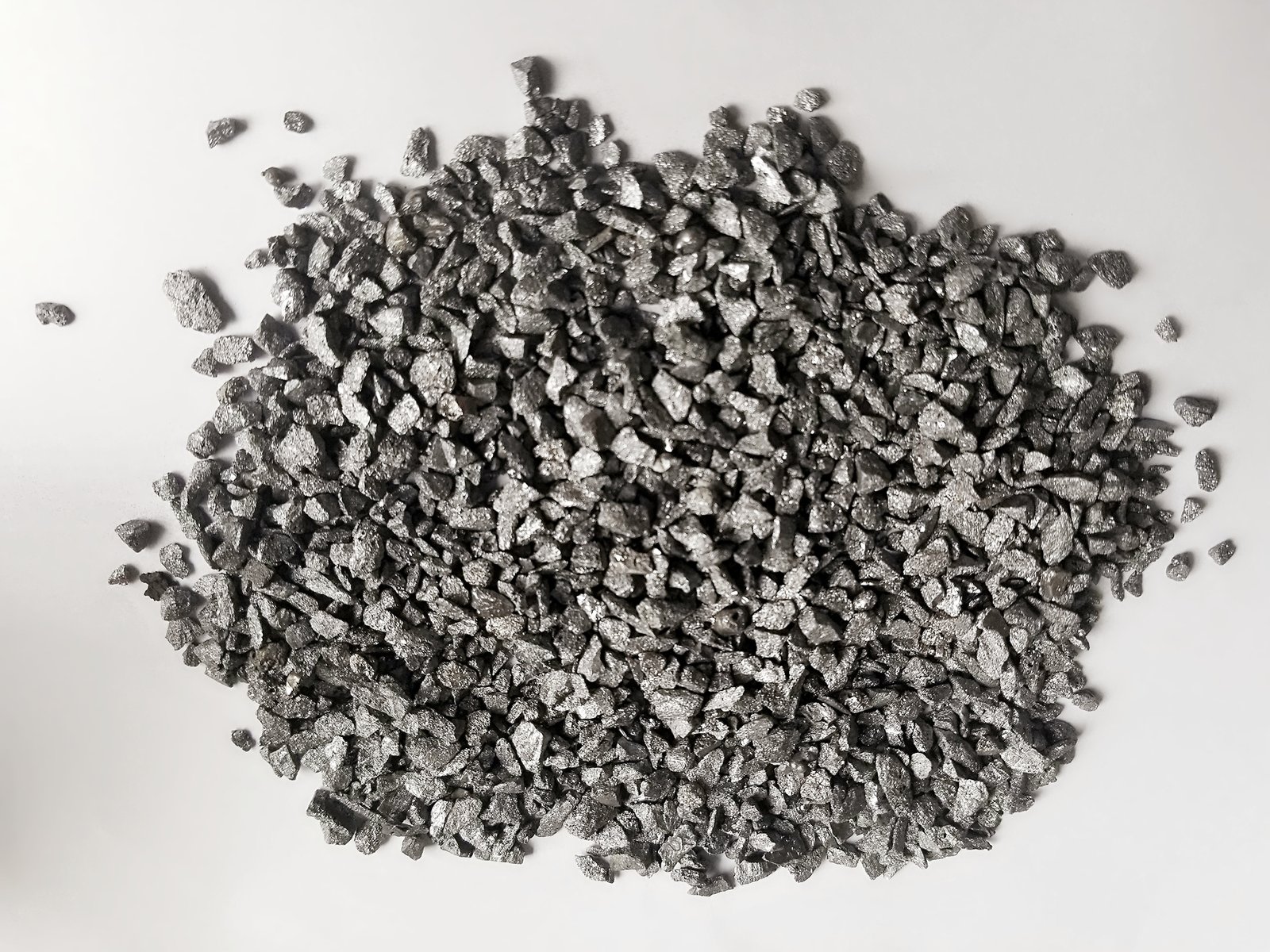
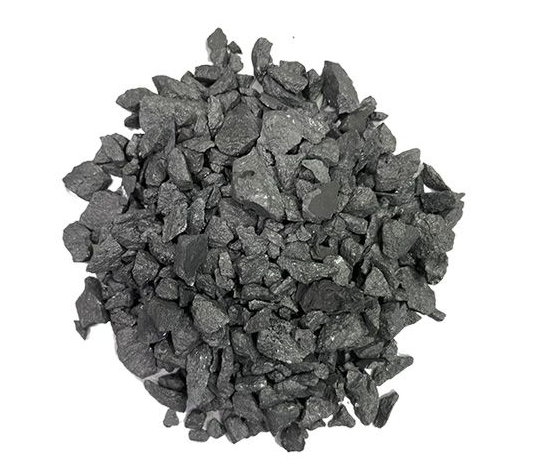
Si-Ca-Mn is a composite deoxidizer that skillfully combines the advantages of three elements: Silicon (Si), Calcium (Ca), and Manganese (Mn):
| Element | Key Role in Deoxidation |
|---|---|
| Silicon (Si) | Strong deoxidizing ability; combines with oxygen to form SiO₂. Effective in reducing oxygen content. |
| Calcium (Ca) | One of the strongest deoxidizers among common elements. Also acts as a desulfurizer. Its deoxidation products (calcium silicates) have low melting points, facilitating flotation and removal. |
| Manganese (Mn) | Acts as a mild deoxidizer and desulfurizer. Enhances strength and toughness while improving steel’s hot-working properties. |
Strong deoxidizing capability – Silicon and calcium have exceptionally high affinity for oxygen.
Inclusion modification – Calcium modifies oxide inclusions into low-melting-point calcium silicates that easily float and separate, significantly improving steel cleanliness and preventing nozzle clogging during continuous casting.
Synergy – When silicon and manganese work together, the deoxidation products form liquid silicates that coalesce and float more readily, achieving far superior results than single-element deoxidizers.
These characteristics make Si-Ca-Mn an ideal deoxidizer applicable across all three furnace types.
Rating: ★★★★☆ (Excellent)
In BOF steelmaking, the fast pace demands a deoxidizer that reacts quickly and delivers consistent results. Si-Ca-Mn composite deoxidizer effectively reduces oxygen content in molten steel—industry data shows it can lower oxygen from ~220 ppm to below 70 ppm. Its deoxidation products readily float, significantly improving steel cleanliness to meet the quality requirements of high-grade steel production in converters.
Additionally, it can partially replace more expensive aluminum-based deoxidizers, reducing ton-steel costs. Industry feedback from major steel mills such as Egang and Magang confirms its effectiveness as an ideal deoxidizer substitute in BOF applications.
Best for: Large-scale steel mills prioritizing production efficiency and cost optimization.
Rating: ★★★★★ (Outstanding)
In EAF steelmaking, where precise composition control is essential, Si-Ca-Mn truly shines. Beyond efficient deoxidation, its powerful desulfurization and purification capabilities are maximized. It effectively reduces gas content and harmful impurities in steel, improving toughness and impact properties.
For EAF processes that include secondary refining (such as LF ladle furnaces), Si-Ca-Mn is also a commonly used deoxidizer, providing optimal initial molten steel conditions for subsequent refining steps.
Best for: Special steel producers and mills requiring high-purity steel with stringent quality standards.
Rating: ★★★☆☆ (Good)
MF induction furnaces have short melting cycles and value operational simplicity. When used as a final deoxidizer, Si-Ca-Mn is typically added at approximately 0.2% of the molten steel weight—simple operation with intuitive deoxidation results.
However, due to the furnace’s inherent limitations in controlling flotation time for deoxidation products, the “deep purification” advantage of Si-Ca-Mn is somewhat constrained. Nevertheless, its dual function of increasing manganese content while saving on silicon and manganese ferroalloy consumption offers excellent value for small to medium-sized foundries.
Best for: Small foundries and casting operations prioritizing ease of use and cost-effectiveness.
Si-Ca-Mn deoxidizer performs well across all three furnace types, but with different emphasis:
| Priority | Recommended Furnace Type | Why |
|---|---|---|
| Maximum purity & quality stability | EAF or BOF + LF refining | Deep purification capabilities fully utilized |
| High efficiency & low-cost mass production | Converter (BOF) | Fast, stable deoxidation with cost advantages |
| Flexibility & simple operation | Medium-Frequency Induction Furnace | Economical upgrade option; improves casting quality while reducing alloy costs |
Choosing a reliable supplier is just as important as choosing the right deoxidizer. Beifang Alloy stands out with the following core advantages:
| Dimension | Beifang Alloy Advantage | Common Industry Pain Points |
|---|---|---|
| Production Experience | Years of ferroalloy manufacturing experience with professional R&D and production teams ensuring stable product quality. | Small-scale manufacturers experience quality fluctuations and inconsistent compositions. |
| Customization | Ability to customize Si-Ca-Mn products with various compositions and particle sizes to match different furnace types and steel grades. | Limited product specifications that fail to match specific processes. |
| Quality Control | Strict multi-stage testing from raw materials to finished products, ensuring every batch meets chemical composition and physical property standards. | Lack of testing capabilities; quality is not traceable. |
| Technical Support | Beyond product supply, we provide application technical support to help clients optimize deoxidation processes and reduce overall ton-steel costs. | Suppliers focus solely on sales with no after-sales service. |
| Industry Reputation | Long-term, stable partnerships with numerous domestic and international steel and foundry companies. | Unclear market reputation; high cooperation risks. |
Si-Ca-Mn composite deoxidizer performs excellently in electric furnaces, converters, and medium-frequency induction furnaces—truly an “all-rounder.” The choice depends on your specific smelting process, quality requirements, and cost objectives.
Beifang Alloy is committed to providing high-quality, customized Si-Ca-Mn products backed by comprehensive technical support—helping you optimize your steelmaking process and enhance product competitiveness.
🌐 Website: www.beifangalloy.com
📩 Email: info@hnxyie.com
We look forward to partnering with you for superior deoxidation solutions.