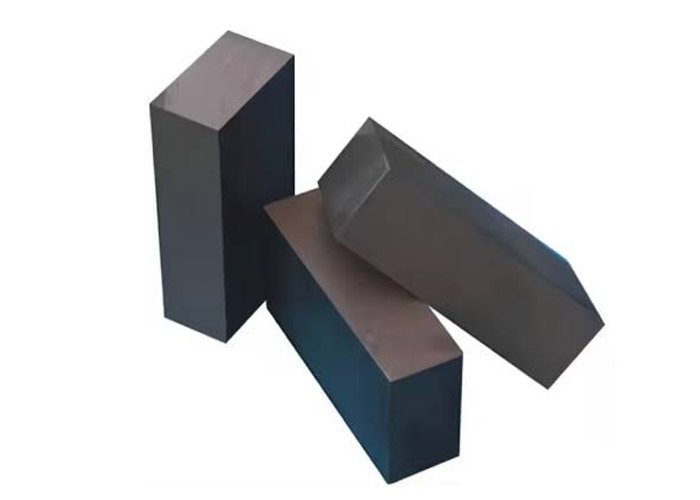
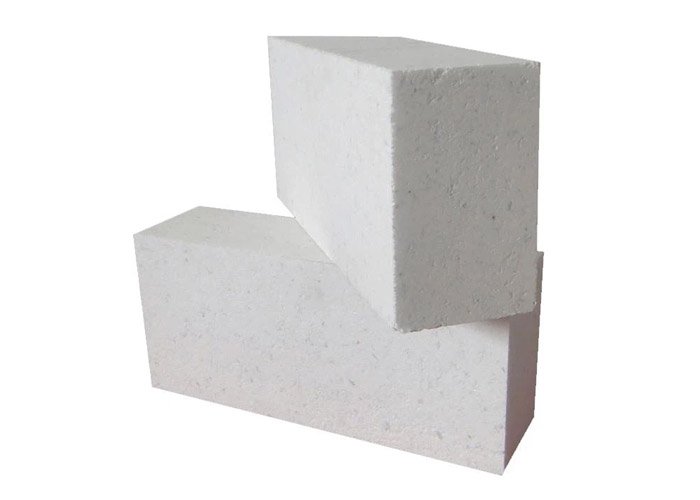
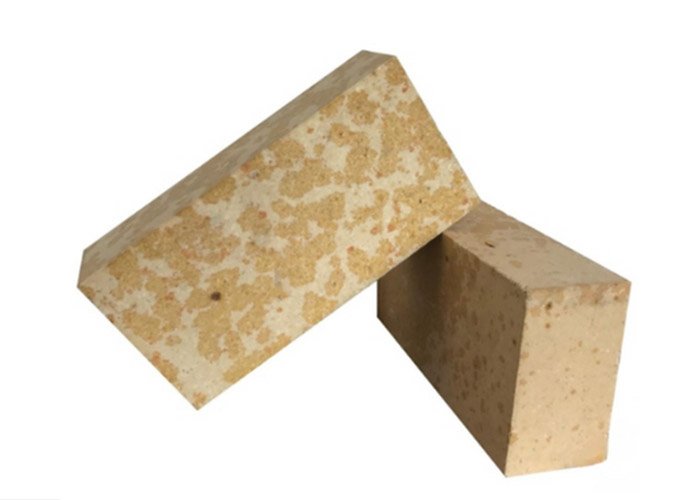
Refractory brick cracking is one of the most common — and most frustrating — problems in steelmaking, cement, glass, and non-ferrous smelting operations. When a furnace lining cracks prematurely, the first instinct is often to blame the supplier: “The bricks must be defective.” But in our experience as a refractory materials supplier to steel mills and foundries worldwide, the root cause is roughly a 50/50 split between quality issues and usage issues — and knowing which one you’re dealing with can save you significant downtime and cost.
This article breaks down the causes of refractory brick cracking across four dimensions: procurement needs, industry research, procurement guide, and supplier comparison.
Before diagnosing a crack, you must first clarify what kind of refractory brick you’re using and where. Different applications have very different cracking tolerance thresholds.
For Steelmaking (Converter, EAF, Ladle):
If you’re purchasing magnesia-carbon bricks, high-alumina bricks, or silica bricks for steelmaking vessels, cracking is usually a thermal shock or slag erosion issue. Magnesia-carbon bricks are designed to resist thermal cycling, but if the crack propagates through the carbon-bonded matrix, it’s often a sign of insufficient carbon content or poor binder quality — a quality issue. If cracks appear only at the hot face after extended service, it’s normal wear.
For Cement & Lime Kilns:
High-alumina and fireclay bricks in rotary kilns are subject to thermal cycling and mechanical stress. Cracks here are frequently caused by improper kiln shell ovality, excessive rotation speed, or inadequate expansion joints — usage issues rather than brick quality.
For Glass Furnaces & Non-Ferrous Smelting:
Zirconia-corundum or chrome-corundum bricks are highly sensitive to thermal shock. Cracking in these applications is almost always a temperature control issue during heat-up or cool-down — not a manufacturing defect.
Procurement Insight: BeiFang Alloy recommends that before placing any order, you clearly define the operating temperature range, thermal cycling frequency, slag/corrosive environment, and mechanical load. A brick that performs flawlessly in a continuous-operation furnace may crack rapidly in a cyclic-operation vessel. Matching the brick grade to the actual service condition is the first line of defense against cracking.
Industry data and our own field experience point to six major causes of refractory brick cracking. Understanding these helps you diagnose whether you’re facing a quality or usage problem.
1. Thermal Shock (Most Common — Usage-Related)
Rapid heating or cooling causes differential expansion between the brick’s hot face and cold face. When thermal stress exceeds the brick’s tensile strength, cracks form. This is especially common during furnace start-up, shutdown, or sudden power interruptions. Solution: controlled heat-up/cool-down curves and adequate expansion joints.
2. Improper Expansion Joint Design (Usage-Related)
Refractory bricks expand when heated. If expansion joints are too narrow or missing, the bricks push against each other, causing spalling and cracking. Conversely, joints that are too wide allow slag penetration. Proper joint design is a furnace engineering issue, not a brick quality issue.
3. Raw Material & Manufacturing Defects (Quality-Related)
Low-purity raw materials, insufficient firing temperature, poor binder distribution, or inadequate pressing density can all create internal weaknesses. These bricks may look fine on delivery but crack under thermal load. Key indicators: bulk density below specification, apparent porosity too high, or inconsistent color/batch appearance.
4. Slag & Chemical Attack (Usage-Related, Sometimes Quality)
Slag penetration into the brick’s pores causes chemical reactions that generate new phases with different volumes, leading to internal stress and cracking. If the brick’s slag resistance grade was mismatched to the actual slag chemistry, this is a procurement selection issue. If the brick’s chemical composition deviates from specification, it’s a quality issue.
5. Mechanical Stress & Installation Errors (Usage-Related)
Poor masonry quality — uneven brick joints, insufficient mortar coverage, or bricks installed with the wrong orientation — creates stress concentration points. Over time, these become crack initiation sites. Installation quality is often the hidden culprit that gets misattributed to the supplier.
6. Storage & Handling Damage (Usage-Related)
Refractory bricks are brittle. Improper storage (exposure to moisture, freezing, or stacking too high) or rough handling during transport can create micro-cracks that only become visible after the furnace heats up. Pre-installation inspection is essential.
Industry Takeaway: In our experience, fewer than 30% of cracking complaints trace back to genuine manufacturing defects. The majority stem from thermal management, installation quality, or grade misselection — all of which are controllable on the user’s side.
When a crack appears, here’s a practical diagnostic framework to determine the root cause:
Step 1 — Examine the Crack Pattern
Cracks parallel to the hot face (spalling): Usually thermal shock or slag attack — likely usage-related.
Cracks perpendicular to the hot face (through-thickness): Often expansion joint deficiency or mechanical stress — usage-related.
Random, widespread cracking across multiple bricks: Suggests a batch quality issue — check bulk density and porosity data.
Cracks confined to a specific zone: Points to local operating conditions (hot spot, flame impingement) — usage-related.
Step 2 — Check the Batch Data
Request the inspection certificate for the batch in question. Compare bulk density, apparent porosity, cold crushing strength, and refractoriness under load against the specification. If values are within spec, the bricks are likely not defective.
Step 3 — Review the Operating Record
Check the heat-up curve, temperature logs, and any emergency shutdowns. A single rapid cooling event can crack bricks that would otherwise have served for years.
Step 4 — Inspect the Installation
Review masonry records, expansion joint dimensions, and mortar quality. Poor installation is a leading — and often overlooked — cause.
Procurement Recommendations:
Always specify service conditions in your RFQ, not just brick grade. A reputable supplier will recommend the right grade for your furnace.
Request pre-shipment inspection data and retain batch samples for traceability.
Establish a joint inspection protocol with your supplier for any cracking incident — this separates genuine quality issues from usage issues fairly and quickly.
For critical applications, consider a trial order before committing to full-scale procurement.
At BeiFang Alloy, we encourage customers to share their furnace operating parameters so we can recommend the optimal refractory grade — and we stand behind our products with full batch traceability and technical support.
In refractory procurement, the cheapest brick is rarely the most cost-effective. A cracked lining means downtime, relining labor, and lost production — costs that dwarf any per-ton savings. Here’s how BeiFang Alloy compares:
| Comparison Dimension | Traders / Low-Cost Suppliers | BeiFang Alloy |
|---|---|---|
| Quality Traceability | Batch data often unavailable or inconsistent | Full batch inspection certificates with bulk density, porosity, and strength data; samples retained for traceability |
| Grade Selection Support | Sells what’s in stock | Technical consultation — we match brick grade to your actual furnace conditions (temperature, slag, thermal cycling) |
| Product Range | Limited refractory-only catalog | Integrated supply: refractory bricks + green silicon carbide + ferrosilicon + cored wire + recarburizer — one-stop sourcing for steel mills and foundries |
| Problem Resolution | Blames the customer | Joint diagnosis — we help distinguish quality vs. usage issues with data, not finger-pointing |
| Factory Direct | Markup through middlemen | Direct factory pricing and direct technical communication |
About Us:
Henan Beifang Metal Co., Ltd. (HENAN BEIFANG METAL CO., LTD.) supplies refractory materials, green silicon carbide, ferrosilicon, silicon metal, cored wire, and recarburizer to steel mills and foundries worldwide. We believe the best way to prevent cracking complaints is to get the grade selection right from the start — and to support our customers with honest, data-driven technical service when issues arise.
Contact us for refractory grade selection and current specifications:
🌐 Website: www.beifangalloy.com
✉️ Email: info@hnxyie.com