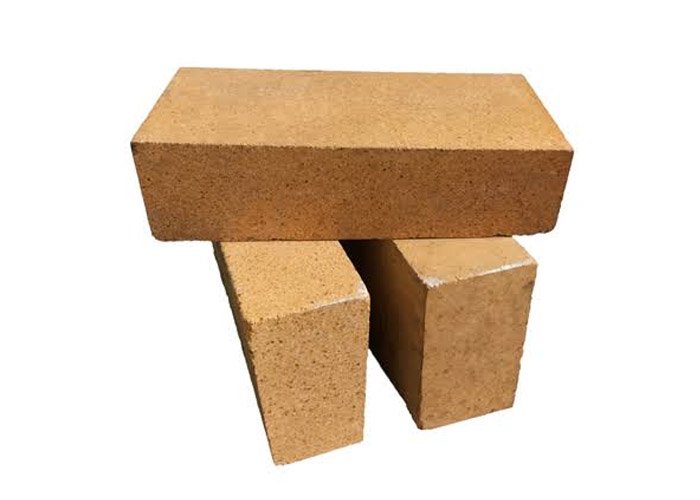
A pallet of refractory bricks sits in the warehouse. It arrived six months ago. The packing list says “store in a dry place,” but the warehouse has no climate control, and the rainy season just ended. Now a project needs those bricks. The question is simple: are they still usable?
The honest answer is: it depends on the brick type. There is no universal shelf life for refractory bricks, and treating them all the same way is how procurement teams end up either scrapping good material or installing compromised bricks into a furnace lining.
Buyers often ask suppliers for a shelf life figure as if refractory bricks were packaged food. That framing misses the point. What actually matters is the brick’s sensitivity to moisture during storage, and that varies dramatically by product type.
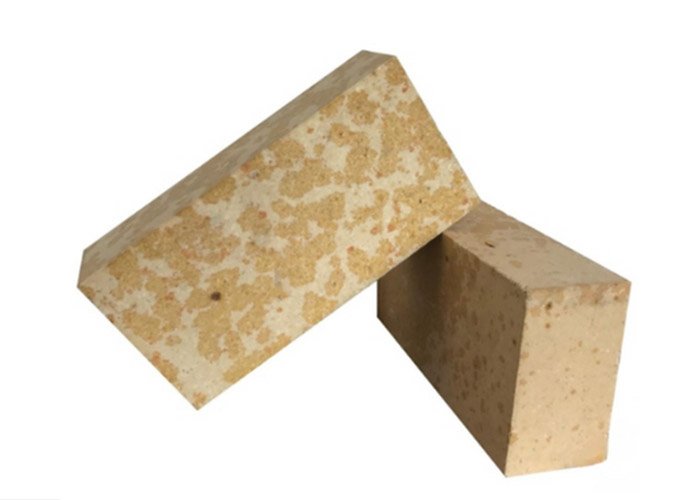
For most fired refractory bricks—high-alumina, fireclay, silica—the ceramic bond is already formed. Storage moisture does not chemically attack the brick body in the way it attacks unfired or chemically bonded products. A high-alumina brick stored in a dry warehouse for a year will typically perform the same as one shipped last month.
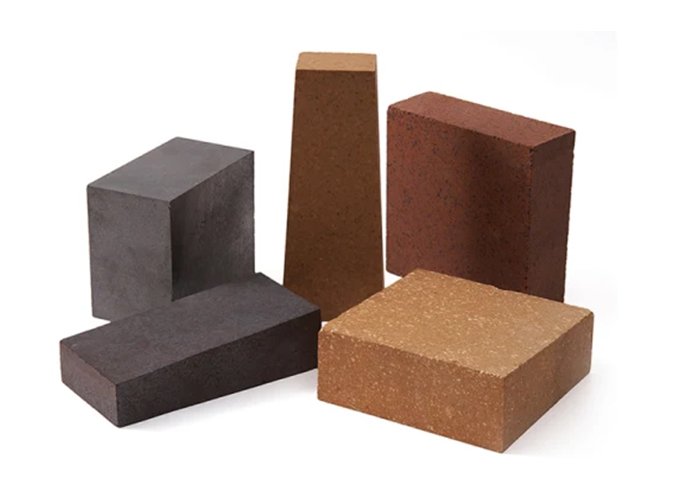
But for magnesia-based bricks and bricks containing free lime or hydratable bonds, moisture is not a minor concern. It is a destructive mechanism. Magnesia-spinel bricks kept for more than six months can react with water or moisture, resulting in cracks and loss of structural strength—to the point where the bricks cannot be used at all . Magnesia-carbon bricks are similarly vulnerable; moisture exposure causes hydration, and severe cases render the product scrap .
The procurement implication: the contract should specify storage conditions and maximum storage duration only for moisture-sensitive brick types. Requiring a “shelf life” clause for every refractory brick order adds paperwork without adding protection.
The technical literature on refractory hydration is clear about the mechanism but less precise about universal time limits.
Hydration is a chemical reaction, not a surface condition. When magnesia (MgO) or free lime (CaO) in a refractory brick contacts water or water vapor, it forms magnesium hydroxide or calcium hydroxide. This reaction is accompanied by volume expansion, which generates internal stress and leads to cracking and strength loss. The damage is not reversible by drying the brick out afterward.
Time limits from industry sources vary by product and condition. One refractory preservation method for free-lime-containing products states that freshly pressed articles can be stored for 25–30 days without altering basic properties, with heat-treated goods having a maximum storage period of not less than 3 months . General industry guidance for time-sensitive refractories suggests storage limits of no more than 3 months in humid environments and no more than 6 months in dry environments, with the explicit instruction that materials already damaged by moisture should be discarded rather than used .
Manufacturers have developed hydration-resistant products. A Thai refractory producer commercialized nano-technology-enhanced “Anti-Hydration Magnesia-Spinel Bricks” that can be stored for more than two years even in high-humidity areas while maintaining properties comparable to new bricks . This confirms that the six-month vulnerability window is a property of conventional formulations, not an inherent limitation of magnesia bricks.
Packaging matters more than ambient conditions for sensitive products. Patented packaging designs for hydratable refractory shapes use sealed envelopes with low vapor transmission rates—on the order of 0.01 to 0.6 grams of moisture per 100 square inches per 24 hours—to keep bricks out of contact with atmospheric moisture during shipping and storage . Desiccant-based packaging using calcium chloride or activated alumina has also been described for moisture-sensitive dolomitic bricks . The takeaway for buyers: if you are sourcing magnesia-based products, the packaging specification is not a detail—it is part of the product’s usable life.
Rule 1: Classify before you store. Separate incoming refractory bricks by type. Fired high-alumina, fireclay, and silica bricks can be stored in a covered, ventilated warehouse without special moisture controls. Magnesia bricks, magnesia-spinel bricks, magnesia-carbon bricks, and any product containing free lime or hydratable bonds require a dry, moisture-controlled environment with packaging kept intact until the moment of installation.
Rule 2: Record the clock. For moisture-sensitive products, note the production date and the date the packaging is opened. If the supplier’s technical data sheet specifies a maximum storage period, write that date on the pallet. If it does not, apply the conservative industry benchmark: 3 months from receipt in humid conditions, 6 months in dry conditions .
Rule 3: Inspect before you install. For magnesia-based bricks that have been in storage, look for:
Visible cracks, especially on edges and corners
Surface powdering or crumbling
Packaging that has been breached or shows signs of water ingress
Any discoloration or staining suggesting moisture contact
If any of these are present, do not install the bricks. Hydration damage is not cosmetic. A cracked magnesia brick in a furnace lining is a failure point waiting to happen.
Rule 4: Do not try to “dry out” compromised bricks. Drying a hydrated magnesia brick does not reverse the reaction. The cracks and strength loss remain. Industry guidance is explicit: materials that have deteriorated due to moisture should be discarded .
Rule 5: Specify packaging requirements in the purchase order. For moisture-sensitive products, require sealed moisture-barrier packaging with desiccant where appropriate. The cost of proper packaging is trivial compared to the cost of scrapping a pallet of magnesia bricks—or worse, installing them and suffering a premature lining failure.
Question 1: “For this magnesia-spinel brick, what is the maximum recommended storage period, and what packaging do you use to achieve it?” A supplier that answers with a specific timeframe and a description of the moisture barrier—sealed wrapping, desiccant, vapor transmission rate—understands the hydration problem. A supplier that says “just keep it dry” is not providing actionable information.
Question 2: “If we open the packaging and find surface cracking after three months in our warehouse, what is your position?” This question tests whether the supplier stands behind their packaging and storage recommendations. A serious supplier will reference the agreed storage conditions and offer technical assessment. A supplier that immediately blames the buyer’s warehouse without asking about conditions is not a partner in quality.
Question 3: “Can you supply this product in packaging suitable for extended storage, and at what cost premium?” For projects where installation is months after delivery, the ability to supply properly preserved bricks is a differentiator. Suppliers who can offer this are typically more technically engaged with their products.
About Beifang Alloy. As a ferroalloy factory, our core products are deoxidizers and alloy additives for steelmaking. Moisture sensitivity is not unique to refractories—ferroalloy products also require controlled storage for certain grades. If you have questions about storage and preservation in ferroalloy procurement, reach us at info@hnxyie.com.
There is no single answer to “how long do refractory bricks last.” For fired high-alumina and fireclay bricks, the answer is: longer than most projects take to schedule installation, provided the warehouse has a roof. For magnesia-based and hydratable products, the answer is: not long enough to be casual about it. The difference lies in chemistry, and the procurement response should be just as specific.
Beifang Alloy | Ferroalloy products and high-temperature materials sourcing
info@hnxyie.com | www.beifangalloy.com