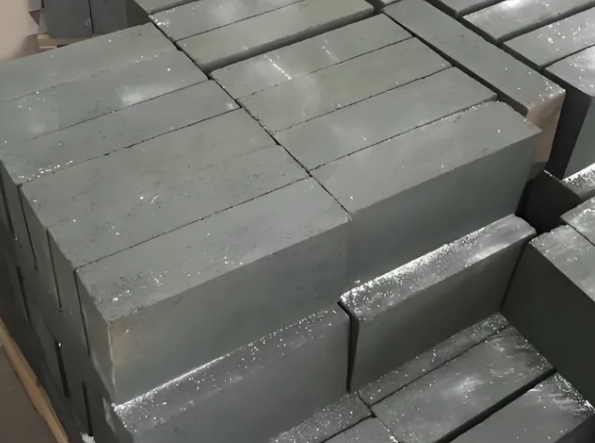
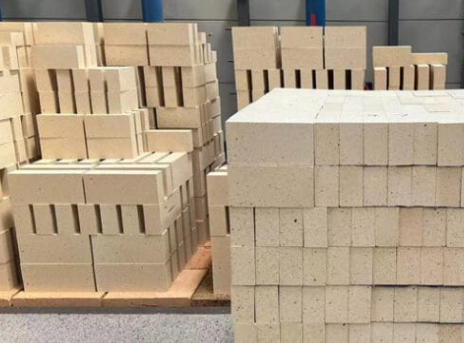
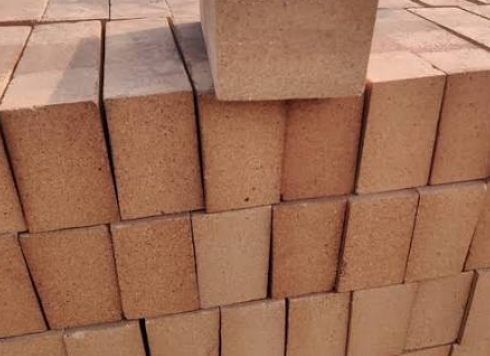
For ferroalloy plants, every shutdown and restart of a submerged arc furnace is a major test for the refractory brick lining. There is an old saying in the industry: “Refractory brick fears start-stop cycles the most.” Many procurement managers focus on cold crushing strength and Al₂O₃ content, yet overlook that the real killer of lining life often lies not in the brick itself, but in the temperature control and operating rhythm during shutdown and restart. This article examines the key points for protecting refractory linings during shutdown and restart from four perspectives: procurement needs, industry research, procurement guide, and supplier comparison—along with the critical indicators procurement teams should lock in advance.
When purchasing refractory bricks, most inquiries focus on Al₂O₃ content, bulk density, and refractoriness under load. These indicators matter, but for ferroalloy submerged arc furnaces that require frequent shutdown and restart, thermal shock resistance is the core parameter determining actual lining service life. Thermal shock resistance refers to a material’s ability to resist cracking and spalling under rapid temperature changes. During shutdown, the hot face of the lining cools rapidly; if the contraction rate is too fast, destructive stress builds up inside the brick. During restart, the hot face layer may spall along with the burden or slag. After several cycles, the brick position can even distort.
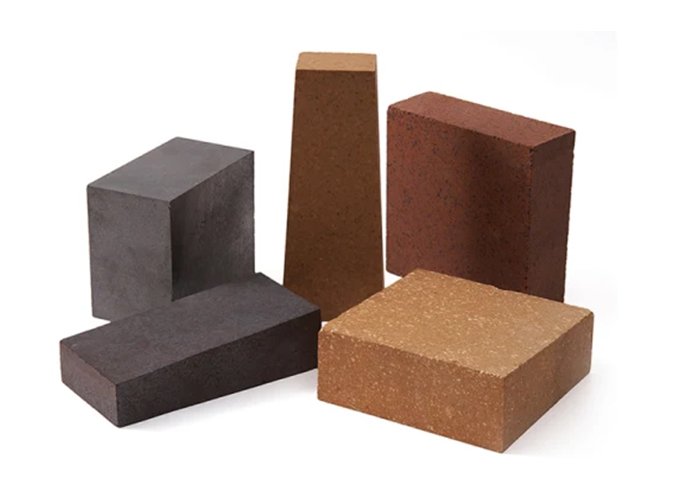
From the procurement side, technical agreements should explicitly require suppliers to provide thermal shock resistance test data (typically expressed as water quench cycles or air quench cycles), rather than relying solely on routine physical and chemical indicators. Requirements should also differ by furnace zone: the hearth and crucible area bears both melt penetration and thermal stress, demanding higher thermal shock resistance and corrosion resistance; the upper and middle furnace wall zones should prioritize refractoriness under load and reheat linear change. If buyers communicate “shutdown/restart frequency” as an operating condition during the inquiry stage, suppliers can recommend matching material solutions rather than simply pushing high-alumina or high-density products.
 |
 |
Damage to refractory bricks during shutdown and restart is essentially the combined effect of thermal stress and steam pressure. During shutdown, if the cooling rate is uncontrolled, the temperature gradient between the brick surface and interior widens rapidly, and when the tensile stress exceeds the brick’s bond strength, microcracks begin to initiate. The risk during restart is more concentrated in the moisture removal phase: newly installed or repaired linings contain free water and chemically bound water. If heating is too fast, moisture vaporizes inside the brick, and when steam cannot escape in time, pressure spikes and causes spalling or explosion.
Industry practice has established relatively mature response logic. Research indicates that during abnormal shutdown and slag tapping, maintaining furnace temperature above 850°C through burner insulation can keep the temperature differential experienced by refractory materials within a small range, thereby avoiding thermal stress damage. For rotary kiln-type equipment, post-maintenance baking schedules are designed hierarchically based on the amount of refractory replacement: minor repairs can use a 15-hour heating curve, while extensive replacement or castable installation requires a 20-hour-plus multi-plateau slow heating profile. The key is to set sufficient holding time in the low-temperature stage so that free water and crystalline water are released in an orderly manner. Although the thermal regime of ferroalloy submerged arc furnaces differs from rotary kilns, the underlying logic is the same: slow cooling during shutdown, slow heating during restart, keeping the temperature change rate within the window the brick can withstand. The significance for buyers is that when comparing suppliers, priority should go to manufacturers that can provide material recommendations or baking curve references specific to shutdown/restart conditions—not just traders selling bricks.
In procurement contracts and technical attachments, beyond routine physical and chemical acceptance clauses, we recommend adding technical support and quality traceability provisions related to shutdown and restart. Specifically, suppliers can be required to provide batch-specific thermal shock resistance test reports upon delivery, and the contract should state: if non-normal cracking or spalling occurs within the agreed shutdown/restart frequency due to inadequate thermal shock performance of the brick itself, the supplier shall bear corresponding replacement supply or technical service responsibility.
Another easily overlooked procurement step is storage and re-inspection of stocked bricks. Refractory bricks stored long-term in warehouses may absorb moisture, especially high-alumina and clay bricks. If not thoroughly dried before restart, substantial moisture is carried into the furnace, and even the most reasonable baking curve cannot prevent damage. Buyers should record batch numbers and storage dates upon receipt, and conduct sampling inspection on bricks stored beyond a certain period before restart to confirm residual moisture content is within controllable limits. Additionally, for critical zones such as the hearth and slag line, suppliers can be asked to provide pre-assembly numbering or brick pairing diagrams to reduce dimensional deviation during on-site bricklaying—uneven brick joints exacerbate localized thermal stress concentration.
When comparing refractory brick suppliers, price and routine physical and chemical indicators often show no significant gap. What truly differentiates them is depth of understanding of shutdown/restart conditions. Smelter-direct suppliers are typically familiar with their own raw materials and firing processes but may not invest effort in studying the customer’s furnace type and operating rhythm. Traders have advantages in specification matching and delivery flexibility but struggle to provide substantive thermal shock selection advice.
Based on Beifang Alloy’s experience serving ferroalloy customers, suppliers worth prioritizing should have two characteristics: first, in-house testing capability and willingness to share thermal shock resistance data, rather than issuing only routine Al₂O₃ and bulk density reports; second, the ability to provide bricklaying or baking reference recommendations based on the customer’s shutdown/restart plan—even a simplified heating rate recommendation table demonstrates that the technical team has practical understanding of non-steady-state conditions. Before first cooperation, ask suppliers for supply cases involving similar submerged arc furnaces or high-temperature furnaces, and specifically inquire about their re-inspection records after customer shutdown maintenance. A supplier willing to discuss “how long the brick lasted and how it failed” is worth deeper engagement than one that only emphasizes “how high the indicators are.”
About Beifang Alloy: Drawing on our production and procurement experience in ferroalloy plants, we provide industry customers with refractory material selection references and supply chain support. To discuss lining material solutions for submerged arc furnaces or obtain product technical data, please visit www.beifangalloy.com or contact us at info@hnxyie.com.