In the competitive world of steel and foundry production, every input is scrutinized for cost and performance. For procurement managers and metallurgists, carbon additives are often viewed as a commodity—a necessary cost to be minimized. But is this short-term saving costing you more in the long run?
At Beifang Alloy, a leading ferroalloy manufacturer, we understand that true value isn’t just about the price per ton. It’s about the total impact on your production efficiency, final product quality, and overall profitability. Upgrading to a premium, high-absorption carbon additive represents a strategic investment, not just a line-item expense.
Let’s break down the real Return on Investment (ROI) by examining procurement needs, industry trends, and how to select the right partner.
Your procurement decisions are driven by complex pressures:
Cost Control: Meeting strict budget targets.
Quality Consistency: Ensuring predictable and reliable steel/smelting outcomes.
Yield Optimization: Maximizing carbon recovery to reduce overall consumption.
Operational Efficiency: Minimizing slag volume, reducing furnace cycle time, and lowering energy consumption.
Sustainability Goals: Reducing overall carbon footprint and waste by-products.
A standard carbon additive might seem to solve the first challenge (cost), but often at the expense of the other four. The real ROI calculation must include these hidden costs and benefits.
The global steel and foundry industry is undergoing a profound transformation. With margins under pressure and quality standards rising, the focus is shifting from bulk consumption to precision addition.
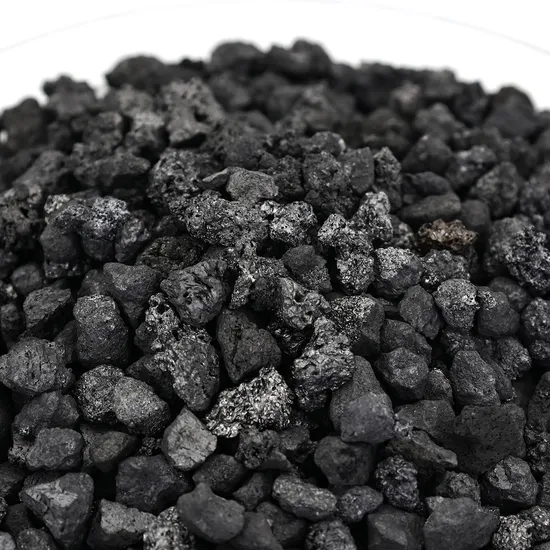
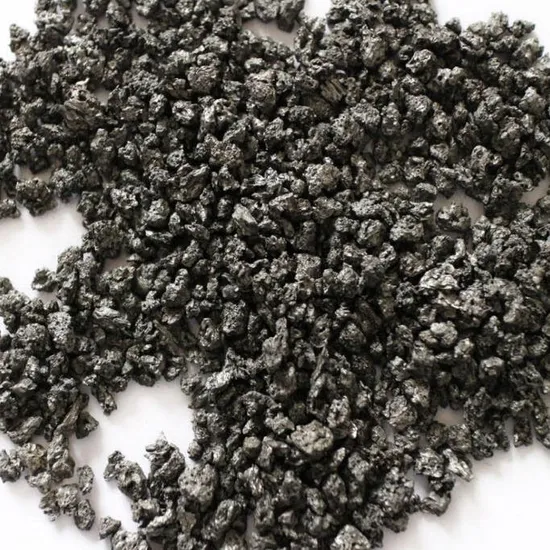
High Absorption Rates: Premium additives like specially calcined petroleum coke (CPC) or graphite offer carbon recovery rates of 90-95%+, compared to 70-85% for lower-grade materials. This means significantly less additive is needed to achieve the same carburizing effect.
Purity Matters: Low sulfur, ash, and volatile matter directly translate to cleaner melts, reduced slag formation, less refractory wear, and higher-quality end products with superior mechanical properties.
Data-Driven Production: Modern mills require materials with consistent chemical and physical properties to automate and optimize processes. Inconsistency is the enemy of efficiency.
Moving beyond price-per-ton requires a new evaluation framework. Ask these questions:
Calculate Effective Carbon Yield:
(Carbon Content % x Absorption Rate %) / Price per Ton
This metric often reveals that the “cheaper” option has a higher effective cost per unit of carbon delivered to your melt.
Audit the Hidden Costs: Quantify the impact on:
Energy Consumption: Faster, more efficient carburization reduces power-on time.
Refractory Life: Low-ash additives cause less corrosive slag, extending lining lifespan.
Slag Handling & Disposal: Less slag volume means lower disposal costs and environmental fees.
Product Rejection Rates: Improved quality consistency reduces costly downgrades or returns.
Demand Technical Data: Require suppliers to provide certified analysis for Fixed Carbon, Sulfur, Ash, and Volatiles, not just a generic spec sheet. Insist on batch consistency reports.
Test in Your Process: Partner with a supplier willing to conduct a controlled trial to measure real-world consumption, efficiency gains, and quality improvements.
Choosing a supplier is the most critical step in unlocking ROI. The difference between a vendor and a partner is profound.
| Criteria | Traditional Vendor | Strategic Partner (Like Beifang Alloy) |
|---|---|---|
| Focus | Transactional; selling a commodity. | Collaborative; optimizing your total process cost. |
| Value Proposition | Lowest upfront price. | Highest long-term value and cost-in-use. |
| Technical Support | Limited to standard specs. | In-depth metallurgical support, custom solutions, and trial analysis. |
| Product Consistency | Can vary, requiring frequent adjustments. | Guaranteed batch-to-batch consistency for stable operations. |
| Supply Chain Reliability | May have logistical bottlenecks. | Integrated control from raw material to finished product, ensuring stable supply. |
| ROI Approach | Not discussed. | Jointly calculated and demonstrated through your key performance indicators. |
At Beifang Alloy, we don’t just supply premium high-absorption carbon additives; we deliver predictable performance. Our vertically integrated manufacturing allows us to control every stage of production, ensuring the purity, consistency, and high absorption rates that modern, efficient foundries and steel mills require.
The real ROI isn’t found on an invoice. It’s found in your furnace efficiency, your product quality ledger, and your bottom line. It’s measured in reduced total cost per ton of steel produced, not just the cost per ton of additive purchased.
Ready to calculate your real ROI?
Contact our technical team today at info@hnxyie.com to discuss a tailored analysis or schedule a trial. Let’s transform your carbon addition from a cost center into a strategic advantage.
Beifang Alloy – Forging Quality, Empowering Your Process.
www.beifangalloy.com