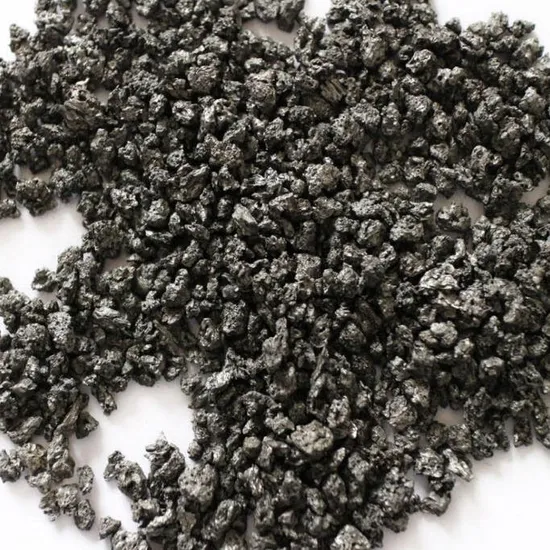
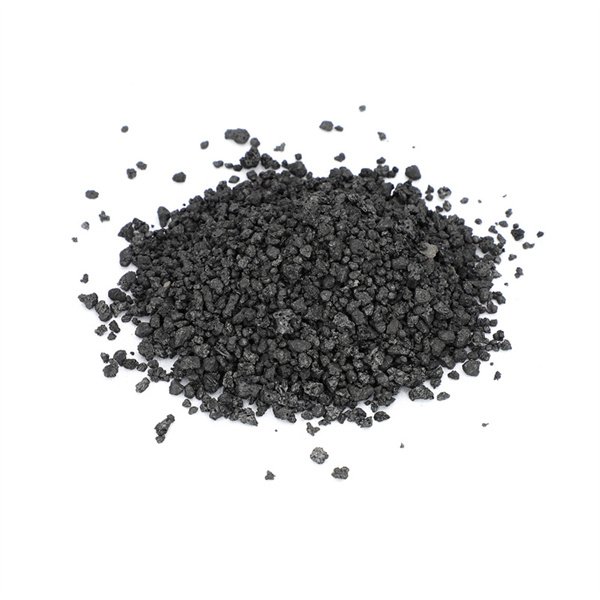
For steel and foundry professionals, the procurement of ferroalloys and additives like carbon raisers is often driven by a key metric: price per ton. While budget management is critical, an exclusive focus on the “sticker price” can be a costly strategic error. A substandard carbon raiser doesn’t just underperform; it actively generates a cascade of hidden costs that erode profitability, compromise product quality, and disrupt operations.
This article delves into the true cost of poor-quality carbon raisers, moving beyond initial purchase price to examine their impact on your entire production process. We will explore the evolving procurement needs of modern metallurgy, ground our discussion in current industry research, provide a actionable procurement guide, and outline a framework for effective supplier comparison. As a leading producer committed to precision and reliability, Beifang Alloy aims to equip you with the knowledge to make sourcing decisions that truly optimize your bottom line.
Today’s procurement strategy must look beyond basic chemical specification. The modern furnace environment demands additives that deliver predictable, efficient, and clean performance. A poor-quality carbon raiser fails on multiple fronts, creating new and urgent procurement needs for problem-solving:
Need for Predictable Yield and Recovery: Inconsistent carbon content or high levels of impurities lead to unpredictable recovery rates. This forces operators to over-dose to meet target carbon specifications, nullifying any initial price savings and increasing variable costs.
Need for Operational Stability: High moisture or volatile matter can cause dangerous pops and explosions in the furnace, risking equipment and operator safety. It also introduces hydrogen, which can lead to porosity defects in the final steel or casting.
Need for Purity and Final Product Integrity: Impurities like Sulfur (S), Phosphorus (P), and Nitrogen (N) from low-grade carbon carriers directly contaminate the molten metal. Removing these elements later requires additional, expensive refining agents and lengthens tap-to-tap time, driving up costs.
Need for Efficiency and Sustainability: A product with low fixed carbon means you are paying to ship and melt inert material. This wastes energy, reduces furnace throughput, and increases your specific energy consumption (SEC) per ton—a key metric in an energy-intensive industry.
Academic and industrial research consistently validates that the quality of recarburizers has a direct, measurable impact on overall cost and quality. Key findings include:
The Slag and Refining Cost Multiplier: Studies show that high-ash carbon raisers significantly increase slag volume. Each extra kilogram of slag represents lost heat, wasted fluxing agents (like lime), and increased refractory wear. The cost of managing this unnecessary byproduct can exceed the initial “savings” from a cheap additive.
The Yield Consistency Premium: Research in foundry operations demonstrates that using high-purity, low-nitrogen graphitic carbons improves carbon recovery predictability to within ±0.05%. This precision reduces casting scrap rates due to off-spec hardness or strength, directly saving thousands per heat.
The Environmental and Regulatory Cost: Low-quality materials often have higher emissions profiles (e.g., SOx). As global environmental regulations tighten (e.g., China’s ultra-low emissions standards for the steel industry), using “dirty” additives can lead to non-compliance risks, potential fines, and increased costs for off-gas treatment.
To avoid hidden costs, shift your procurement focus from price to Total Cost of Ownership (TCO). Use this checklist to evaluate carbon raisers:
Demand Full Certification & Consistent Data: Require a detailed Material Safety Data Sheet (MSDS) and certified mill test reports for every batch. Key specs to lock down: Fixed Carbon (min. %), Sulfur (max. %), Ash (max. %), Moisture (max. %), and Nitrogen (max. %).
Calculate the “Effective Carbon Cost”:
Effective Cost = (Price per Ton) / (Fixed Carbon %)
A cheaper product with 85% fixed carbon may have a higher effective cost than a premium product with 98% fixed carbon. Factor in typical recovery rates for an even more accurate picture.
Audit the Supply Chain for Stability: Inquire about the raw material source and manufacturing process. A supplier using consistent, high-purity raw materials (e.g., petroleum coke vs. coal tar pitch) and controlled graphitization will produce a more reliable product.
Request a Trial and Measure Holistically: Move beyond lab specs. Conduct a controlled production trial and measure: carbon recovery efficiency, impact on slag volume, effect on tap-to-tap time, and consistency of final product analysis.
When comparing suppliers like Beifang Alloy to others, evaluate these critical differentiators:
| Comparison Factor | Low-Cost / Generic Supplier | Technical / Value-Added Supplier (e.g., Beifang Alloy) |
|---|---|---|
| Primary Focus | Selling a commodity at the lowest price. | Delivering a engineered solution for optimal TCO. |
| Specification Consistency | May vary batch-to-batch; certificates might be generic. | Rigorous batch-to-battery consistency with traceable, certified data for every delivery. |
| Technical Support | Limited to basic logistics. | Offers in-depth metallurgical support, trial design, and troubleshooting for yield optimization. |
| Product Range & Customization | One or few standard grades. | A portfolio of grades (e.g., calcined petroleum coke, graphitized) and ability to tailor sizes or specs for your specific process (EAF, induction furnace, ladle treatment). |
| Value Proposition | Low initial purchase price. | Lower total cost of production through predictable yields, reduced slag, less rework, and higher final product quality. |
In the high-stakes environment of metallurgy, the true cost of a input material is measured not at the point of purchase, but at the point of performance. A poor carbon raiser is a hidden tax on your efficiency, quality, and operational safety.
By redefining procurement needs around predictability and purity, leveraging industry research, adopting a TCO-focused procurement guide, and comparing suppliers on technical value, you can turn a routine purchasing decision into a strategic lever for profitability.
At Beifang Alloy, we engineer our carbon raisers to be the solution, not the problem. We invite you to move beyond the sticker price and begin a conversation about how our consistent, high-purity products and technical partnership can help you eliminate hidden costs and achieve a more predictable, profitable melt.
Ready to calculate your true cost? Contact our metallurgical team at info@hnxyie.com to discuss your specific process and request product samples and data sheets.