A Beifang Alloy Technical Analysis for Steel and Foundry Professionals
For quality managers and procurement specialists in the steel and foundry industries, inconsistent hardness readings are more than an annoyance—they are a direct threat to product integrity, customer satisfaction, and profitability. While many factors are scrutinized, one critical element often flies under the radar: the quality and consistency of your carbon raiser.
At Beifang Alloy, with decades of experience as a leading ferroalloy producer, we’ve identified that variations in carbon raiser properties are a frequent, hidden culprit behind unpredictable hardness outcomes. This article explores the issue from procurement needs to supplier selection, providing a guide to secure the metallurgical consistency your process demands.
The primary need in procuring carbon raiser is often framed as: “Add carbon at the lowest cost per unit.” This mindset is the root of the inconsistency problem. True procurement needs should be redefined as:
Metallurgical Precision: The carbon raiser must deliver a predictable, efficient carbon yield to achieve the target carbon content consistently.
Process Stability: The material must have consistent sizing, low moisture, and low ash content to ensure smooth melting, minimize slag, and reduce variability in the furnace.
Traceability & Documentation: Reliable suppliers provide detailed batch analysis, allowing you to correlate material properties with your final hardness results.
Total Cost of Operation (TCO): A slightly higher upfront cost for a premium, consistent product often saves vastly more by reducing scrap, re-melts, energy waste, and quality rejections.
The Hidden Cost: A low-quality carbon raiser with inconsistent fixed carbon, high sulfur, or variable moisture leads to fluctuating carbon recovery. This forces your operators into corrective actions that can introduce new variables, creating a cycle of inconsistency that directly manifests in unpredictable hardness.
The carbon raiser market is broad, with products ranging from premium calcined petroleum coke (CPC) and graphitized materials to more variable calcined anthracite coal and natural graphite. Our industry research indicates a significant performance gap:
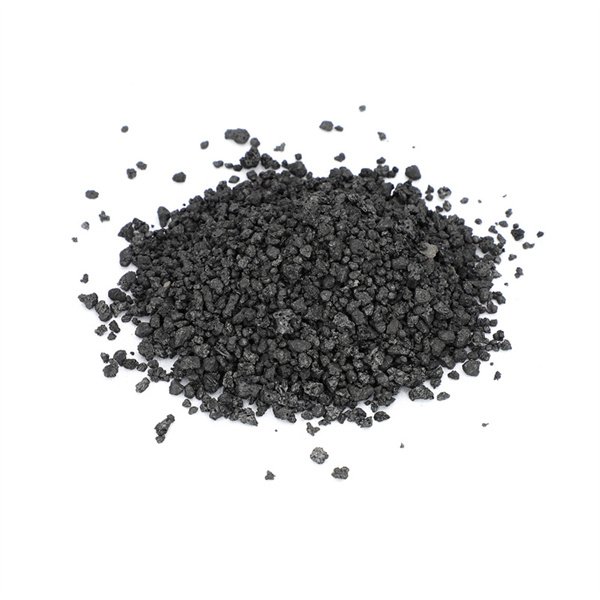
High-Quality CPC: Offers high fixed carbon (99%+), extremely low sulfur and ash, and superb consistency. It provides stable, predictable carbon addition, making it the preferred choice for high-grade steel and critical casting applications.
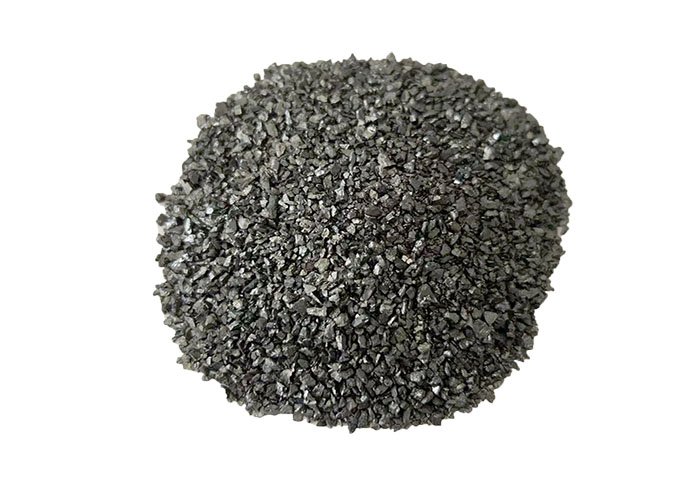
Variable Low-Cost Alternatives: Materials like low-grade calcined anthracite can have wider swings in fixed carbon (90-97%), higher ash and sulfur content, and variable moisture. These impurities not only affect carbon yield but also introduce elements that can interfere with the alloying balance and nucleation process, directly impacting microstructure and hardness.
The research is clear: inconsistent input chemistry creates inconsistent output properties. Hardness is a direct function of the final microstructure, which is acutely sensitive to the precise carbon content achieved during melting.
To eliminate carbon raiser as a variable, your procurement specifications must be rigorous. Use this checklist:
Key Specifications to Mandate:
Fixed Carbon: Demand a tight range (e.g., 98.5% min, not simply “>95%”). This is non-negotiable.
Sulfur & Ash Content: Set low maximum limits. High sulfur is particularly detrimental to ductility and can complicate hardening.
Moisture: Specify a very low max moisture content (e.g., 0.5%) to prevent hydrogen pickup and energy waste.
Particle Size Distribution: Specify the sizing range (e.g., 1-5mm) and demand consistency to ensure uniform dissolution.
Demand Certification: Insist on a Material Data Sheet (MDS) with batch-specific chemical and physical analysis for every delivery.
Audit the Process: Prefer suppliers who control their production from raw material to final sizing, ensuring traceability at every step.
Choosing a supplier is choosing a partner in your quality control. Here’s how to evaluate them:
| Feature | Average/Low-Cost Supplier | Beifang Alloy (A Quality-Focused Partner) |
|---|---|---|
| Quality Focus | Often prioritizes price over batch-to-batch consistency. | Engineers consistency. Our core mission is to deliver metallurgically predictable materials. |
| Production Control | May rely on blended or sourced materials of variable origin. | Vertical integration. We control key stages of production, allowing strict quality gates and full traceability. |
| Technical Data | May provide generic certificates or irregular testing. | Batch-specific analysis. You receive precise data for every shipment, enabling perfect correlation with your furnace logs. |
| Technical Support | Limited to transactional communication. | Proactive partnership. Our metallurgical experts can help you troubleshoot inconsistencies and optimize your addition practice. |
| Value Proposition | Lowest initial price. | Lowest total operating cost through reduced variability, fewer defects, and guaranteed performance. |
Inconsistent hardness readings are a symptom of process variation. By recognizing carbon raiser quality as a potential cause, you take a major step toward solving the problem.
The solution lies in shifting your procurement strategy from a commodity purchase to a precision sourcing exercise. By demanding higher specifications, documented consistency, and partnering with a technically proficient supplier like Beifang Alloy, you transform carbon addition from a hidden risk into a pillar of your quality assurance.
Eliminate the hidden variable.
Contact Beifang Alloy today to discuss how our precision carbon raisers can bring stability to your melting process and consistency to your hardness readings. Request samples with full certification and experience the difference that engineered consistency makes.
Beifang Alloy – Your Partner in Metallurgical Precision
www.beifangalloy.com | info@hnxyie.com