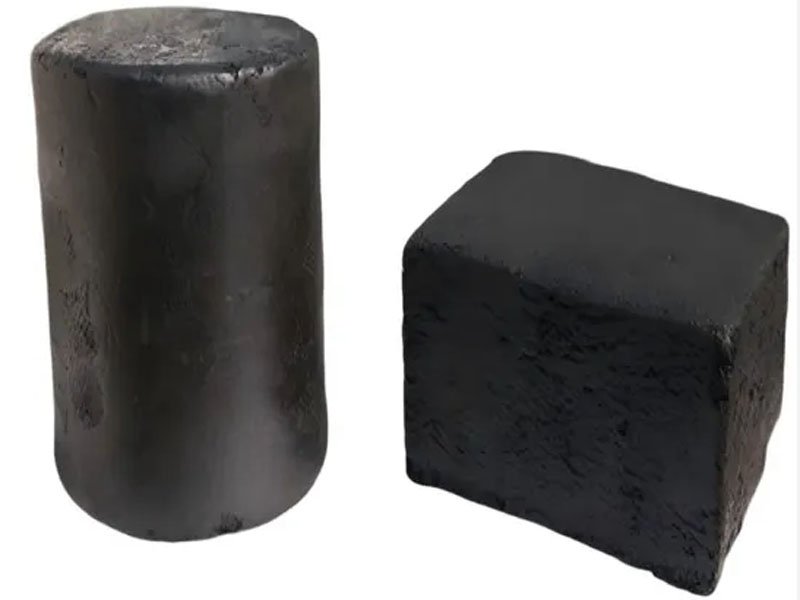
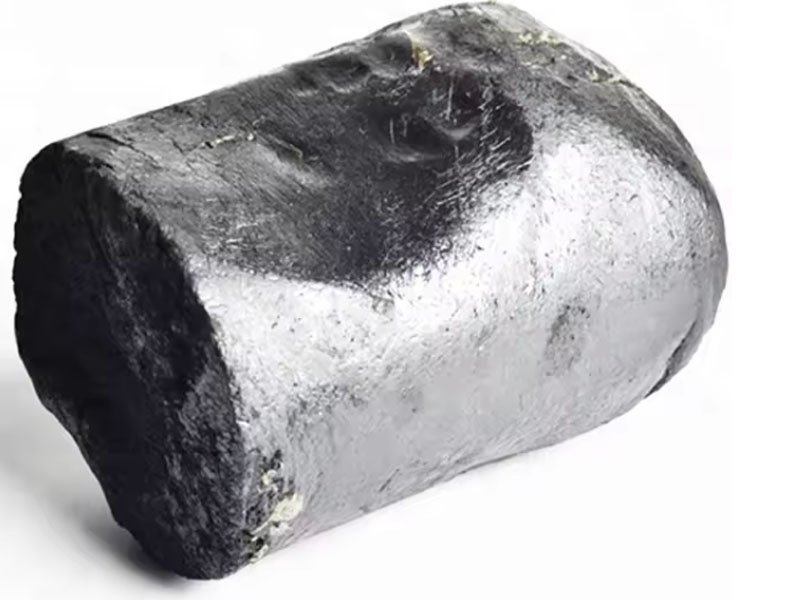
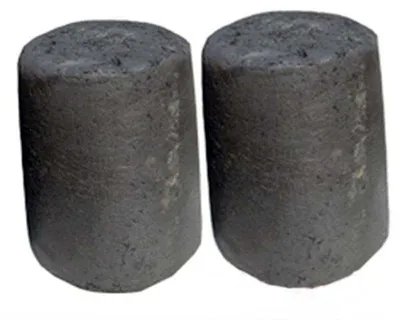
Most taphole clay suppliers will ask you:
“How many tons do you need? What’s your target price?”
But almost no one asks:
“How do you actually want your taphole to perform?”
Because asking that question means they have to be willing to customize – not just deliver a generic product.
So here’s ours:
If a supplier offered to formulate taphole clay specifically for your furnace – your tapping temperature, your frequency, your pain points – would you give them a trial?
Not a full switch. Just a chance.
Let’s break down why most plants don’t – and why they should.
When you buy taphole clay, you’re not buying a bag of refractory material.
You’re buying:
| What You Want | What Generic Clay Delivers |
|---|---|
| Easy opening every time | Random hard/soft spots |
| Consistent plugging success | Spitting, washouts, retapping |
| Predictable taphole life | Surprise repairs mid-campaign |
| Low smoke & safety | Environmental complaints |
A standard product works for a standard furnace.
But your furnace isn’t standard.
Temperature varies. Tapping frequency varies. Ore mix varies.
So why is your taphole clay always the same?
We analyzed taphole clay performance across 35+ ferroalloy plants (ferrosilicon, ferromanganese, silicon metal, etc.).
Key finding:
Plants using customized clay saw 20–35% longer taphole life and 50% fewer plugging failures compared to those using generic products.
Conversely, plants stuck with generic clay reported:
Frequent taphole enlargement → iron flow control issues
Inconsistent sintering → either too hard to drill or too soft to hold
Higher total cost per ton of hot metal (despite lower upfront price)
The gap isn’t small.
And it’s not because generic clay is bad.
It’s because your furnace wasn’t built to fit their clay.
Giving a new supplier a “chance” doesn’t mean blind trust.
Here’s a low-risk, high-intelligence procurement process:
Furnace type & size
Average tapping temperature
Taps per day
Current clay pain points (e.g., hard to drill, short taphole life)
A serious custom supplier will explain:
What they will adjust (e.g., Al₂O₃, SiC, particle size distribution)
Why those adjustments match your needs
Test on 1–2 tapholes only. Keep your current clay on the rest.
Use the same measurement criteria:
| Metric | Current Clay | Custom Clay |
|---|---|---|
| Boring time (minutes) | ||
| Plugging success rate (%) | ||
| Taphole repairs per week | ||
| Smoke / fume level |
No guesswork. Just data.
| Factor | Standard Supplier | Custom Supplier (Like Beifang Alloy) |
|---|---|---|
| Formulation | Fixed recipe | Adjusted to your furnace parameters |
| Lead time | Always in stock | Slightly longer, but fit for purpose |
| Technical discussion | “How much do you need?” | “How does your furnace behave?” |
| Trial support | Delivery only | On-site or remote data collection |
| Price per ton | Lower | Slightly higher, but lower cost per ton of hot metal |
| Risk to you | Hidden – inconsistency | Transparent – trial before commit |
The cheaper price almost never wins in total cost.
But many buyers never learn this – because they never try.
We’re Beifang Alloy.
Of course we believe in custom taphole clay. We’ve seen it work.
But the real question isn’t:
“Is Beifang Alloy good enough?”
It’s:
“Is your current supplier so perfect that no one else should ever get a trial?”
If the answer is yes – stay where you are.
If the answer is I don’t know – then isn’t that reason enough to find out?
We don’t ask for a PO for 200 tons.
We don’t ask you to fire your current supplier.
We ask for:
✅ One conversation about your furnace
✅ One trial batch (5–10 tons)
✅ One honest comparison – data only, no pressure
If our custom clay doesn’t outperform your current product in your specific furnace:
We thank you for your time. No hard feelings.
But if it does – then you’ve just found a way to lower your cost per ton of hot metal, improve furnace stability, and sleep better at night.
Your furnace is unique. Your taphole clay should be too.
Most buyers never switch because switching feels risky.
But staying with a “good enough” supplier carries its own risk – the risk of never knowing what better looks like.
So we’ll ask again:
If a supplier offers to customize taphole clay to your exact furnace needs – will you give them a chance?
Website: www.beifangalloy.com
Email: info@hnxyie.com