In the dynamic world of modern metallurgy, synthetic iron melting has emerged as a sophisticated alternative to traditional blast furnace routes, offering foundries unprecedented control over iron composition and properties. At the heart of this process lies a critical materials dilemma: in the intricate dance of elements that transforms raw materials into high-quality iron, which component carries more weight—carbon raiser or pig iron? For foundries navigating cost pressures, quality demands, and supply chain uncertainties, this isn’t merely an academic question but a practical decision with significant operational and financial implications.
As Beifang Alloy, with our deep expertise in ferroalloy production and supply chain management, we recognize that both materials serve indispensable yet fundamentally different roles. Pig iron provides the metallic foundation—the bulk iron units—while carbon raiser delivers the essential carbon content required for achieving desired metallurgical characteristics. The question of relative importance depends entirely on your specific production context, quality requirements, and economic constraints. This article examines both materials through four critical lenses: procurement needs, industry research, procurement guidance, and supplier comparison, providing foundry managers with a framework for making informed decisions.
In synthetic iron melting, scrap steel typically forms the base material (70-90%), but it lacks sufficient carbon for proper cast iron formation. Here, both pig iron and carbon raiser play complementary but distinct roles:
Pig Iron’s Role: Introduces primary iron units with consistent, known carbon content (typically 3.5-4.5%). It provides a reliable foundation of carbon and silicon while diluting residual elements from scrap (copper, tin, chromium) that can negatively impact casting properties.
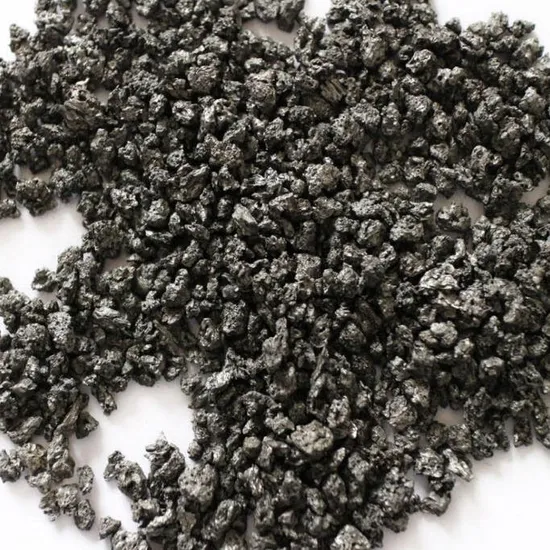
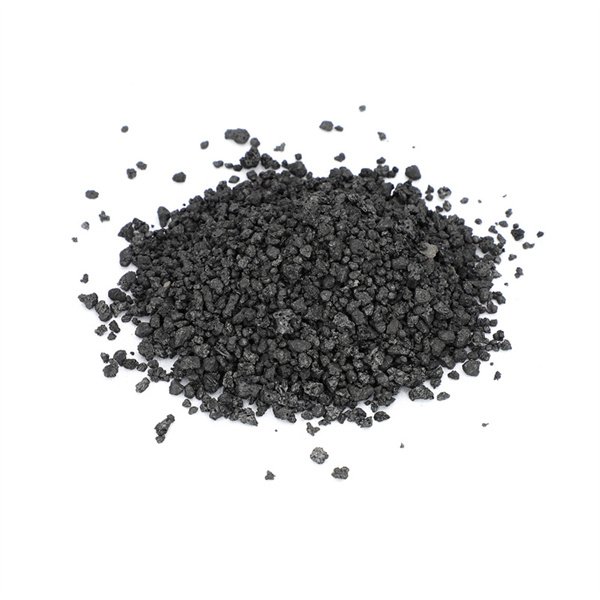
Carbon Raiser’s Role: Primarily increases carbon content without significantly altering other elemental compositions. Different forms (calcined petroleum coke, graphite, anthracite coal) offer varying carbon efficiency, absorption rates, and sulfur contributions.
| Production Scenario | More Critical Material | Rationale |
|---|---|---|
| High-quality ductile iron production | Carbon Raiser | Low-sulfur requirements (<0.02%) make high-purity graphite or specialized coke essential; pig iron’s sulfur contribution can be problematic |
| High-volume gray iron with cost focus | Pig Iron | Consistent composition reduces process variability; higher pig iron percentages (20-30%) stabilize chemistry with less monitoring |
| Scrap-based operations with variable inputs | Carbon Raiser | Adjusts carbon to compensate for scrap fluctuations; provides flexibility in maintaining specifications |
| Thin-section castings requiring precise control | Carbon Raiser | Enables fine-tuning of carbon equivalent without significantly changing metallic composition |
| Operations with limited metallurgical control | Pig Iron | Provides predictable, consistent baseline chemistry requiring less adjustment during melting |
The procurement priority shifts based on your foundry’s specific context. Operations emphasizing cost control with moderate quality demands may prioritize pig iron for its stabilizing influence, while foundries producing specialized, high-value castings with stringent specifications often find carbon raiser more critical for its precise adjustability.
Recent industry analyses reveal transformative trends affecting both pig iron and carbon raiser markets:
Pig Iron Volatility: Global pig iron markets have experienced significant fluctuations, with prices showing 30-40% annual volatility in recent years due to raw material (iron ore, coking coal) price changes, environmental regulations in producing countries (notably China’s emission reduction policies), and geopolitical factors affecting major exporters (Russia, Ukraine, Brazil). This volatility has forced foundries to reconsider their reliance on pig iron as a primary charge material.
Carbon Raiser Evolution: The carbon raiser sector has undergone technological differentiation, with traditional materials like anthracite being supplemented by engineered products including:
Low-sulfur calcined petroleum coke (<0.5% S)
Synthetic graphite (98-99.5% C)
Specialty graphitized materials with enhanced absorption rates
Bio-carbon alternatives from renewable sources
Modern melting practices and quality requirements are shifting the balance between these materials:
Advanced Scrap Preparation: Improved sorting and processing technologies have increased scrap consistency, reducing the need for pig iron as a “clean” iron source and potentially increasing reliance on carbon raiser to adjust final chemistry.
Spectroscopic Process Control: Real-time chemical analysis allows precise carbon adjustments during melting, enhancing the value proposition of carbon raiser for its rapid response capabilities compared to pig iron’s fixed composition.
Environmental Regulations: Stricter emission standards worldwide, particularly regarding sulfur oxides, are driving adoption of low-sulfur carbon raisers over high-sulfur pig iron in many regions.
Forward-thinking foundries evaluate these materials through a total cost perspective rather than simple per-ton comparisons:
| Cost Factor | Pig Iron Dominant Approach | Carbon Raiser Intensive Approach |
|---|---|---|
| Material Costs | Higher metallic unit cost | Lower base material cost (scrap + carbon) |
| Process Control Costs | Lower (stable chemistry) | Higher (more frequent adjustments needed) |
| Quality Rejection Risk | Lower for standard grades | Higher without precise control |
| Flexibility Value | Lower (fixed composition) | Higher (adjustable to multiple specifications) |
| Inventory Carrying Cost | Higher (more capital tied up) | Lower (scrap widely available) |
Industry data suggests that while pig iron-heavy approaches may show advantages in stable, high-volume production of standardized products, carbon raiser-focused strategies offer superior adaptability in markets requiring frequent specification changes or facing volatile scrap availability.
Develop a systematic approach to determining the appropriate balance between pig iron and carbon raiser:
Analyze Your Product Mix: Catalogue your production by iron grade, section thickness, and quality requirements. Thin-section castings (<10mm) generally benefit from higher carbon raiser adjustability, while heavy sections may tolerate more pig iron consistency.
Assess Your Scrap Stream: Conduct a detailed analysis of your scrap composition and variability. Higher scrap consistency allows reduced pig iron percentages (as low as 10-15% of charge), while unpredictable scrap necessitates more pig iron (25-40%) for chemistry stabilization.
Calculate Carbon Balance: Determine the carbon contribution from all charge materials:
Total Carbon Needed = Target % × Melt Weight
Scrap Carbon Contribution = Scrap Weight × Scrap Carbon %
Pig Iron Carbon Contribution = Pig Iron Weight × Pig Iron Carbon %
Carbon Raiser Required = (Total Carbon Needed - Scrap Contribution - Pig Iron Contribution) / Carbon Raiser Efficiency %
Evaluate Sulfur Constraints: Calculate total sulfur intake considering pig iron typically contains 0.02-0.05% S, while premium carbon raisers contain <0.5% S. For low-sulfur requirements (<0.02% in ductile iron), every material’s sulfur contribution becomes critical.
When procuring either material, insist on these specifications:
For Pig Iron:
Carbon content: 3.8-4.5% (specify your range)
Silicon content: 0.5-2.5% (aligns with your needs)
Sulfur maximum: <0.05% for most applications, <0.02% for ductile iron
Phosphorus maximum: <0.1% for high-quality applications
Size distribution: 40-100mm for optimal melting
Trace elements: Low levels of detrimental elements (Pb, Sn, As, Sb, Bi)
For Carbon Raiser:
Fixed carbon: >95% for standard applications, >98% for premium applications
Sulfur content: <0.5% for general use, <0.1% for demanding applications
Ash content: <5% for optimal efficiency
Volatile matter: <2% for calcined materials
Nitrogen content: <300ppm for preventing gas defects
Moisture: <1% to prevent hydrogen pickup
Particle size: Match to your melting practice (finer for faster dissolution)
Dual-Source Critical Materials: Maintain relationships with at least two qualified suppliers for both pig iron and carbon raiser to ensure supply continuity.
Implement Quality Audits: Regularly test incoming materials rather than relying solely on certificates of analysis. Spot-check critical parameters monthly.
Negotiate Index-Based Pricing: For pig iron, consider pricing tied to established indices (iron ore, steel scrap) with quarterly adjustments rather than fixed annual prices given market volatility.
Optimize Inventory Levels: Maintain higher inventory of your “more critical” material (based on your assessment), with just-in-time delivery for the less critical component.
Technical Collaboration: Partner with suppliers who offer technical support, not just materials. The right supplier should help optimize your usage patterns and troubleshoot quality issues.
Choosing between suppliers requires a multifaceted assessment beyond simple price comparison:
| Evaluation Dimension | Pig Iron Suppliers | Carbon Raiser Suppliers |
|---|---|---|
| Critical Quality Parameters | Consistency of composition (C, Si, S, P), Trace element control | Fixed carbon content, Sulfur levels, Ash content, Moisture control |
| Reliability Indicators | Blast furnace operational stability, Inventory levels, Shipping logistics | Raw material sourcing security, Production process control, Quality certification |
| Technical Support Value | Melt optimization advice, Trace element impact guidance | Carbon recovery optimization, Dissolution rate testing, Custom sizing options |
| Cost Structure Drivers | Iron ore/coke prices, Energy costs, Environmental compliance expenses | Petroleum coke/graphite prices, Calcining energy costs, Processing technology |
| Risk Factors | Geopolitical issues in producing regions, Environmental shutdown risks, Transportation disruptions | Raw material quality variability, Processing consistency, Contamination risks |
As experienced participants in the ferroalloy industry, we at Beifang Alloy recognize that the most successful foundries don’t view pig iron and carbon raiser as competitors but as complementary elements in a sophisticated metallurgical system. The question isn’t which material is universally more critical, but rather:
“Which material is more critical for achieving my specific quality, cost, and operational objectives given my unique production context?”
The answer varies by foundry, by product line, and even by production run. Foundries producing engine blocks may prioritize pig iron’s consistency, while those manufacturing specialized automotive components might find carbon raiser’s adjustability more valuable.
We recommend an integrated approach that considers:
Product Portfolio Analysis: Segment your production by quality requirements and determine the optimal pig iron/carbon raiser ratio for each segment.
Dynamic Adjustment Protocol: Develop procedures for adjusting the balance based on scrap availability, price fluctuations, and changing customer specifications.
Total Cost Modeling: Create decision models that account for all cost factors—material, energy, yield, quality, and flexibility.
Supplier Partnership Development: Cultivate relationships with suppliers who understand your specific needs and can provide consistent quality with technical support.
The synthetic iron melting revolution has empowered foundries with unprecedented control over their iron chemistry, but this control comes with complexity. The pig iron versus carbon raiser debate represents a false dichotomy—both materials are essential components in modern iron production, with their relative importance fluidly changing based on market conditions, raw material availability, and product requirements.
Strategic foundries move beyond asking “which is more critical?” to a more nuanced question: “How can we optimize our use of both materials to achieve maximum competitiveness in our target markets?” This optimization requires continuous evaluation of your specific context, regular review of emerging material technologies, and collaborative relationships with knowledgeable suppliers.