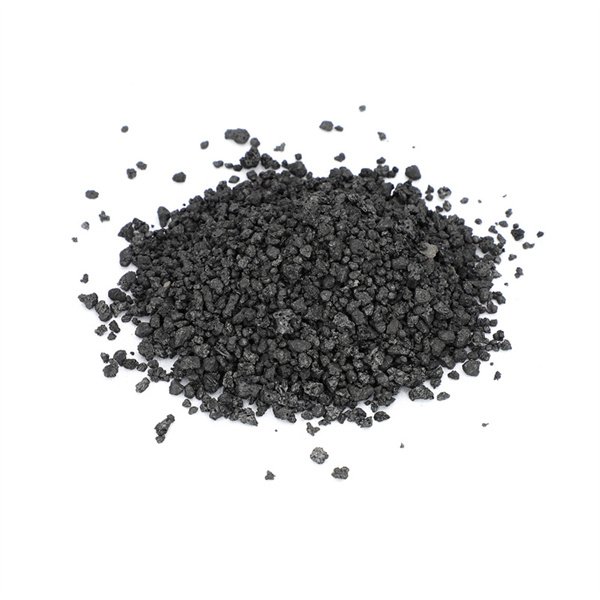
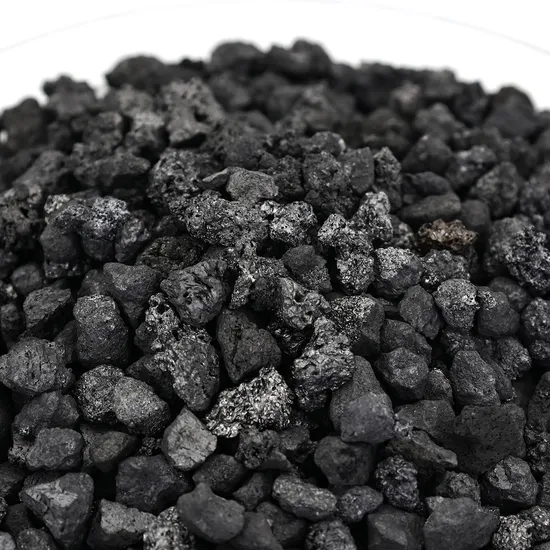
In the steel and foundry industries, every fraction of cost optimization directly impacts product competitiveness. For carbon additives – the essential material that ensures molten metal reaches its target carbon content – procurement decision-makers frequently face a fundamental choice: focus on the more immediately visible price per ton, or consider the more comprehensive, true cost per ton of melt.
At Beifang Alloy, a company deeply rooted in the ferroalloy industry with a global distribution network, we understand that simple price comparison is far from sufficient to define true value. This article will analyze the essential differences between these two evaluation methods and guide you toward more astute strategic decisions from four dimensions: procurement needs, industry insights, practical guidance, and supplier evaluation.
The primary goal of procuring carbon additives is to supplement carbon for the melting process in a stable, efficient, and economical manner. Therefore, the core of evaluation should shift from a singular “purchase cost” to the “total cost of use” that encompasses the entire production process.
The Limitation of “Price/Ton”: This only reflects the delivered purchase cost of the material. It ignores the significant differences between various carbon additives (such as metallurgical coke, recarburizers, graphitized petroleum coke) in terms of absorption rate, dissolution speed, sulfur content, and ash content. Low unit-price products can lead to poor absorption rates, extended melting times, increased impurity introduction, and ultimately, erosion of your profit margins.
Today, the ferroalloy and steel industries face multiple pressures: environmental upgrades, high energy costs, and the push for high-end products. Industry research indicates that the procurement evaluation systems of forward-thinking companies are undergoing a profound transformation:
Efficiency-Driven: As electricity and fuel costs rise, high-quality carbon additives that can significantly reduce power-on time and increase dissolution speed save energy costs that far exceed their price premium.
Quality Leap: Products like special steels and high-quality ductile iron require extremely strict control of residual elements (e.g., sulfur, nitrogen). High-purity, low-sulfur, low-nitrogen carbon additives have become essential for ensuring the pass rate of high-end products. The quality stability and brand premium they bring cannot be measured by ton price alone.
Environmental Compliance: Carbon additives with high ash content generate more slag, increasing solid waste disposal costs. Selecting clean raw materials is a key step toward green production at the source.
To implement “cost per melted ton” procurement, we recommend following this four-step process:
Baseline Testing: Under current production conditions, accurately record the price per ton, actual carbon absorption rate, time required to reach target carbon content, and average consumption per ton for your currently used carbon additive.
Total Cost Modeling: Create a model for the new material being evaluated. Focus on calculating: (New Unit Price / Supplier's Promised Absorption Rate) + Estimated Energy Cost Change Due to Dissolution Speed Variation ± Quality Risk Adjustment.
Small-Batch Production Trial: Partner with a reliable supplier to conduct rigorous industrial trials. Measure, don’t just trust the absorption rate, carburizing speed, and impact on furnace conditions.
Establish Long-Term Value Partnerships: Use the evaluation results as the basis for contract negotiations. Build strategic collaborations with suppliers who can provide products with stable, high absorption rates and are willing to share technical data to optimize your process.
How to distinguish between a “price seller” and a “value partner”? Key differentiators include:
| Comparison Dimension | Traditional “Price/Ton” Supplier | “Cost/Melted Ton” Value Partner |
|---|---|---|
| Communication Focus | Emphasizes lowest price per ton. | Inquires about your process, furnace type, target steel grades, discusses how to reduce your total cost per ton. |
| Technical Data | Provides basic chemical composition analysis. | Provides detailed absorption rate curves, dissolution kinetic data, typical application case studies. |
| Product Consistency | Batch performance may fluctuate. | Ensures highly stable product performance through raw material control and process, reducing variability in your production. |
| Service Support | Transaction-oriented. | Provides technical after-sales support, assists with trial program design and results tracking. |
| Value Proposition | “We are cheaper.” | “We can help you reduce your cost per melted ton by X units of currency.” |
In the procurement of carbon additives, the most expensive element is often not the product itself, but the hidden losses incurred from suboptimal choices. At Beifang Alloy, adhering to our core principles of “Quality, Integrity, Safety, and Energy Saving,” we are committed not only to providing high-quality Ferro Silicon, Silicon Metal, Silicon Carbide, and Carbon Additives but also to becoming a value co-creator within your production流程.
We invite you to re-examine your procurement evaluation criteria with this wiser perspective. The true cost is hidden within the melting furnace, not merely on the purchase invoice. By focusing on the cost per melted ton and collaborating with like-minded partners, we can jointly unearth the “profit mine” hidden within our daily decisions.