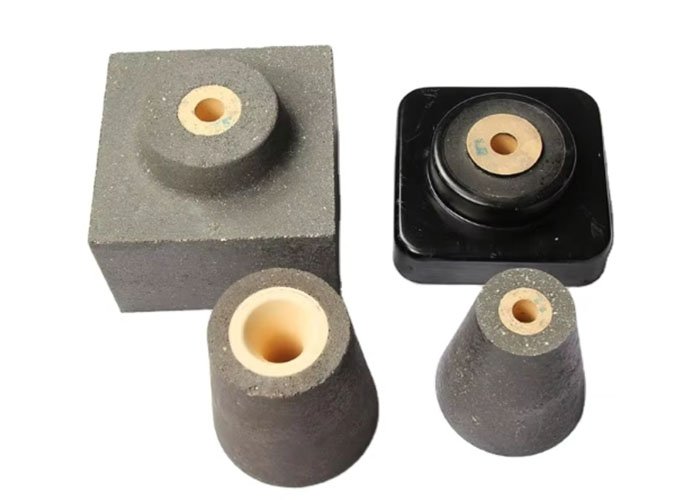
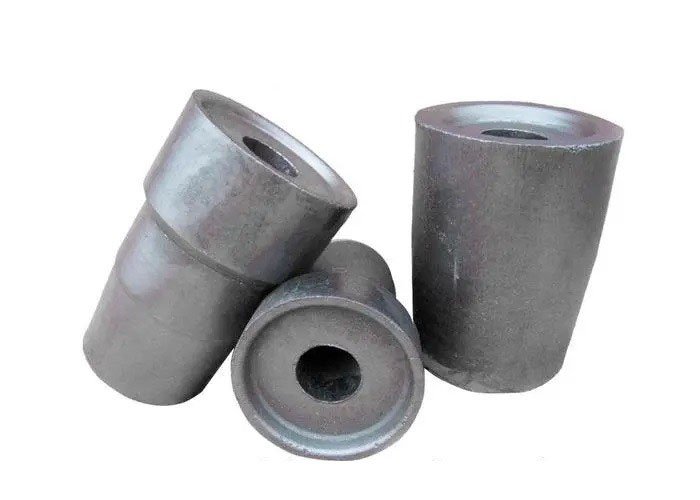
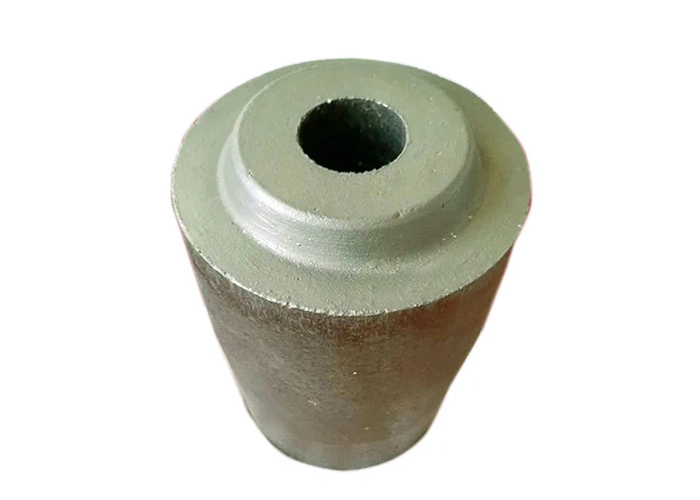
The monolithic stopper rod is a core functional refractory component of the tundish flow control system in continuous casting. It is installed inside the tundish and works together with the submerged entry nozzle or tundish upper nozzle. Through the matching clearance between the rod head and the nozzle bowl, it precisely regulates the flow of molten steel from the tundish to the mold, ensuring stable molten steel level in the mold and smooth continuous casting operation. The monolithic stopper rod is a one-piece composite product. According to service environment and function, it can be divided into the connecting part, body, slag line, and rod head.
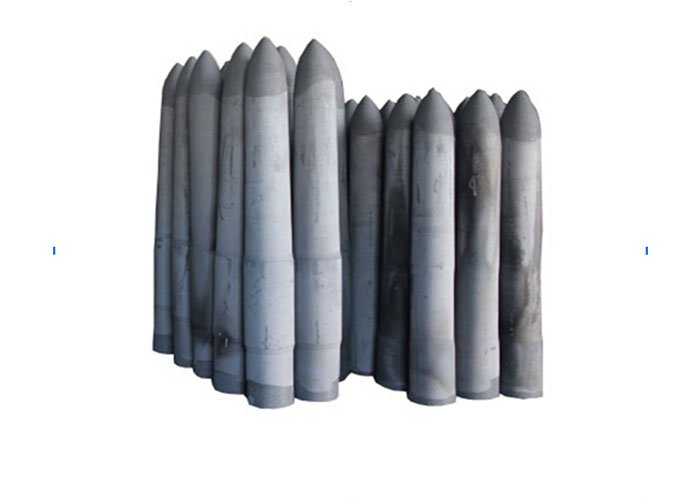
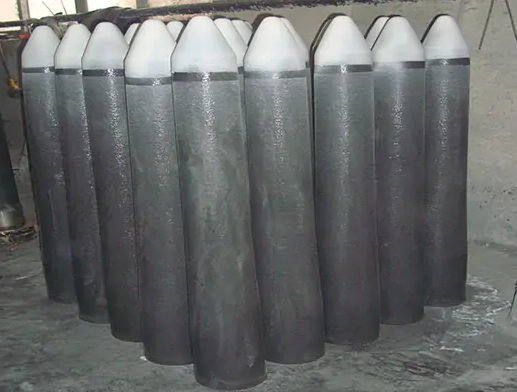
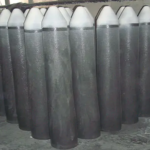
The monolithic stopper rod is a core functional refractory component of the tundish flow control system in continuous casting. It is installed inside the tundish and works together with the submerged entry nozzle or tundish upper nozzle. Through the matching clearance between the rod head and the nozzle bowl, it precisely regulates the flow of molten steel from the tundish to the mold, ensuring stable molten steel level in the mold and smooth continuous casting operation. The monolithic stopper rod is a one-piece composite product. According to service environment and function, it can be divided into the connecting part, body, slag line, and rod head.
The monolithic stopper rod serves under extremely harsh conditions: it must withstand high-temperature gas baking, severe thermal shock at the beginning of casting, and violent scouring by molten steel, as well as chemical erosion by molten steel and covering flux, and stress impact from the vibration of the tundish mechanism. Domestic monolithic stopper rods are mainly made of alumina-carbon (Al₂O₃-C) material, which has problems such as poor adaptability to some special steel grades, low erosion resistance, easy rod breakage, and easy oxidation during long-time baking. Modern monolithic stopper rods usually adopt a composite structure design: the body is alumina-carbon material, the slag line area uses zirconia-carbon (ZrO₂-C) material to enhance slag erosion resistance, and the rod head can be selected from alumina-carbon, magnesia-alumina spinel-carbon, or magnesia-carbon materials according to the steel grade.
Monolithic stopper rod models are usually designed to match the tundish flow control system (submerged entry nozzle or tundish upper nozzle).
Typical product physical and chemical indicators :
| Item | Monolithic Stopper Rod Body | Monolithic Stopper Rod Slag Line |
| Al₂O₃ (%) ≥ | 60 | — |
| SiO₂ (%) ≥ | 8 | — |
| C (%) ≥ | 20 | — |
| ZrO₂ (%) | — | 78~95 |
| Apparent porosity (%) ≤ | 15 | 18 |
| Bulk density (g/cm³) ≥ | 2.30 | 3.65 |
Other specification references:
GX-type composite monolithic stopper rod: Al₂O₃ 61.8%, ZrO₂ 9.3%, C+SiC 26.25%; apparent porosity 11%; cold flexural strength 11.3MPa; compressive strength 35.3MPa
Rod head material options: Alumina-carbon is suitable for carbon steel; magnesia-alumina spinel-carbon is suitable for special steel grades such as high-oxygen steel and high-manganese steel, with higher erosion resistance
Slag line reinforcement sleeve design: Thickness 10~30mm, height 200~500mm; different material sleeves can be selected according to the erosion mechanism of the covering flux
Connection method: An internal cavity is provided along the central axis of the rod body; a thread block is provided 50~100mm from the end away from the rod head for connection with the mechanism; some designs use ceramic nuts instead of steel nuts to avoid the steel nut seizing with the main shaft at high temperatures
The inner diameter, shape, and length of the stopper rod can be customized according to the tundish flow control system design.
The monolithic stopper rod is dedicated to molten steel flow control in the tundish in continuous casting processes in the iron and steel smelting industry. It is one of the “three major components” of continuous casting (ladle shroud, submerged entry nozzle, and monolithic stopper rod).
Specific application scenarios:
Installation and usage method: The monolithic stopper rod is installed inside the tundish and fixed on the stopper rod lifting mechanism through the connecting mechanism (thread block/nut). Before use, it is heated together with the tundish during overall preheating. During casting, the flow rate is controlled by adjusting the clearance between the rod head and the nozzle bowl through lifting and lowering. In emergency conditions, it can plug the nozzle to ensure safe production. Rod head erosion, slag line erosion, and rod breakage are the main factors affecting stopper rod life. Appropriate material combinations and shape designs need to be selected according to steel grades and working conditions.