—— A Procurement Perspective from Beifang Alloy (Ferro Alloy Manufacturer)
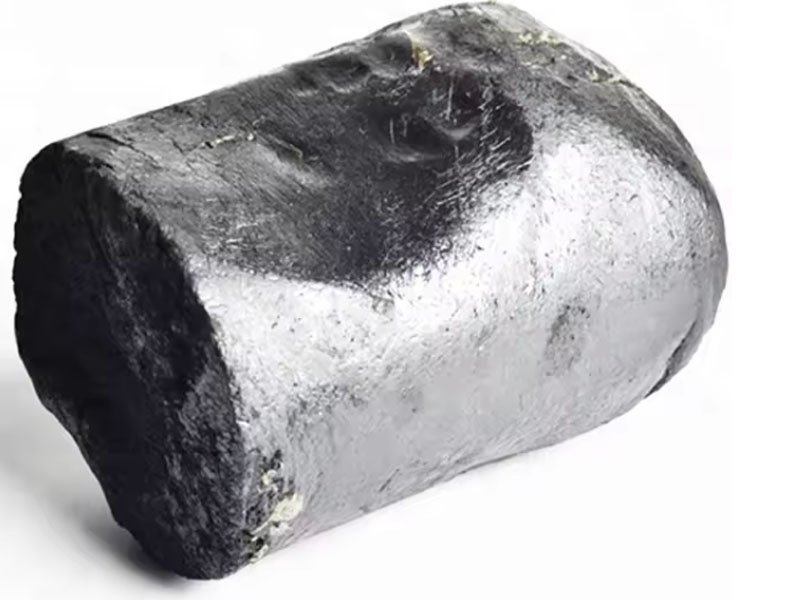
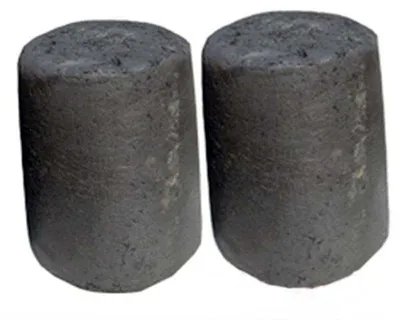
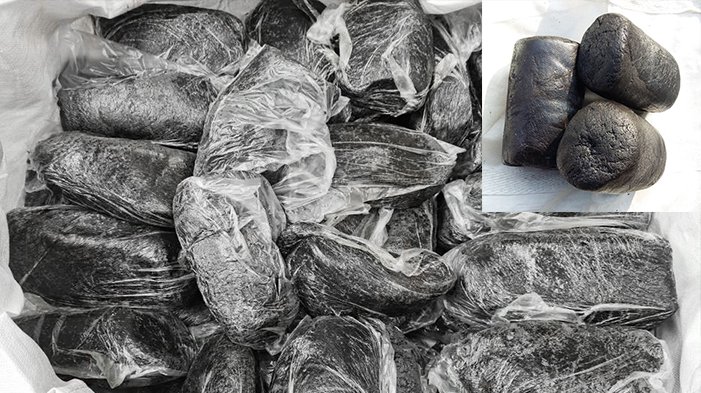
In the “last mile” of ferroalloy smelting, taphole clay — though a consumable — directly determines the operational efficiency and safe production cycle of blast furnace tapholes. With recent environmental policies tightening and tar tax rates on a continued upward trend, the economics of taphole clay procurement are being fundamentally reshaped.
As a professional ferroalloy plant with deep industry experience, Beifang Alloy (Beifang Alloy) combines market research and supply chain data to analyze the true total cost of high-tar taphole clay from four critical dimensions: procurement needs, industry trends, selection guidelines, and supplier comparison.
For ferroalloy plants, the core requirement for taphole clay has long evolved from simply “resisting erosion and easy opening” to total lifecycle cost (LCC) management.
Visible Cost Trade-offs: High-tar taphole clay relies on coal tar as a binder and typically carries a lower per-ton price than eco-friendly alternatives. However, beware: tar is classified as hazardous waste, and its transportation, storage, and environmental disposal costs are skyrocketing alongside rising tax rates.
The Hidden Cost Black Hole: During sintering at the taphole, high-tar clay releases large volumes of yellow smoke, triggering environmental fines and posing health risks to furnace operators. As tar tax rates climb, higher tar content means higher taxes and higher abatement costs — and these increases far outpace raw material price fluctuations.
A fundamental revolution in “binders” is underway across the industry. Under the latest environmental tax policies, tax rates on tar-based products have increased — meaning plants using traditional high-tar taphole clay face significantly higher comprehensive tax burdens per ton of product.
Regulatory Tailwinds: Blast furnace casthouses are flagged as major sources of fugitive emissions. Hazardous substances like benzo[a]pyrene released during high-tar clay sintering are now subject to increasingly stringent environmental tax assessments.
Process-Driven Realities: High-tar clay tends to exhibit greater shrinkage during sintering, leading to cracks and taphole flare-outs — which in turn increase clay consumption. Under identical tapping conditions, high-tar clay often shows higher per-use consumption than low-tar or eco-friendly formulations.
Before deciding to reduce tar content or switch formulations, we recommend evaluating taphole clay against three hard metrics:
Evaluate “Binder” Alternatives: Depending on your furnace conditions, consider modified-pitch binders or new-generation eco-friendly resin binders. These materials deliver higher carbonization strength and lower volatile emissions at elevated temperatures. Though raw material prices may be slightly higher, they effectively shield you from rising environmental tax pressures.
Calculate “Per-Tap Cost”: Don’t look at per-ton price alone. We strongly recommend using “consumption cost per ton of iron” as your core metric — i.e., clay unit price × consumption per ton of iron + environmental disposal allocation. As tar tax rates rise, the comprehensive per-ton-iron cost of high-tar clay is rapidly approaching — and in some cases surpassing — that of eco-friendly alternatives.
Monitor “Sintering Stability”: Sintering speed must precisely match tapping duration. Excessively high tar content leads to slow sintering and taphole enlargement; too little tar makes the clay too hard, increasing drill bit consumption.
Given the mixed quality of taphole clay suppliers on the market, Beifang Alloy (Beifang Alloy) recommends evaluating options across the following dimensions:
| Comparison Dimension | Traditional High-Tar Supplier | Integrated Refractory Solution Provider |
|---|---|---|
| Cost Structure | Low raw material cost, but tar taxes and environmental penalty risks are borne by the buyer — total cost of ownership is high | Moderate raw material cost; optimized formulations reduce volatile emissions, helping buyers avoid environmental tax hikes |
| Technical Fit | Rigid, one-size-fits-all formulations that often fail to match the specific tapping rhythms of ferroalloy blast furnaces | Customizable porosity and strength parameters based on taphole depth and tapping temperature |
| Service Response | Typically “one-off” transactions with no furnace condition follow-up | On-site application guidance and data tracking services to optimize clay injection volume |
Our Recommendation:
Against a backdrop of ever-rising tar tax rates, continuing with high-tar taphole clay is a risky gamble. Based on years of hands-on experience with our own blast furnaces, Beifang Alloy favors the adoption of low-volatile, high-strength taphole clay products. Though the upfront unit price may be slightly higher, the comprehensive per-ton-iron cost and regulatory compliance far outperform traditional high-tar alternatives.
Beifang Alloy (Beifang Alloy) is a professional ferroalloy production plant. While focusing on ferroalloy smelting, we also place great emphasis on optimizing upstream and downstream refractory technologies. We fully understand the critical importance of blast furnace longevity and environmental compliance for ferroalloy enterprises.
For further discussions on taphole clay selection or ferroalloy smelting technologies, please visit our official website at www.beifangalloy.com or reach out to us via email at info@hnxyie.com.