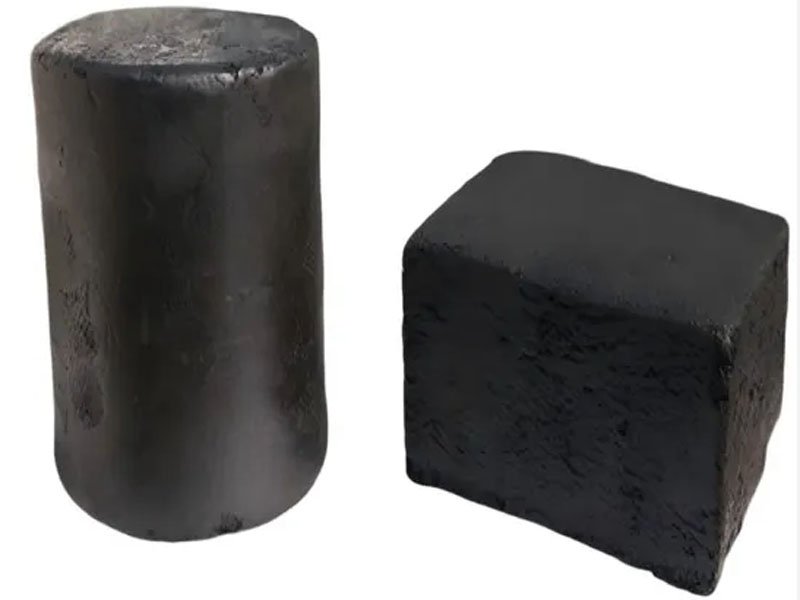
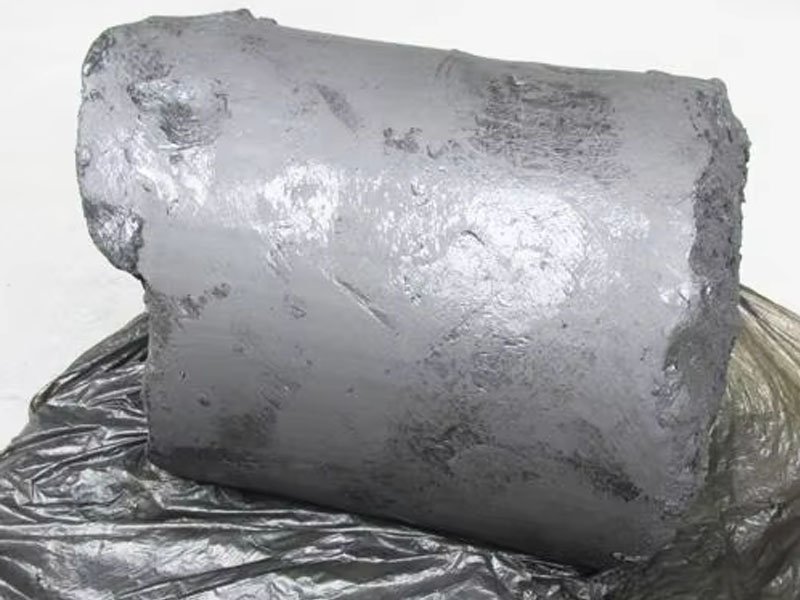
In ferroalloy smelting, Taphole Clay is the critical material that ensures stable blast furnace tap hole operation. Most procurement managers focus only on the “price per ton.” But as a ferroalloy plant with years of hands-on experience, Beifang Alloy warns: cheap Taphole Clay often comes with shocking hidden costs.
Below are five hidden costs of Taphole Clay procurement, analyzed from the perspectives of procurement needs, industry research, procurement process optimization, and supplier comparison.
From a Procurement Needs Analysis
It looks cheap upfront, but it eats your labor budget.
Low-cost Taphole Clay often has poor adhesion, leading to “difficult plugging and brittle tap holes.” This forces furnace workers to repeatedly add mud and clean the area.
The hidden cost: An extra 2–3 workers per shift, adding over $30,000 to annual labor costs. At the same time, frequent plugging failures accelerate wear on the hydraulic systems of the mud gun and tap hole drill.
Beifang Alloy’s advice: Clarify your needs before purchasing — “one-time plugging with a clean, intact tap hole” is the core KPI.
From In-Depth Industry Research
Ignoring chemistry accelerates refractory damage.
Some suppliers add excessive low-melting-point minerals or harmful impurities (like high-alkali metals) to reduce costs. At high temperatures, these substances penetrate the furnace lining, causing expansion and embrittlement.
The hidden cost: A furnace designed for 10 years of life may need a mid-term rebuild after just 8 years due to poor Taphole Clay. Direct losses can exceed $150,000.
Industry fact: Quality Taphole Clay is not just a consumable — it is a protective layer for your blast furnace.
From Procurement Process Optimization
Poor stability disrupts your production rhythm.
The plasticity of Taphole Clay changes dramatically with temperature and time. Low-quality clay hardens during transport or storage, leading to inconsistent mud volumes and wildly fluctuating tap hole depths.
The hidden cost: A shallow tap hole causes a runaway tap, forcing production cuts. A deep tap hole makes opening difficult, delaying casting. A single incident can cost tens of tons in lost output.
Optimization strategy: Implement batch stability testing. Require suppliers to provide Marshall Value and plasticity index reports for every batch.
From a Supplier Comparison Perspective
Waste disposal costs double or triple.
Low-end Taphole Clay uses coal tar as a binder. This not only releases dense black smoke at high temperatures (risking environmental fines), but the spent clay is classified as hazardous waste (HW11).
The hidden cost: Hazardous waste disposal costs approx. 400–700perton—10xhigherthangeneralwaste.Asingleenvironmentalinspectionfindingexcessivesmokecanresultinfinesof7,000–70,000.
Supplier comparison: Quality suppliers (such as those recommended by Beifang Alloy) use environmentally friendly resin or modified pitch binders, making the spent clay general solid waste with a much lower total cost.
From a Procurement Guide Perspective
Single sourcing and logistics blind spots.
Many buyers only compare ex-works prices, ignoring the supplier’s local service capabilities.
The hidden cost: When your furnace needs urgent repair with custom Taphole Clay, a distant supplier cannot deliver within 48 hours. Or during the rainy season, logistics fail — leaving you waiting for clay and forced to buy expensive spot material.
Procurement guide: Establish a dual-source supply system. A primary supplier for routine quality, and a backup supplier (like Beifang Alloy’s network) with technical support capability — able to respond to urgent deliveries or recipe adjustments within 24 hours.
| Evaluation Criteria | Low-Quality / Cheap Supplier | Ideal Supplier (Beifang Alloy Standard) |
|---|---|---|
| Price per ton | Low ($110–160) | Moderate ($200–340) |
| Labor cost | High (frequent re-plugging) | Low (one-time success) |
| Furnace impact | Corrodes lining, shortens life | Protects lining, extends life |
| Environmental compliance | Hazardous waste, heavy smoke | General waste, low smoke |
| Supply & support | No technical support, slow logistics | Formula optimization, 24h response |
| True total cost per ton | Deceptively high | Lower overall |
In Taphole Clay procurement, “buy expensive, use cheap” is the gold standard rule in the ferroalloy industry. Don’t be fooled by the initial quote. Include all hidden costs (labor + equipment + environment + production loss + furnace life) in your Total Cost of Ownership (TCO) model.
As a professional ferroalloy plant, Beifang Alloy not only supplies high-quality ferroalloys (such as ferromolybdenum, ferrovanadium, etc.) but also understands the pain points of the tap hole area. Through our technical partnerships with quality Taphole Clay suppliers, we can offer you:
Customized Taphole Clay formulations (matched to your tap hole depth and tapping temperature)
Total cost of ownership (TCO) consulting
Emergency supply channel support
📞 Contact us for a Taphole Clay procurement checklist and supplier evaluation form
🌐 Website: www.beifangalloy.com
📧 Email: info@hnxyie.com