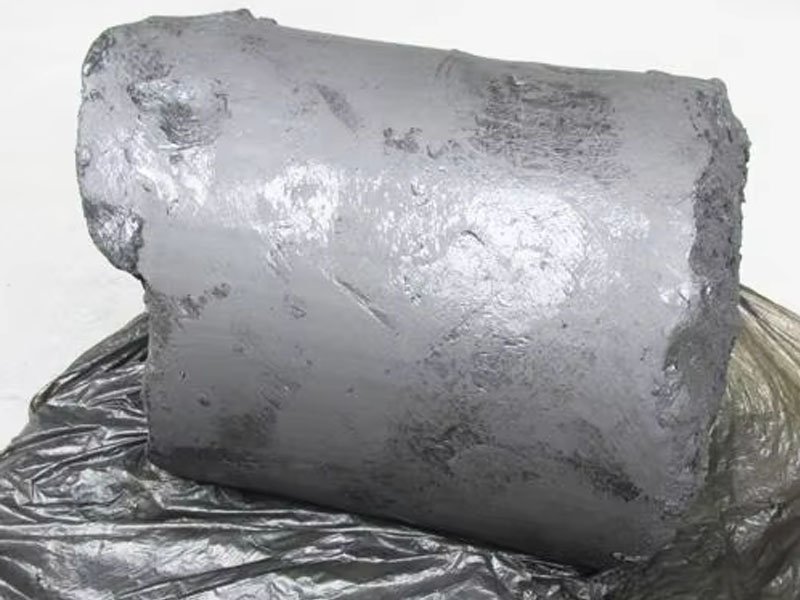
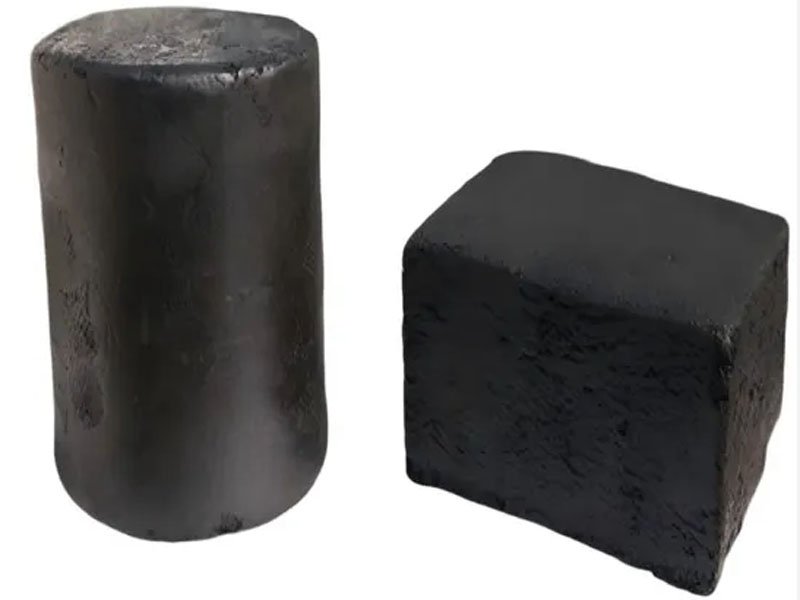
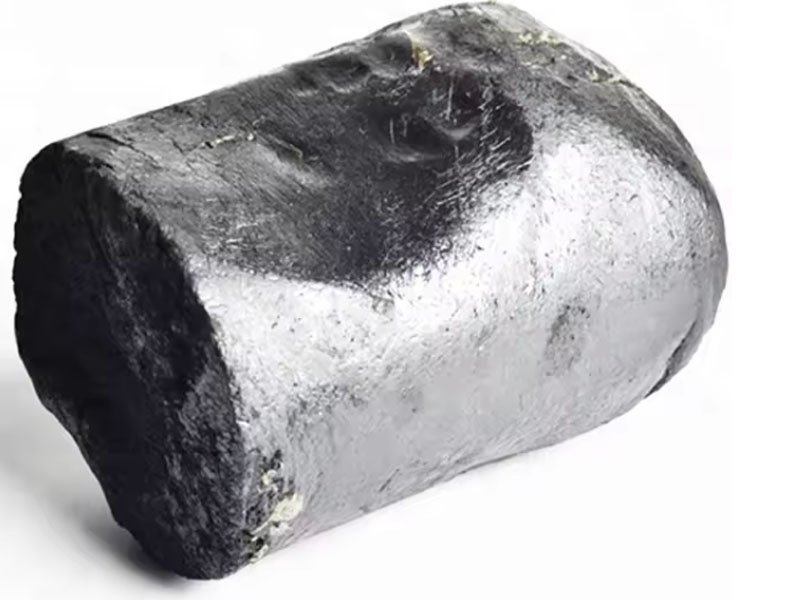
In a ferro alloy plant, the taphole is the gateway to productivity. We at Beifang Alloy understand that even a 10% fluctuation in taphole clay performance can lead to:
Irregular tap streams.
Premature erosion of the taphole.
Unplanned furnace downtime.
For years, every supplier claims their clay has “excellent stability.” But as buyers, we need data—not promises. A single unstable batch can cost a furnace operation thousands of dollars in lost production. Therefore, our procurement team has shifted from “trusting spec sheets” to “demanding batch-to-batch validation.”
We conducted a small internal study of 12 refractory suppliers. All 12 used the word “stable” in their technical brochures. However, when we dug deeper:
Only 3 provided historical batch test data.
None could explain the variance in plasticity index across different quarters.
Many hesitated when asked for random sampling rights.
This is the gap in the industry. Stability should not be a marketing word; it should be a measurable KPI. In smelting, the cost of inconsistency is hidden but huge: electrode wear, increased labor, and safety risks.
Beifang Alloy’s position: If you claim stability, prove it across multiple random batches—not just your ‘showcase’ sample.
Based on our experience as a ferro alloy producer, here is Beifang Alloy’s 4-point procurement checklist for taphole clay:
| Criterion | What to Ask |
|---|---|
| Batch Traceability | Can each batch be traced back to production date and raw material lot? |
| Random Sampling | Does the supplier accept third-party random testing of 5 unannounced batches? |
| Key Parameters | Ask for plasticity index, high-temperature strength, and linear change data—with standard deviation across 10+ batches. |
| Penalty Clause | Does the contract include penalties if batch #3 fails to match batch #1’s performance? |
If a supplier refuses random batch comparisons, that is a red flag. Real stability survives random scrutiny.
We have drawn a line in the sand.
| Supplier Type | Typical Claim | Real Performance | Beifang’s Verdict |
|---|---|---|---|
| Traditional Vendor A | “Good stability” | One certified sample; unknown batch variance. | Insufficient data |
| Overseas Brand B | “High consistency” | Better, but expensive and long lead times. | Possible but costly |
| Our Proposed Standard | “5-batch random test guaranteed” | Full traceability, third-party tested. | The new benchmark |
Here is our challenge—and our invitation:
“We dare any taphole clay supplier to send 5 random batches (selected by us, from their warehouse) to an independent lab for side-by-side testing. We will publish the results transparently on www.beifangalloy.com.”
Why are we doing this? Because as a ferro alloy factory, we are also a buyer. If a supplier truly has good stability, they should welcome this test. If not, then the market deserves to know.
Beifang Alloy does not just produce ferro alloys—we are also smart buyers of refractories. We invite suppliers, industry peers, and technical experts to join this conversation.
For Suppliers: Contact us at info@hnxyie.com if you accept the 5-batch random test challenge.
For Buyers: Use our procurement guide above. Don’t pay for the word “stable.” Pay for proven consistency.
Let’s replace claims with comparisons.
Beifang Alloy
A smarter ferro alloy partner.
www.beifangalloy.com | info@hnxyie.com