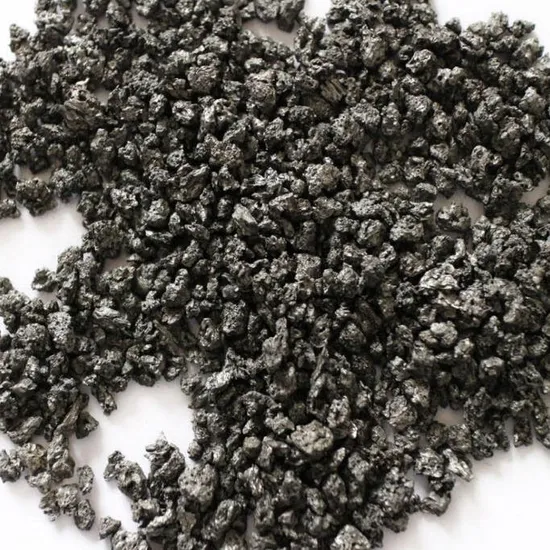
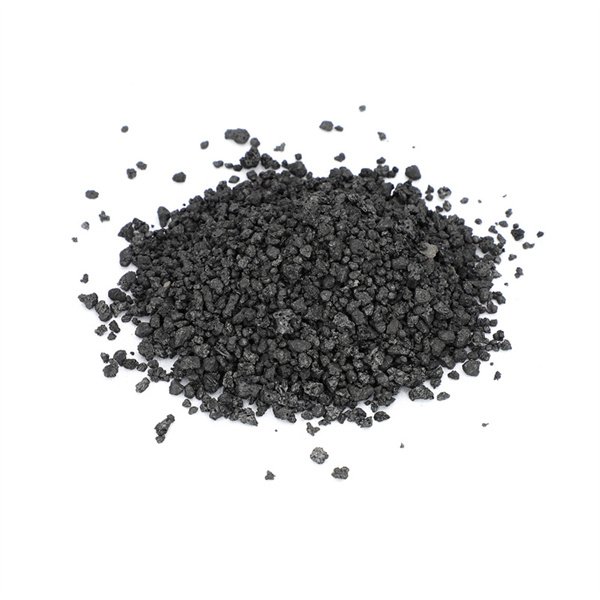
In the complex chemistry of ductile iron production, every element matters. While magnesium treatment and nodularization rightfully receive significant attention, one often overlooked factor is the nitrogen content in carbon raisers. As leading ferroalloy specialists at Beifang Alloy, we’ve identified this parameter as a crucial differentiator between satisfactory and exceptional ductile iron castings.
Ductile iron’s remarkable properties stem from its unique microstructure with graphite nodules embedded in a ferrous matrix. Nitrogen, when uncontrolled, disrupts this harmony. Excessive nitrogen can lead to:
Nitrogen porosity formation during solidification
Reduced graphite nodule count and compromised morphology
Inhibition of ferrite formation, affecting mechanical properties
Increased risk of pinhole defects in castings
When sourcing carbon raisers for ductile iron production, foundries must expand their quality parameters beyond just fixed carbon, sulfur, and ash content. Nitrogen specifications should become a non-negotiable element of your purchasing criteria.
Key nitrogen thresholds for optimal ductile iron production:
Premium Grade: < 200 ppm nitrogen
Standard Grade: 200-400 ppm nitrogen
High-Risk Material: > 400 ppm nitrogen
Foundries producing high-integrity castings for automotive, pressure-rated components, or wind energy applications should prioritize carbon raisers with nitrogen levels consistently below 250 ppm.
Recent studies from the American Foundry Society and International Journal of Metalcasting confirm the significant impact of nitrogen control:
Yield Improvement: Foundries implementing low-nitrogen carbon raisers report 2-4% reduction in scrap rates due to nitrogen-related defects.
Mechanical Properties: Tensile strength and elongation improvements of 8-12% were documented when nitrogen content was reduced from 500 ppm to under 200 ppm.
Cost Efficiency: Despite potentially higher upfront costs, low-nitrogen carbon raisers reduce overall production costs through improved yield, reduced rework, and fewer customer returns.
Determine maximum acceptable nitrogen levels based on your casting applications
Establish testing protocols for incoming material verification
Consider your melt practice and how nitrogen interacts with other elements
Assess raw material sourcing and quality control procedures
Review historical consistency data for nitrogen content
Evaluate technical support and problem-solving capabilities
Require certified material analysis with each shipment
Conduct periodic in-house verification testing
Maintain clear communication channels with suppliers
Track scrap rates by defect type
Document mechanical property consistency
Calculate total cost impact, not just purchase price
| Parameter | Premium Supplier | Standard Supplier | High-Risk Supplier |
|---|---|---|---|
| Nitrogen Control | Consistent < 200 ppm | Variable 200-400 ppm | Often > 400 ppm |
| Raw Material Sourcing | Select anthracite/calcined petroleum coke with known geology | Mixed sources with variable quality | Unknown or unstable sources |
| Production Process | Controlled calcination with nitrogen monitoring | Basic calcination without nitrogen control | Minimal processing |
| Quality Documentation | Full elemental analysis with traceability | Basic carbon/sulfur analysis | Limited or unreliable data |
| Technical Support | Metallurgical expertise for application optimization | Basic product information | Transactional relationship only |
| Consistency | Batch-to-batch uniformity < 10% variation | 20-30% typical variation | Unpredictable performance |
At Beifang Alloy, we’ve engineered our carbon raisers specifically for the demanding requirements of ductile iron production:
Ultra-Low Nitrogen Grade: < 150 ppm guaranteed
Standard Foundry Grade: < 250 ppm guaranteed
Fixed Carbon: 92-98% (multiple grades available)
Sulfur Content: < 0.5% (critical for ductile iron)
Ash Content: < 8% on premium grades
Raw Material Selection: We source anthracite from specific geological formations with naturally low nitrogen content
Controlled Calcination: Our proprietary thermal treatment reduces volatile matter while minimizing nitrogen pickup
Continuous Monitoring: Real-time analysis ensures every batch meets specifications
Traceability: Complete documentation from mine to shipment
Reduced Defects: Minimize nitrogen porosity and pinhole defects
Improved Properties: Achieve consistent mechanical properties
Enhanced Yield: Lower scrap rates and improve profitability
Technical Partnership: Access to our metallurgical expertise for process optimization
Start with Testing: Conduct a trial comparing your current carbon raiser with a low-nitrogen alternative. Monitor nitrogen levels in base iron and casting quality.
Calculate True Cost: Consider the total cost impact including scrap reduction, energy efficiency, and customer satisfaction, not just purchase price per ton.
Gradual Transition: Implement low-nitrogen carbon raisers first for your most demanding applications, then expand as results are validated.
Process Optimization: Work with technical partners to adjust other parameters (such as inoculation practice) that interact with nitrogen control.
In today’s competitive foundry environment, where quality expectations continue to rise while cost pressures intensify, controlling nitrogen through intelligent carbon raiser selection represents a significant opportunity. The marginal additional cost of premium low-nitrogen materials is consistently offset by reduced defects, improved properties, and enhanced customer satisfaction.
At Beifang Alloy, we’re committed to providing not just materials, but solutions. Our technical team is available to help you evaluate your current practices, conduct comparative trials, and develop an optimized approach to carbon addition that addresses your specific challenges and opportunities.
About Beifang Alloy:
Beifang Alloy is a leading producer of high-quality ferroalloys and foundry additives, serving the global metals industry since 2005. Our products are engineered to meet the precise requirements of modern foundries, with particular expertise in ductile iron production technologies.