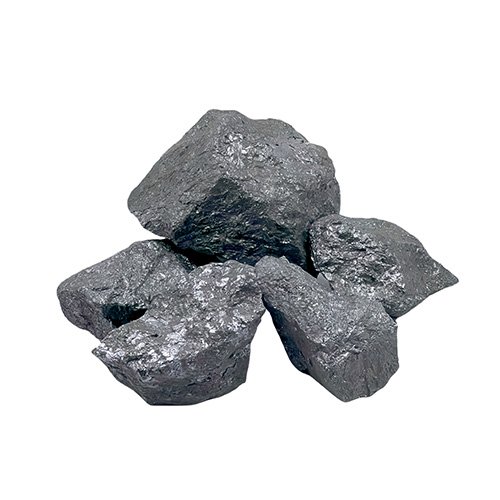
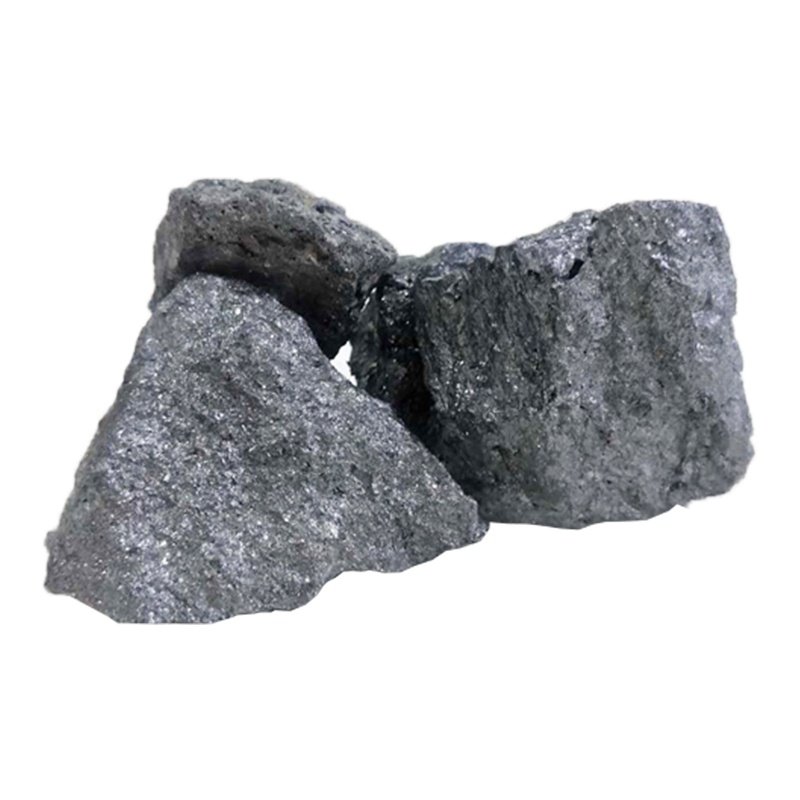
In the competitive landscape of metal casting, foundries are constantly seeking ways to optimize their processes, improve melt quality, and reduce overall production costs. One of the most effective yet sometimes overlooked materials to achieve these goals is High Carbon Silicon (HC Si). Also known as Silicon Carbide Briquettes, this powerful additive is revolutionizing foundry operations.
As Beifang Alloy, a professional ferroalloy factory with years of expertise, we understand the critical role that high-quality raw materials play in your success. This article serves as your comprehensive guide to High Carbon Silicon, covering your procurement needs, the latest industry insights, and a practical guide to selecting the best supplier.
Before diving into the market, it’s crucial to understand why you are procuring High Carbon Silicon. For foundries, HC Si is not just a commodity; it’s a strategic tool.
Powerful Deoxidation: HC Si acts as a strong deoxidizer, effectively removing oxygen from molten steel and iron. This results in cleaner metal with fewer inclusions, significantly improving the mechanical properties and surface quality of your final castings.
Superior Inoculation: It is an excellent inoculant for gray iron, promoting the formation of a uniform Type A graphite structure. This enhances the strength, machinability, and thermal conductivity of the cast iron, reducing the risk of chilling in thin sections.
Significant Cost Reduction: Perhaps its biggest advantage is economics. High Carbon Silicon can often replace more traditional and expensive materials like Ferrosilicon (FeSi) and Recarburizers in a single step. This dual-action capability simplifies your material handling and inventory while cutting costs.
Improved Energy Efficiency: The exothermic reaction during the dissolution of HC Si adds valuable heat to the melt, reducing the overall energy required to reach your target pouring temperature.
Enhanced Alloy Recovery: Using HC Si leads to more predictable and higher recovery rates of both silicon and carbon, ensuring better chemical composition control and reducing melt-to-melt variability.
The global demand for High Carbon Silicon is on a steady rise, driven by the foundry industry’s relentless pursuit of efficiency and sustainability.
Market Growth Drivers: The growth is primarily fueled by the expansion of the automotive, construction, and heavy machinery sectors, all major consumers of high-quality castings. The push for “greener” foundries is also a factor, as HC Si’s energy-saving properties align perfectly with sustainability goals.
Technological Shifts: Foundries are increasingly moving away from traditional, multi-step alloying processes towards integrated solutions. High Carbon Silicon fits this trend perfectly, offering a streamlined and more controlled method for adjusting key elements.
Quality Consciousness: There is a growing awareness that consistent raw material quality is non-negotiable for producing premium, defect-free castings. This has shifted the procurement focus from just price to price-performance ratio and supplier reliability.
Making an informed procurement decision requires careful attention to technical specifications and supplier capabilities. Here’s a checklist:
Key Specifications:
Chemical Composition: The core specs are Si (Silicon) and C (Carbon) content. Common grades range from Si 55% / C 15% to Si 68% / C 28%. Ensure the levels match your specific metallurgical requirements.
Impurity Control: Pay close attention to levels of Aluminum (Al), Phosphorus (P), and Sulfur (S). Low levels of these impurities are critical for producing high-integrity castings, especially for steel and ductile iron.
Size and Form: HC Si is typically available in lumps or briquettes of specific sizes (e.g., 10-50mm, 50-100mm). The right size ensures optimal dissolution rates, minimizes losses as fumes, and facilitates accurate feeding.
Supplier Evaluation Criteria:
Production Capability & Consistency: Does the supplier have its own production facilities and strict quality control (QC) processes? Consistent quality from batch to batch is paramount.
Technical Support: Can the supplier provide expert metallurgical advice and technical data sheets? A good partner helps you optimize usage and troubleshoot issues.
Logistics & Packaging: Reliable, on-time delivery and secure, moisture-proof packaging (e.g., ton bags or customized packing) are essential for a smooth production flow.
Certifications: Look for suppliers with international quality management certifications (like ISO 9001), which indicate a commitment to standardized processes.
The ferroalloy market has many players, but not all are created equal. Here’s how Beifang Alloy stands out as your ideal partner for High Carbon Silicon.
| Feature | Standard Supplier | Beifang Alloy – Your Trusted Partner |
|---|---|---|
| Quality Control | Variable quality; may rely on third-party testing. | Vertically integrated production with in-house labs. Rigorous QC from raw material to finished product ensures unmatched consistency and purity. |
| Technical Expertise | Often acts as a simple trader with limited technical knowledge. | Deep metallurgical expertise. Our team provides personalized technical support to help you achieve the best results and cost savings for your specific application. |
| Product Range & Customization | Limited standard grades. | Flexible production allows for customized sizes and chemical compositions to meet your unique foundry needs. |
| Reliability & Service | Inconsistent communication and delivery schedules. | Professional customer service and robust logistics networks guarantee reliable, on-time delivery and clear communication every step of the way. |
| Value Proposition | Focuses primarily on low price. | Focuses on Total Cost of Ownership (TCO)—delivering superior performance that lowers your overall production cost through efficiency and yield improvements. |
Integrating High Carbon Silicon into your foundry process is a proven strategy to enhance metal quality, boost operational efficiency, and reduce costs. The key to unlocking these benefits lies in choosing a supplier that is not just a vendor, but a true technical partner.
At Beifang Alloy, we combine our factory-direct production capabilities with a customer-first approach. We are committed to providing you with consistently high-quality High Carbon Silicon that delivers real, measurable value to your bottom line.
Ready to optimize your foundry operations?
Contact our technical sales team today at info@hnxyie.com for a personalized consultation, or visit our website www.beifangalloy.com to explore our full range of ferroalloy solutions.