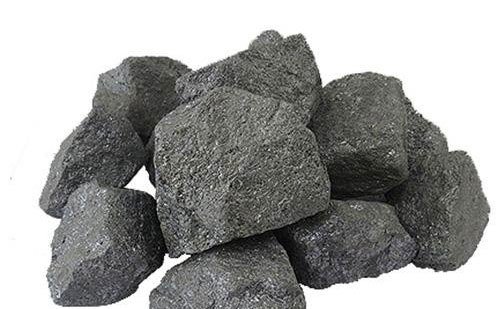
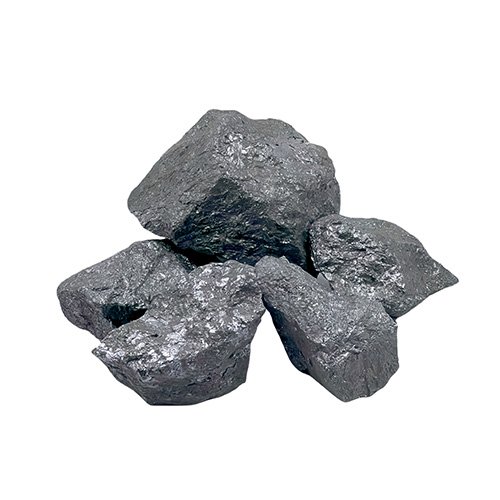
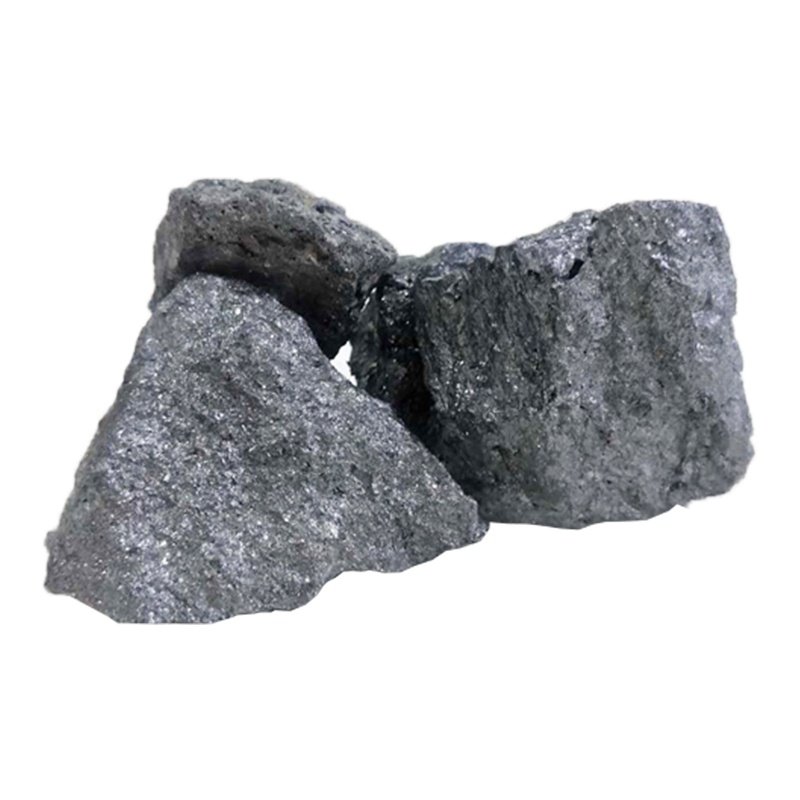
In the intricate world of foundry operations and iron casting, fluidity is king. The ability of molten iron to fill complex moulds seamlessly directly determines the quality, integrity, and yield of your final castings. At Beifang Alloy, a leading ferroalloy factory, we provide the key to unlocking this crucial property: High Carbon Silicon (HC Silicon).
This article delves into how this powerful additive transforms your casting process, offering a strategic guide from understanding its technical benefits to making an astute procurement decision.
Why is fluidity so critical, and what makes High Carbon Silicon the ideal solution?
The Problem of Poor Fluidity:
Misruns & Incomplete Castings: Molten iron solidifies before filling the entire mould cavity, leading to scrap and lost production time.
Shrinkage Defects: Poor flow exacerbates shrinkage porosity as the metal cannot adequately feed into isolated sections during solidification.
Surface Imperfections: Low fluidity results in rough casting surfaces and poor definition of intricate details.
The High Carbon Silicon Solution:
High Carbon Silicon acts as a multifunctional wonder-additive to combat these issues directly:
Powerful Inoculant: The silicon in HC Silicon promotes the formation of a more favourable graphite structure (Type A graphite) in the iron. This change in microstructure reduces the surface tension of the molten iron and lowers its liquidus temperature, dramatically improving its flow characteristics.
Dual-Action Efficiency: Unlike pure silicon, HC Silicon also provides a controlled carbon boost. Carbon is a primary graphitizer and significantly lowers the melting point of the iron. This combination of silicon inoculation and carbon addition creates a synergistic effect for superior fluidity.
Cost-Effective Performance: By using HC Silicon, you achieve the fluidity benefits of silicon and the carburizing effect in a single, often more economical, additive than purchasing separate materials. This streamlines your process and reduces overall material costs.
Your Need: A reliable, cost-effective additive that directly tackles fluidity challenges to reduce scrap rates, improve casting yield, and enable the production of more complex, high-integrity parts.
The global foundry industry is under pressure to enhance efficiency and sustainability. The use of High Carbon Silicon is a growing trend aligned with these goals.
Focus on First-Pass Yield: With rising energy and operational costs, foundries are prioritizing “right-first-time” casting. Improving fluidity with HC Silicon is a direct method to reduce re-melts and scrap, directly boosting profitability.
Demand for Complex Castings: Industries like automotive and heavy machinery require thinner walls and more intricate geometries. This pushes the limits of molten metal flow, making effective inoculants like HC Silicon not just an option, but a necessity.
Operational Simplification: Foundries are consolidating their material procurement. HC Silicon’s dual functionality reduces the number of additives needed in the ladle, simplifying inventory, handling, and process control.
The market is clearly moving towards smart, multi-functional alloys that deliver multiple metallurgical benefits in one step.
Not all High Carbon Silicon is created equal. To maximize fluidity improvement, you must specify the right product.
Key Chemical Specifications:
Silicon (Si) Content (55-70%): This is the primary inoculant. A consistent and high Si content is non-negotiable for effective graphitization and fluidity enhancement.
Carbon (C) Content (2-4%): Ensures a strong carburizing effect to complement the silicon. The combined C and Si work together to lower the melting point.
Low Impurities are Critical: High levels of Aluminum (Al) and Phosphorus (P) can be detrimental. Aluminum can create pinholes and inclusions, while phosphorus increases brittleness. A reliable supplier will guarantee low impurity levels.
Physical Form:
Consistent Lump Size (e.g., 10-50mm): A uniform size ensures predictable dissolution in the ladle or furnace. Fines and dust lead to poor recovery, oxidation, and inconsistent results.
Supplier Evaluation Questions:
Can you provide a detailed Material Safety Data Sheet (MSDS) and certified mill test reports?
What is your internal quality control process to ensure batch-to-batch consistency?
Do you offer technical support to help optimize the addition rate for our specific iron grade?
Choosing a supplier is a strategic decision that impacts your product quality and bottom line. Here’s why Beifang Alloy is the superior partner for your fluidity needs.
| Feature | Standard Supplier | Beifang Alloy – Your Fluidity Expert |
|---|---|---|
| Product Purity & Consistency | May vary; focus on primary specs only. | Guaranteed Low Impurities. We specialize in producing HC Silicon with optimally balanced Si/C and strictly controlled Al, P, and S levels, ensuring clean, fluid iron and superior castings. |
| Technical Expertise | Generic product knowledge. | Specialized Foundry Support. Our technical team understands metallurgy. We don’t just sell a product; we provide insights on addition rates, treatment temperatures, and inoculation effects to maximize your fluidity. |
| Value Proposition | Focused on price per ton. | Focus on Total Cost of Ownership. Our high-recovery, consistent product reduces your scrap rate, improves yield, and lowers processing costs, delivering far greater value than the initial price. |
| Reliability & Support | Transactional relationship. | Partnership for Performance. We ensure a stable supply chain for uninterrupted production and offer dedicated customer service to address your specific challenges and goals. |
Improving molten iron fluidity is not just about fixing a problem—it’s about enabling new levels of quality, complexity, and efficiency in your foundry. High Carbon Silicon is the most effective tool for this task, and Beifang Alloy is the most reliable source.
By choosing us, you invest in more than an additive; you invest in a partnership dedicated to elevating your casting operations.
Ready to enhance your molten iron fluidity and transform your casting quality?
Contact Beifang Alloy today for a technical data sheet and a personalized quote.
Website: www.beifangalloy.com