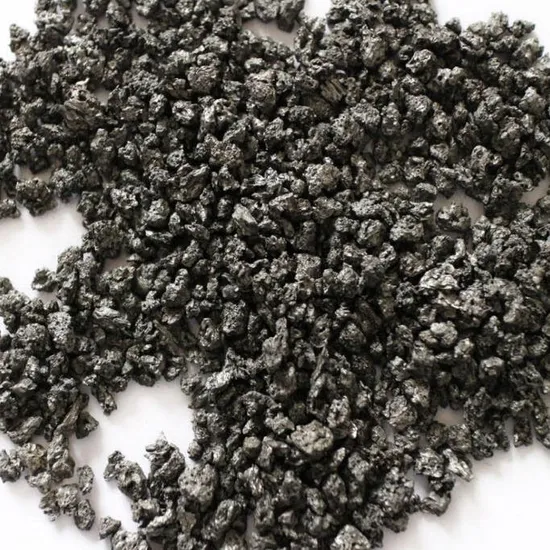
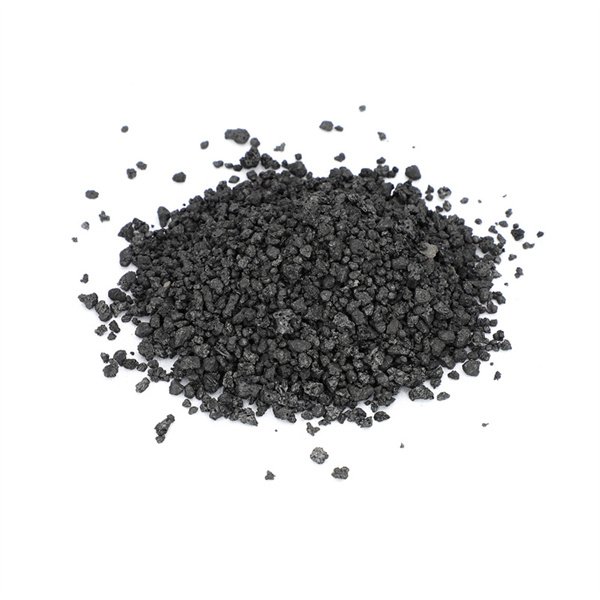
In the high-temperature world of ferroalloy production, every component must withstand extreme conditions while ensuring efficiency and cost-effectiveness. As a leader in manufacturing and exporting products like ferro silicon and silicon metal, Beifang Alloy understands that the quality of auxiliary materials is as critical as the primary alloys themselves. One such indispensable material is Artificial Graphite.
Unlike its natural counterpart, artificial graphite is a manufactured carbon material produced through a sophisticated process of high-temperature treatment (graphitization) of carbon-rich precursors like petroleum coke or pitch coke. This process results in a material with superior and consistent properties: excellent electrical and thermal conductivity, remarkable high-temperature resistance, outstanding chemical inertness, and enhanced mechanical strength. For ferroalloy factories, these attributes translate into reliable performance in key applications such as electrodes for electric arc furnaces, crucibles, molds, and as a conductive agent in refractory materials.
This guide is designed to navigate the technical and commercial landscape of artificial graphite, providing actionable insights from procurement strategy to supplier selection.
Your need for artificial graphite is intrinsically linked to your core production processes. A precise understanding of these applications dictates your specific procurement requirements.
Primary Applications & Specifications:
Electric Arc Furnace (EAF) Electrodes: This is likely the most significant application. Here, graphite acts as a conductive consumable that generates the arc to melt raw materials. Key specifications include resistivity, flexural strength, and thermal shock resistance. The electrode’s grade and size must match your furnace’s power input and operational cycle.
Refractory Additives & Conductive Materials: Graphite is added to furnace linings (e.g., MgO-C bricks) to improve thermal conductivity and slag resistance. Required specifications focus on fixed carbon content, ash composition, and particle size distribution.
Crucibles and Molds: Used for molten metal handling and casting. Priority is given to density, purity, and oxidation resistance.
Critical Quality Parameters:
Fixed Carbon Content (Typically >99%): Higher carbon content ensures better conductivity and chemical stability.
Ash Content & Composition: Low ash is vital (<0.5%) as impurities can contaminate the ferroalloy melt.
Physical Strength: High compressive and flexural strength reduces breakage and consumption rates.
Thermal Properties: Optimal thermal conductivity and a low coefficient of thermal expansion (CTE) prevent cracking under thermal cycling.
The artificial graphite market is driven by booming demand from the lithium-ion battery sector. However, the industrial graphite segment for metallurgy remains robust, characterized by distinct dynamics.
Supply Chain Structure: The industry chain flows from raw materials (petroleum coke, needle coke) to graphite processors (crushing, milling, purification) to final graphitization (a high-heat treatment at 2500-3000°C). This graphitization step is energy-intensive and a major cost and capacity bottleneck.
Key Market Drivers for Metallurgical Grade:
Global Steel & Alloy Production: As a primary consumer, its health directly impacts demand.
Energy Costs: Graphitization is electricity-intensive, making regional power costs a critical price factor.
Environmental Regulations: Stricter controls on production emissions and a push for higher efficiency (lower consumption rates per ton of alloy) are shaping product innovation.
Technological Substitution: In some applications, there is competition from alternative materials like advanced ceramics or synthetic carbon composites.
Moving from needs to action requires a structured procurement process.
Step 1: Define Technical Specifications Clearly
Work with your production engineers to create a detailed specification sheet for each application (EAF electrodes vs. additives). This is your primary tool for communication and quality assurance.
Step 2: Supplier Sourcing and Qualification
Look beyond basic sales pitches. Assess a supplier’s technical capability, graphitization furnace capacity, quality control certifications (ISO 9001 is a baseline), and financial stability. Site audits are invaluable.
Step 3: Total Cost Analysis (TCA)
The purchase price per kilogram is just one component. Calculate the Total Cost of Ownership, which includes:
Consumption Rate: How many kg of graphite are consumed per ton of alloy produced?
Operational Impact: Does it enable faster melt times or reduce downtime?
Logistics & Inventory Costs: Consider bulk shipping and safe storage requirements.
Step 4: Sample Testing and Trial Orders
Never skip pilot testing. Run a trial batch under normal operating conditions to validate performance against your specifications before committing to large contracts.
Use a scored evaluation matrix to compare potential suppliers objectively. Below is an example framework:
| Evaluation Dimension | Key Questions to Ask | Weighting |
|---|---|---|
| Product Quality & Consistency | What is your standard QC procedure? Can you provide certified test reports for key parameters (fixed C, ash, strength)? | 30% |
| Technical Expertise & Support | Do you offer application engineering support? Can you customize grade or size for our specific furnace? | 25% |
| Production Capacity & Lead Time | What is your standard and guaranteed lead time? Is your graphitization capacity in-house? | 20% |
| Cost Structure & Commercial Terms | What is the FOB/CFR price? Are there discounts for long-term contracts? What are the payment terms? | 15% |
| Reliability & Reputation | Can you provide references from other metallurgical clients? What is your track record for on-time delivery? | 10% |
A Strategic Partnership Perspective
For Beifang Alloy, procuring artificial graphite should be viewed not as a simple commodity purchase, but as securing a strategic production input. The right graphite grade, sourced from a technically proficient and reliable partner, directly contributes to production efficiency, alloy purity, and overall cost control.
As you “deeply cultivate the industry and grasp the pulse” of global markets, applying the same strategic rigor to your auxiliary material supply chain will reinforce your foundation for delivering quality ferroalloys worldwide. Begin your next procurement review by defining your precise technical needs, then use the frameworks of industry research and supplier comparison to build a more resilient and cost-effective supply chain.