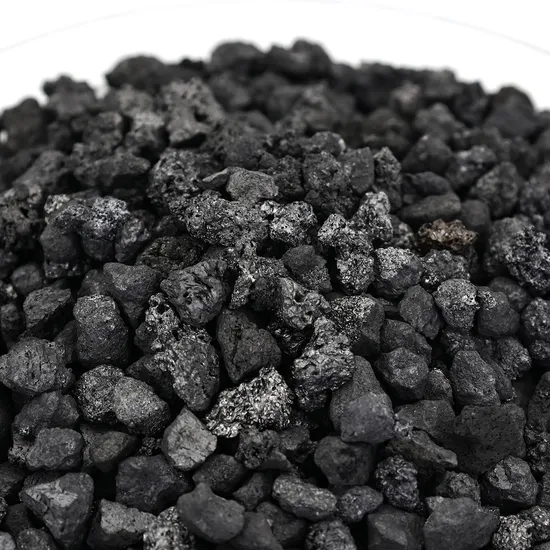
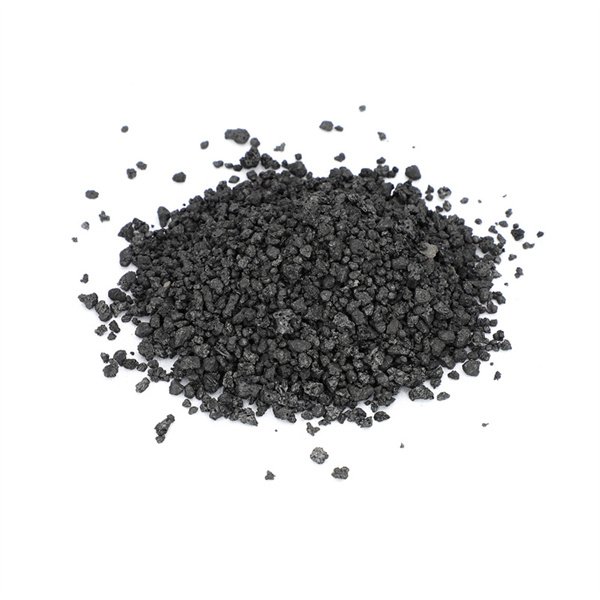
Carbon additive is a crucial material in the steelmaking and foundry industries, playing an essential role in adjusting the carbon content of molten metal. As a leading ferroalloy factory, Beifang Alloy provides high-quality carbon additives to ensure optimal metallurgical processes and superior end-product quality.
Carbon additive, also known as recarburizer, is a carbon-rich material added to molten iron or steel to increase the carbon content. During steelmaking, oxygen blowing and other processes can reduce carbon levels below the desired specification. Carbon additives efficiently and predictably restore carbon to the melt, directly impacting the metal’s hardness, strength, and microstructure.
Common types include:
Calcined Petroleum Coke (CPC)
Graphite Petroleum Coke (GPC)
Artificial Graphite
Natural Graphite
Calcined Anthracite Coal
Charcoal-based Recarburizers
Selecting the correct carbon additive is not a generic decision; it is a strategic procurement choice that affects:
Product Consistency: Uniform carbon content and particle size ensure predictable outcomes in every batch.
Cost Efficiency: High carbon recovery rates mean you use less material to achieve target specifications.
Metallurgical Performance: Influences key properties like tensile strength, ductility, and castability.
Environmental & Operational Compliance: Low sulfur, nitrogen, and ash content minimize slag and emissions, supporting smoother operations and regulatory adherence.
Identifying your specific need—whether for Electric Arc Furnace (EAF) steelmaking, induction furnace casting, or specialty alloy production—is the first critical step.
The global carbon additive market is evolving, driven by steel and automotive industry demands. Key insights include:
Quality over Cost: There is a growing shift towards premium, high-fixed-carbon additives (98%+ C) for high-grade steel and ductile iron, despite a higher upfront cost, due to better overall yield and quality.
Low-Sulfur Focus: Tighter environmental regulations worldwide are increasing demand for ultra-low sulfur recarburizers to reduce SOx emissions.
Size-Specific Applications: Industry preferences are segmenting: fine powders for late-stage ladle additions, 1-5mm granules for mid-furnace processing, and 10-50mm lumps for early charge in EAFs.
Sustainable Sourcing: Interest is growing in renewable and calcined coal-based additives as industries scrutinize supply chain sustainability.
Follow this actionable guide to make an informed purchasing decision:
Define Your Key Parameters:
Fixed Carbon Content: Aim for ≥98% for high-grade steel; 95-98% may suffice for standard cast iron.
Sulfur & Nitrogen Levels: Critical for low-specification steels; seek ultra-low sulfur (<0.05%) for high-performance applications.
Ash & Volatile Matter: Lower is better (<1% ash ideal). High levels create more slag and reduce carbon efficiency.
Moisture Content: Should be minimal (<0.5%) to prevent hydrogen introduction and dangerous melt reactions.
Particle Size & Distribution: Must match your feeding system and addition stage (e.g., lump for charge, powder for injection).
Evaluate Absorption & Recovery Rate: The product’s ability to dissolve into the melt. High-density, crystalline graphite typically offers faster, more efficient absorption (often >95%).
Calculate True Cost-in-Use: Don’t just compare price per ton. Factor in the carbon recovery rate. A cheaper additive with 80% recovery may be more costly than a premium one with 98% recovery. Use the formula:
Effective Cost = (Price per Ton) / (Fixed Carbon % x Recovery Rate %)
Audit Supplier Credentials: Verify production capacity, quality control certifications (ISO 9001), and in-house testing capabilities. Reliable suppliers provide consistent batch-to-batch quality with certified Mill Test Reports (MTRs).
When evaluating carbon additive suppliers like Beifang Alloy against others, assess them on these critical dimensions:
| Comparison Factor | Standard Supplier | Premium Supplier (e.g., Beifang Alloy) |
|---|---|---|
| Product Consistency | May have batch-to-batch variance in carbon content and sizing. | Rigorous QC ensures uniform fixed carbon, low sulfur, and precise sizing in every shipment. |
| Technical Expertise | Primarily a trader or basic processor. | In-house metallurgical expertise to recommend solutions based on your furnace type, process, and final product specs. |
| Production Control | Sourced from varied third-party calciners. | Owns or strictly controls the calcination process from raw material selection to final packaging, ensuring traceability. |
| Value-Added Services | Basic logistics and delivery. | Provides detailed MTRs, technical support, cost-in-use analysis, and flexible JIT delivery options. |
| Research & Development | Sells standard grades. | Invests in R&D to develop specialized additives for niche applications (e.g., ultra-low nitrogen for special steels). |
At Beifang Alloy, we are more than just a supplier; we are your technical partner in metallurgy. Our strengths include:
High-Quality Portfolio: We offer a range of carbon additives, including premium Calcined Petroleum Coke and high-purity Graphite-based Recarburizers, tailored for different applications and efficiency goals.
Vertically Integrated Quality: We control the production chain to guarantee superior fixed carbon content (up to 99.5%), extremely low sulfur and ash, and optimal particle density.
Expert Support: Our team helps you optimize addition ratios and methods to maximize yield and minimize costs.
Reliable Global Logistics: We ensure secure, on-time delivery to keep your production running smoothly.
Partner with Beifang Alloy for carbon additives that bring consistency, efficiency, and quality to your melt shop.
Ready to optimize your steelmaking or foundry process?
Contact Beifang Alloy today for a technical consultation and sample testing.
Website: www.beifangalloy.com
Email: info@hnxyie.com