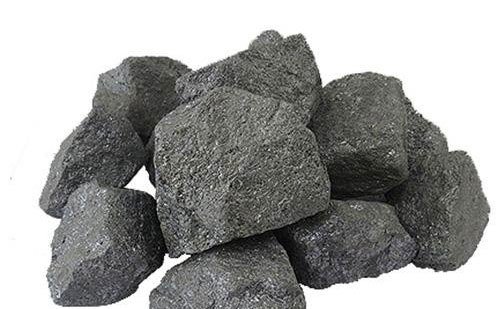
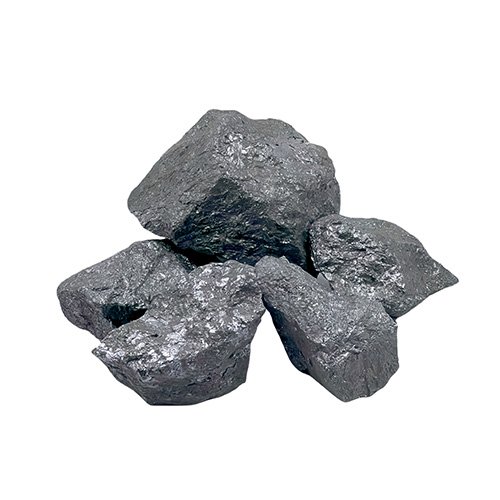
In today’s competitive steel and foundry industries, optimizing production costs without compromising quality is the key to profitability. For decades, Ferro Silicon (FeSi) has been the industry standard for deoxidation and alloying. However, a powerful and efficient alternative is gaining significant traction: High Carbon Silicon (HC FeSi).
As a leading ferro alloy factory, Beifang Alloy is at the forefront of this shift. We are here to provide a comprehensive analysis of High Carbon Silicon, helping you understand why it might be the strategic choice for your procurement needs.
Procurement managers are constantly challenged to balance budget constraints with the demand for high-quality raw materials. The primary drivers for seeking a Ferro Silicon substitute are:
Cost Volatility: The price of Ferro Silicon can be highly volatile, influenced by energy costs, environmental policies, and global market supply.
Total Cost Reduction: High Carbon Silicon typically offers a significant cost advantage per metric ton compared to standard Ferro Silicon.
Process Efficiency: HC FeSi acts as a composite material, providing both silicon and a controlled carbon addition, which can streamline the alloying process in steelmaking and cast iron production.
Performance: It is an excellent deoxidizer, helping to remove unwanted oxygen from molten steel, resulting in cleaner, higher-quality end products.
If your goals include stabilizing your budget, reducing overall material costs, and simplifying your production chemistry, then exploring High Carbon Silicon is not just an option—it’s a strategic necessity.
Extensive research and practical application in mills and foundries worldwide have validated the effectiveness of High Carbon Silicon. It is a well-defined ferro alloy with a typical composition of ~55-65% Silicon (Si), ~15-25% Carbon (C), and low levels of impurities like Aluminum and Calcium.
Key Advantages Validated by the Industry:
Dual-Functionality: It simultaneously introduces silicon and carbon into the melt. This eliminates the need for separate carbon raisers in many cases, simplifying the charge calculation and addition process.
Improved Recovery: The silicon recovery rate of High Carbon Silicon is comparable to, and in some applications, even better than that of traditional FeSi, leading to more predictable and efficient results.
Energy Savings: Its use can contribute to lower energy consumption in electric arc furnaces (EAFs) due to the exothermic nature of its reactions.
Environmental Aspect: As a composite briquette or lump, it can be more efficient to produce, leading to a lower overall carbon footprint in the supply chain.
The industry trend is clearly moving towards intelligent, multi-purpose alloys that deliver performance and economic benefits, and High Carbon Silicon sits perfectly in this category.
Transitioning to a new material requires careful planning. Here is a practical guide for procuring High Carbon Silicon:
1. Define Your Specification:
Clearly outline the required chemical composition (Si%, C%, and maximum limits for impurities like S, P, Al). Standard grades are available, but reputable suppliers like Beifang Alloy can provide customized grades to meet your specific furnace and product requirements.
2. Understand the Form:
High Carbon Silicon is commonly available in:
Lumps: Standard size for direct furnace charging.
Briquettes: Compressed blocks that reduce dust and improve melting efficiency.
Choose the form that best suits your handling and feeding systems.
3. Calculate the True Cost-in-Use:
Don’t just compare the per-ton price to FeSi. Calculate the cost based on effective silicon unit and factor in the value of the added carbon you are receiving. This comprehensive calculation almost always reveals the superior economics of HC FeSi.
4. Supplier Qualification:
Partner with a supplier who can provide:
Consistent Quality: Batch-to-batch consistency is non-negotiable for stable production.
Technical Support: The supplier should understand metallurgy and be able to assist with integration into your process.
Reliable Logistics: A proven track record of on-time delivery to avoid production disruptions.
When comparing suppliers for High Carbon Silicon, you need more than just a vendor; you need a technical partner. Here’s how Beifang Alloy stands out:
| Feature | Standard Supplier | Beifang Alloy |
|---|---|---|
| Product Quality | May vary; focus on standard grades. | Consistently high-quality with strict QC; offers both standard and customized compositions. |
| Technical Expertise | Primarily a trader; limited technical support. | Deep metallurgical expertise; we provide full technical data sheets and application support. |
| Cost Structure | Focus on price per ton. | Focus on your total cost-saving and ROI, helping you optimize usage. |
| Reliability & Scale | Potential for supply chain disruptions. | As an established factory, we guarantee stable supply and large-volume order fulfillment. |
| Customer Service | Transactional relationship. | Partnership approach; we are invested in your success and provide dedicated support. |
At Beifang Alloy, we don’t just sell ferro alloys; we provide cost-effective, intelligent material solutions. Our High Carbon Silicon is produced with precision to help you reduce costs, simplify operations, and enhance your competitive edge.
Contact Beifang Alloy today to request a free sample, a competitive quote, or a technical consultation. Let our experts show you how a switch to High Carbon Silicon can positively impact your bottom line.
Website: www.beifangalloy.com
Email: info@hnxyie.com