The global steel industry, responsible for approximately 7% of global CO₂ emissions, is undergoing a transformation. “Green steel”—produced using hydrogen, renewable energy, and circular production methods—is no longer a futuristic concept but an emerging reality. As a leading ferroalloy manufacturer, Beifang Alloy is closely monitoring how this shift impacts every element of steel production, including a critical component: carbon additives.
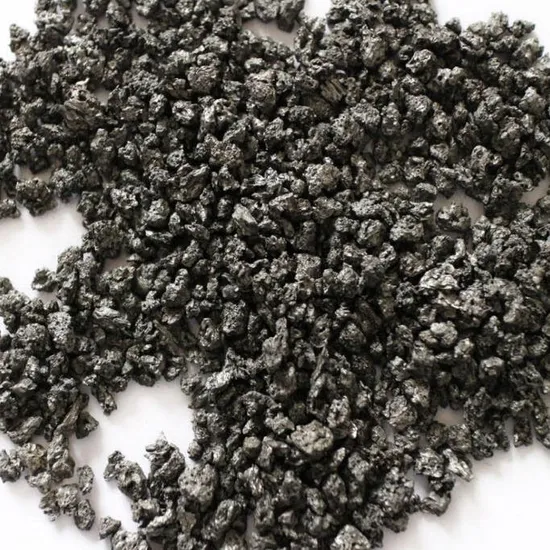
Traditional carbon additives like anthracite coal, petroleum coke, and graphite play essential roles in steelmaking, contributing carbon content, acting as recarburizers, and serving as energy sources. But as green steel processes like hydrogen direct reduction (HDR) and electric arc furnaces (EAF) powered by renewables gain traction, the specifications and demands for these materials are evolving. This article explores what manufacturers need to know about procurement, research, and supplier selection in this new landscape.
The procurement requirements for carbon additives are becoming more sophisticated and environmentally aligned.
Purity and Precision: Green steel processes, especially in high-quality EAF production, demand carbon additives with exceptionally low levels of sulfur, phosphorus, nitrogen, and ash. Impurities can compromise the integrity of high-grade steel and disrupt sensitive green production processes.
Consistency and Traceability: Batch-to-batch consistency is paramount. Suppliers must provide detailed documentation on the chemical composition and the environmental footprint of the production process itself.
Functional Efficiency: In hydrogen-based reduction, the role of carbon additives may shift from a massive reducing agent to a precise carburizing agent. The reactivity, dissolution rate, and carbon yield become more critical metrics than sheer volume.
The “Green Premium”: Manufacturers must evaluate the cost-benefit analysis of premium, low-emission carbon additives against the market advantage and regulatory compliance of producing green steel. Procurement decisions are now tied to the final product’s carbon tax and ESG (Environmental, Social, and Governance) rating.
Understanding the market trajectory is crucial for strategic planning.
Market Growth: According to recent analyses, the green steel market is projected to grow at a compound annual growth rate (CAGR) of over 60% from 2023 to 2030. This exponential growth will drive demand for compatible raw materials.
Technology Pathways: The two primary pathways—EAF-based recycling and hydrogen-based direct reduction—have different carbon additive needs. EAF routes require high-quality recarburizers for precise chemistry control, while HDR may require specific carbon forms to complement hydrogen.
Regulatory Driver: Policies like the EU’s Carbon Border Adjustment Mechanism (CBAM) are creating tangible financial incentives for low-carbon steel, pushing the entire supply chain to decarbonize.
Innovation in Additives: Research is intensifying into bio-based carbon alternatives (e.g., from sustainable biomass) and optimized synthetic graphite. The carbon additive product portfolio is expanding beyond traditional fossils fuels.
Manufacturers should adapt their procurement strategy with the following steps:
Internal Audit: Map your current and future steelmaking processes. Are you moving toward EAF, HDR, or hybrid models? Define the exact technical specifications (fixed carbon, sulfur, ash, moisture, size) needed for your “green” production.
Lifecycle Assessment (LCA) Requirement: Mandate that potential suppliers provide cradle-to-gate LCAs for their products. This assesses emissions from mining, processing, and transportation.
Certification Scrutiny: Look for suppliers with independent certifications for their production processes (e.g., related to energy use, emissions control, or sustainable sourcing).
Technical Collaboration: Move beyond transactional relationships. Partner with suppliers who have R&D capabilities to co-develop solutions for your specific green steel challenges.
Total Cost Analysis: Calculate the “total cost in use,” factoring in efficiency gains, reduced slag formation, and potential carbon credit benefits, not just the price per ton.
The choice of supplier is now a strategic decision for sustainability. Here’s how to compare:
| Criteria | Traditional Supplier | Progressive Supplier (Like Beifang Alloy) |
|---|---|---|
| Core Focus | Price, volume, basic specifications. | Technical performance, environmental impact, long-term partnership. |
| Product Data | Provides standard composition sheets. | Offers extensive LCAs, traceability to source, and batch-specific analytics. |
| Production Process | Often reliant on conventional, high-emission processing. | Investing in energy-efficient production, emission control systems, and process optimization to lower embedded carbon. |
| R&D Capability | Limited, product-focused. | Active R&D in product purity, new sustainable formulations, and application engineering for green steel. |
| Future-Readiness | Reactive to market changes. | Proactively developing products aligned with hydrogen and ultra-low-carbon steelmaking trends. |
The rise of green steel is not eliminating the need for carbon additives; it is transforming it. The game has changed from seeking the cheapest carbon source to procuring the most technologically precise and environmentally integrated material.
Manufacturers need a supplier that understands both the metallurgy of ferroalloys and the dynamics of the energy transition. At Beifang Alloy, we are not just observers of this change—we are active participants. Through continuous innovation in our production processes and product development, we are committed to providing the high-purity, consistent, and increasingly sustainable carbon and ferroalloy solutions that the green steel revolution demands.
The future of steel is green. The future of raw materials is precise, traceable, and responsible. Choose a partner ready for that future.Your Reliable Partner in Ferro Alloys
Website: www.beifangalloy.com
Email: info@hnxyie.com
Focus: Supplying high-quality ferroalloys and carbon additives for the evolving needs of the global steel industry.