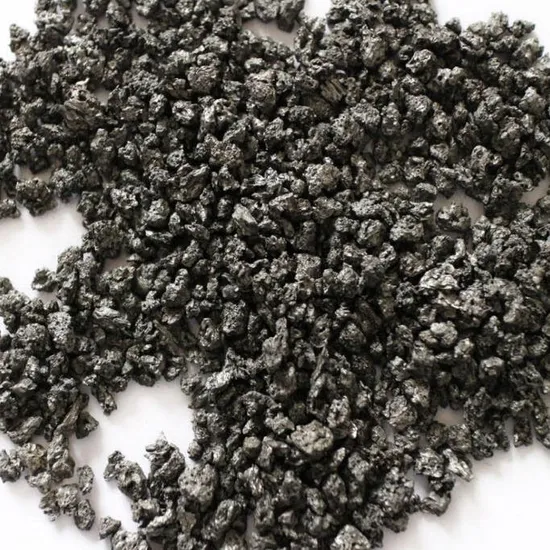
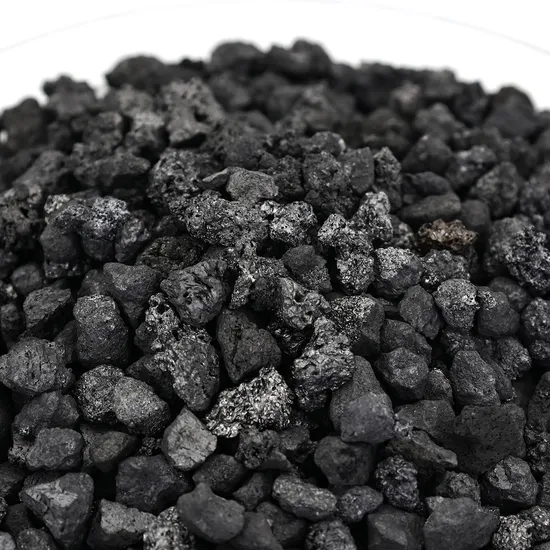
In the competitive landscape of steel production, Electric Arc Furnace (EAF) operators continuously seek optimization opportunities. One critical yet often overlooked area is carbon additive procurement. As a trusted ferroalloy manufacturer, Beifang Alloy understands that switching carbon additive suppliers isn’t merely a purchasing decision—it’s a process that can significantly impact melt chemistry, operational efficiency, and bottom-line profitability. This comprehensive guide outlines the systematic approach every EAF operator should follow before making a supplier transition.
Before evaluating new suppliers, clearly define your operational requirements:
Technical Specifications:
Fixed carbon content (typically 95-99.5%)
Sulfur, nitrogen, and moisture limits
Particle size distribution and consistency
Electrical resistivity characteristics
Bulk density and flowability
Operational Requirements:
Dissolution rate in molten steel
Impact on slag foaming characteristics
Effect on electrode consumption
Compatibility with existing injection systems
Consistency in chemical composition
Logistical Considerations:
Required delivery volumes and frequency
Packaging preferences (bulk bags, containers)
Storage requirements and shelf life
Just-in-time delivery capabilities
Documentation Needs:
Certified material analysis with each batch
Safety Data Sheets (SDS)
Traceability documentation
Quality certifications (ISO, etc.)
Current Market Landscape:
Pricing trends for calcined petroleum coke, graphite, and synthetic carbon
Regional availability and transportation logistics
Environmental regulations affecting production
Technological advancements in carbon additive production
Supplier Types:
Primary producers (integrated manufacturing)
Processors and blenders
Trading companies
By-product specialists
Risk Assessment:
Geopolitical factors affecting supply chains
Raw material sourcing transparency
Financial stability of potential suppliers
Industry reputation and client portfolio
Step 1: Laboratory Testing
Request samples from potential suppliers
Conduct comparative analysis of key parameters:
Proximate analysis (fixed carbon, volatile matter, ash)
Ultimate analysis (sulfur, nitrogen, hydrogen)
Trace elements (especially harmful residuals)
Physical properties (density, porosity, particle strength)
Step 2: Pilot Trials
Start with 10-20% replacement in your blend
Monitor:
Melt-in characteristics and dissolution time
Slag behavior and foaming stability
Effect on tap-to-tap times
Electrode consumption rates
Impact on final steel chemistry
Step 3: Performance Metrics Tracking
Establish baseline measurements with current supplier
Track during trial period:
Energy consumption per ton
Carbon yield and recovery rates
Refractory wear patterns
Overall cost per ton of steel
Step 4: Quality Consistency Verification
Request statistical process control data from supplier
Verify batch-to-batch consistency across multiple deliveries
Assess supplier’s quality assurance protocols
Technical Capabilities:
Manufacturing process control and sophistication
R&D investment and technical support availability
Customization capabilities for specific EAF requirements
Testing facilities and quality control measures
Quality Assurance:
Certification status (ISO 9001, etc.)
Frequency and comprehensiveness of quality testing
Documentation and traceability systems
Non-conformance handling procedures
Reliability & Service:
Production capacity and backup facilities
Delivery performance history
Inventory management and buffer stock policies
Responsiveness to technical queries and issues
Commercial Terms:
Pricing structure and transparency
Flexibility in contract terms
Payment terms and financing options
Penalties for non-performance
Strategic Alignment:
Cultural compatibility and communication effectiveness
Willingness to enter long-term partnerships
Continuous improvement commitment
Environmental and sustainability practices
Phased Transition Approach:
Parallel Testing: Run both materials simultaneously in different furnaces if possible
Gradual Ramp-Up: Increase percentage of new additive over 4-8 weeks
Intensive Monitoring: Increase testing frequency during transition
Contingency Planning: Maintain buffer stock of previous supplier’s material
Cross-Functional Team Involvement:
Include metallurgists, purchasing, operations, and quality control
Establish clear communication channels with new supplier
Define key performance indicators and review schedule
At Beifang Alloy, we recognize that carbon additives are not a commodity but a critical metallurgical input. Our approach combines:
Technical Excellence: Consistent high-fixed carbon materials with controlled sulfur and nitrogen levels
Process Integration: Working alongside your team to optimize performance in your specific furnace environment
Supply Chain Reliability: Strategic positioning and inventory management to ensure uninterrupted supply
Partnership Philosophy: Transparent communication and joint problem-solving orientation
Switching carbon additive suppliers represents both significant opportunity and substantial risk for EAF operators. A systematic, data-driven approach that evaluates technical performance, quality consistency, and supplier reliability is essential. By following this comprehensive checklist, operations can make informed decisions that enhance efficiency while mitigating transition risks.
The most successful supplier transitions occur when both parties approach the relationship as a strategic partnership rather than a transactional arrangement. In today’s competitive steel market, the right carbon additive supplier becomes an extension of your metallurgical team, contributing directly to your operational excellence and profitability.