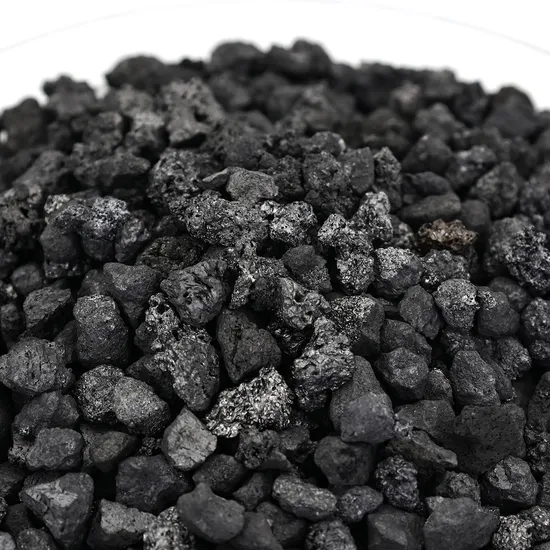
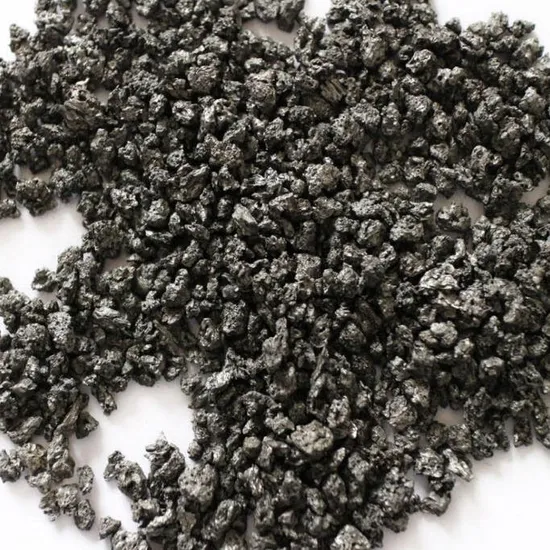
In the heart of modern metallurgy, where precision and performance are paramount, the search for cleaner, more efficient production materials is relentless. At Beifang Alloy, a leading ferroalloy factory committed to innovation and sustainability, we are closely examining a significant development: the rise of biochar as a renewable carbon additive. This emerging material promises to reshape procurement strategies and production paradigms across the ferroalloy and steel industries.
This article explores the potential of biochar from a practical industrial perspective, focusing on procurement needs, industry research, procurement guidelines, and supplier comparison.
For ferroalloy producers like Beifang Alloy, carbon additives (such as coke, coal, and charcoal) are essential. They act as reductants, removing oxygen from metal oxides to produce pure metals. Our procurement criteria are strict:
High Fixed Carbon: For efficient reduction and yield.
Low Impurities: Especially low ash, sulfur, and phosphorus to ensure alloy purity.
Consistent Reactivity: For predictable furnace performance and energy management.
Cost-Effectiveness: Stable supply at a competitive total cost.
Sustainability: Increasingly, reducing the carbon footprint of our products is a key market and regulatory demand.
Biochar—produced by pyrolyzing biomass like wood chips, agricultural waste, or dedicated energy crops—presents a compelling proposition. It offers high carbon content, low inherent sulfur, and, crucially, is considered carbon-neutral or even carbon-negative when sourced sustainably. It directly addresses the dual need for performance and environmental stewardship.
The body of research around biochar in metallurgy is growing rapidly. Key findings indicate:
Technical Performance: Studies show that high-quality biochar can match or even surpass conventional carbon additives in terms of fixed carbon and reactivity in certain applications. Its porous structure can enhance reaction kinetics.
Impurity Profile: Biochar typically has ultra-low sulfur content, a significant advantage for producing high-grade, low-sulfur ferroalloys. Attention must be paid to its ash composition (e.g., alkali metals) depending on the feedstock.
Environmental Impact: Lifecycle assessments (LCAs) consistently demonstrate a substantially lower CO2 footprint compared to fossil-based carbons. This aligns with global trends toward “green steel” and low-carbon ferroalloys, offering a tangible value proposition to downstream customers.
Challenges: The primary hurdles identified are bulk density (lower than coke, affecting transportation and handling), variable quality based on feedstock and production process, and current scale of production compared to massive industrial demand.
The consensus is that biochar is not a blanket replacement but a strategic supplement or alternative for specific product lines where its properties offer a clear technical or environmental advantage.
For fellow industrial buyers considering biochar, Beifang Alloy suggests a focused due diligence framework:
Specification First: Define precise technical requirements: Fixed Carbon (FC%), Volatile Matter (VM%), Ash %, Sulfur %, Phosphorus %, moisture, and particle size. These are non-negotiable starting points.
Feedstock Audit: Demand transparency on feedstock source (e.g., hardwood, bamboo, nutshells, clean forestry residues). Consistency in feedstock is the root of consistent biochar.
Process Verification: Understand the pyrolysis technology (slow/fast, reactor type, temperature control). This directly determines the biochar’s chemical and physical properties.
Certification & Data: Require third-party lab analysis certificates for each batch. Seek sustainability certifications (e.g., European Biochar Certificate – EBC) that verify feedstock sustainability and production standards.
Logistics & Handling: Assess bulk density, dustiness, and storage requirements. Develop handling protocols tailored to a lighter, more abrasive material than traditional coke.
The biochar supply market is evolving from agricultural-grade to industrial-grade producers. When comparing suppliers, look beyond price:
| Comparison Factor | Traditional / Basic Supplier | Advanced / Industrial-Grade Supplier | Why It Matters to Beifang Alloy |
|---|---|---|---|
| Primary Focus | Agricultural soil amendment | Industrial reduction & metallurgy | Product is engineered for our use case. |
| Feedstock Control | Variable, often mixed waste streams | Tightly controlled, single or blended feedstocks | Ensures consistency in impurity profile and reactivity. |
| Production Process | May lack precise thermal control | Advanced pyrolysis with strict temp/atmosphere control | Guarantees high fixed carbon and desired microstructure. |
| Quality Assurance | Basic COA, possible inconsistency | Batch-by-batch full elemental analysis, traceability | Risk mitigation for alloy quality and furnace stability. |
| Technical Support | Limited | Offers R&D collaboration, trial support, handling advice | Partnership approach to integrate a new material successfully. |
| Scale & Reliability | Smaller, seasonal | Designed for large-scale, continuous industrial supply | Secures reliable supply for continuous furnace operations. |
A Strategic Addition, Not Just a Substitute
The rise of biochar is more than a trend; it is a meaningful step toward decarbonizing the metallurgical industry. At Beifang Alloy, we believe that high-grade, renewable carbon additives like biochar have a definitive role in meeting future industrial demands—both market-driven and regulatory.
The question is not if biochar can meet demands, but how and where it can be optimally integrated. Success requires rigorous supplier selection, controlled in-plant trials, and a willingness to adapt processes. It represents an investment in product differentiation, sustainability credentials, and long-term resilience.
As we continue to innovate for a stronger, greener future, Beifang Alloy is actively engaging with this evolution, ensuring our procurement strategies and production technologies are ready for the renewable carbon era.
Beifang Alloy – Forging Quality, Powering Sustainability.
Contact Us: For further discussion on innovative materials for metallurgy, visit our website at www.beifangalloy.com or reach out to our technical team at info@hnxyie.com.