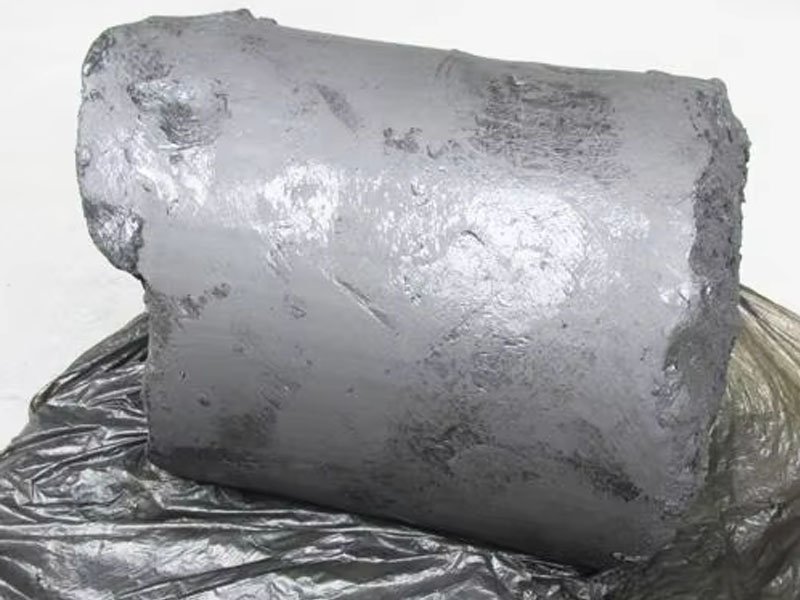
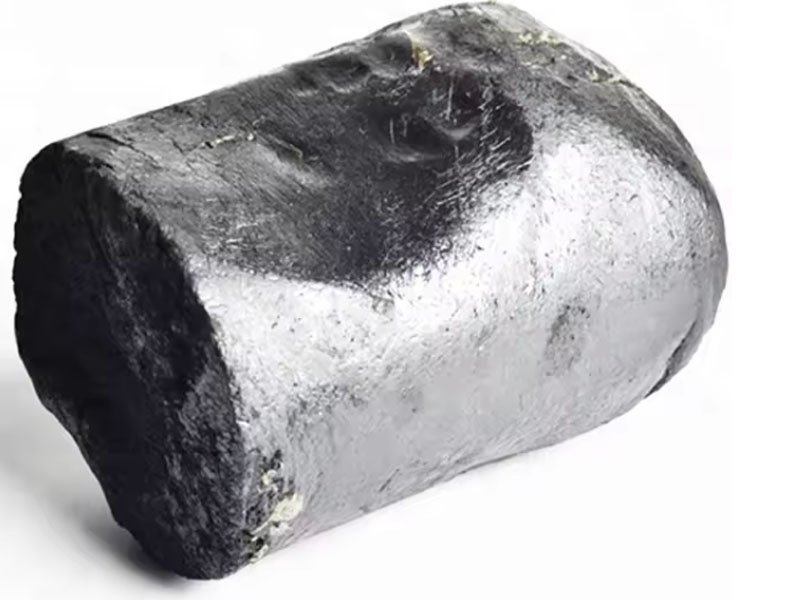
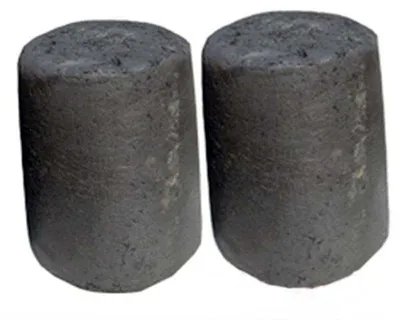
At blast furnace tapholes in ferroalloy plants, taphole clay is the core consumable that determines taphole stability and molten metal quality. Procurement professionals and technicians often face a deceptively simple but critical question: When you pinch taphole clay by hand, is “hard with soft” better, or “soft with hard”?
This is not a matter of hand-feel preference. It is a contest among three key performance indicators: plasticity, extrudability, and hardenability. This article breaks down the correct understanding of taphole clay plasticity from four perspectives: procurement needs, industry research, procurement guidelines, and supplier comparison.
From the perspective of a ferroalloy plant (such as Beifang Alloy), buying taphole clay is not purchasing “a lump of mud” – it is purchasing “stable taphole longevity.”
The plasticity of taphole clay directly determines three on-site performance metrics:
Smooth mud injection: If plasticity is too low, mud gun pressure spikes, injection volume falls short, and taphole depth is insufficient. If plasticity is too high, the clay softens prematurely inside the gun and fails to seal effectively.
Tight sealing: After entering the taphole, the clay must harden rapidly at high temperature. If the plasticity retention time is insufficient, sintered strength suffers, leading to “self-opening” or molten iron leakage.
Smooth tapping: If the clay sinters too hard, drill bits cannot penetrate, forcing operators to use oxygen lances – increasing consumable costs and disrupting production rhythm.
Key judgment criterion: The plasticity of taphole clay must match the specific furnace conditions – furnace capacity, tapping frequency, taphole depth, and opening method (mechanical drilling vs. oxygen burning) all vary. There is no one-size-fits-all “best hand feel.”
Pinching clay by hand is an on-site empirical practice. But scientific plasticity evaluation relies on quantitative indicators.
Research shows that taphole clay performance is governed by the binder system, which falls into three main categories:
| Binder Type | Representative Material | Plasticity Characteristics |
|---|---|---|
| Pitch-bonded | Coal tar pitch | Good plasticity, but high PAH content (carcinogenic) |
| Resin-bonded | Phenolic resin | High low-temperature strength, but prone to premature hardening |
| Combination binder | Tar + resin blend | Tunable performance, balancing plasticity and strength |
In industry research, plasticity is evaluated through Workability and Marsh Value / MEP (Mud Extrusion Pressure). For example, one study sets the target workability at ≥38% – below this threshold, the clay struggles to extrude from the mud gun.
Critically, clay plasticity changes over time (aging) and with heat exposure (thermal hardening):
Aging (21 days room-temperature storage): Traditional coal-tar-pitch-bonded clay shows workability loss of 14.2%, with extrusion pressure first rising then falling – causing unstable injection volumes.
Thermal hardening (60°C simulating mud-gun heating): Traditional clay loses nearly half its workability, with extrusion pressure climbing steadily – making injection difficult after prolonged furnace downtime.
Research conclusion: The glycerol + phenolic resin combination binder system demonstrates the best aging and thermal-hardening resistance, with minimal workability loss and the most stable extrusion pressure. This means it can remain inside the mud gun for longer periods without “setting up.”
Based on the above principles, the following points should be emphasized when procuring taphole clay:
Though imprecise, on-site hand-pinching is a quick screening method. Drawing from industry experience:
“Hard with soft”: You feel resistance when pinching, but it deforms under pressure and does not stick to your fingers. This typically indicates moderate plasticity – the binder is evenly distributed and aggregate gradation is reasonable. It forms easily during injection and provides adequate sintered strength after sealing.
“Soft with hard”: It deforms with light pressure, even sticks to your fingers, yet you feel hard lumps when pressing harder. This likely means excessive binder or poor aggregate gradation – high volatiles at elevated temperatures cause shrinkage and cracking, leading to poor sealing.
Recommendation: Prefer “hard with soft” as the directional choice – but always verify with quantitative indicators.
Following Beifang Alloy’s procurement practice, the following metrics should be specified in contracts:
| Parameter | Recommended Value / Method |
|---|---|
| Workability | Target ≥38% (ASTM C181 method), with agreed maximum change rate after 21-day aging |
| High-temperature MOR | ≥5.0 MPa @ 800°C (nitrogen atmosphere) |
| Linear change rate | -0.3% ~ +0.3% |
| Batch consistency | Reserve right for random sampling of 5 batches; deviation tolerance with penalty clauses |
A supplier charging RMB 100/ton less may seem attractive – but if it forces you to seal the taphole twice more per day and burn two more oxygen lances, the monthly total cost actually rises. The true metric to calculate is Cost Per Ton of Hot Metal (CPTHM), not the per-ton price of clay.
| Evaluation Dimension | Type A: Local Small Mill | Type B: Regional Producer | Type C: R&D-Driven Major Manufacturer |
|---|---|---|---|
| Plasticity control | Relies on artisan experience; high batch-to-batch variation | Basic testing in place; plasticity acceptable | Workability and MEP fully inspected; aging/thermal-hardening data traceable |
| Actual CPTHM | Seemingly low price; actual ≥ $0.009/THM | Moderate ($0.006–0.007) | Optimal ($0.0047–0.0053) |
| Environmental (PAH) | Coal tar based; heavy yellow fume | Partially modified | Resin/glycerol system; low or zero smoke |
| Suitability for Beifang Alloy | Not recommended | Acceptable for short trial | Highly recommended |
Key advice: Require suppliers to provide historical plasticity data from at least 5 batches and accept random verification testing. Consistent plasticity is far more important than a “good hand feel.”
When pinching taphole clay by hand – “hard with soft” is generally preferable to “soft with hard” – but this is only the starting point. True plasticity assessment must combine workability, extrusion pressure, aging stability, and thermal-hardening behavior with quantifiable data.
For a ferroalloy plant, selecting taphole clay is essentially choosing a partner who can reliably guard your taphole.
Beifang Alloy – as both a ferroalloy producer and a taphole clay user – firmly believes that scientific procurement decisions come from data, not hand feel or low price.
Beifang Alloy – A Ferroalloy Plant That Understands Taphole Clay Performance
🌐 www.beifangalloy.com
📧 info@hnxyie.com