In blast furnace casthouse operations, the choice of drill bit diameter for the taphole drill is never arbitrary. One size up or one size down directly impacts tapping efficiency, furnace stability, and even hearth safety. And one of the key factors determining this choice is precisely the characteristics of the taphole clay formula. As a player in the ferroalloy and refractories industry, Beifang Alloy (www.beifangalloy.com), drawing on industry research and procurement practice, unpacks the logic behind this.
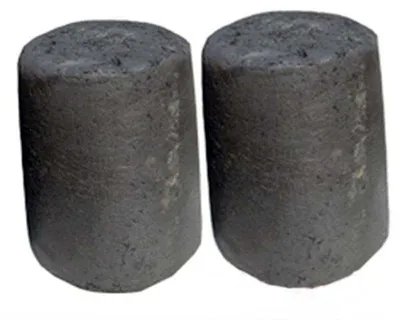
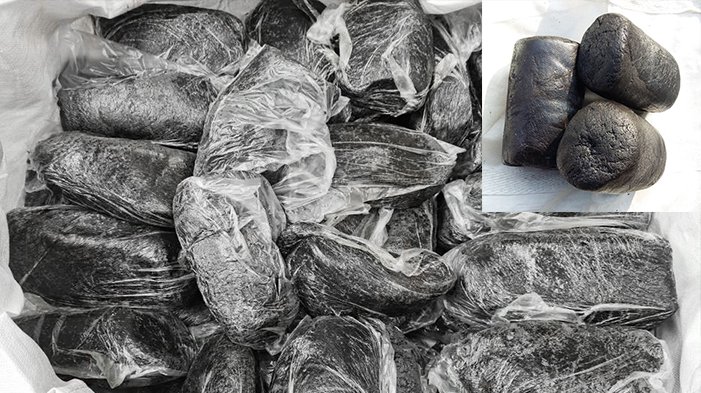
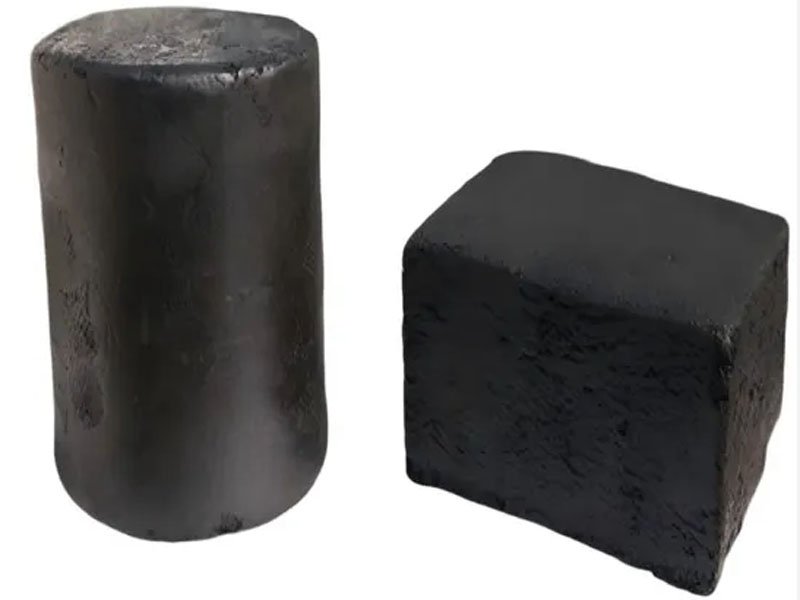
When procuring taphole clay, price and basic physico-chemical indicators alone are not enough—the compatibility with the on-site drill bit diameter must be assessed simultaneously. One of the core functions of taphole clay is “easy opening”—it must seal effectively while allowing the drill bit to penetrate smoothly. If the taphole clay formula is poorly designed and the sintering strength is too high, the drill bit will struggle to break through, forcing operators to use a larger drill bit diameter or change drill rods frequently, ultimately driving up overall costs.
Key procurement indicators: When requesting quotes (for example, recent zirconium-based taphole clay procurements have explicitly required indicators such as bonding strength), proactively provide suppliers with the commonly used drill bit diameter range and drill rig parameters at your plant, and request that they optimize the taphole clay formula accordingly. The “Marshall value” (plasticity) and “sintering strength” of the taphole clay directly affect its drillability, which must be matched to the drill bit diameter and the impact energy of the drill rig.
Industry research has established a clear logic for selecting drill bit diameter based on furnace conditions. Taking the practice at ArcelorMittal South Africa as an example, their blast furnaces operate with a well-defined decision tree:
Standard diameter: For stably operating furnaces, a standard drill bit diameter (e.g., 42mm or 46mm) is used as the baseline for routine operations.
Dynamic adjustment: In specific furnace conditions, the drill bit diameter should be increased:
Tapping temperature above normal range (e.g., >1500°C)
Hot metal silicon content below normal (Si < 0.8%)
No slag observed 60 minutes after taphole opening
Tapping duration too short (< 1 hour 20 minutes)
The core logic behind these adjustments is: Under high production rhythm, a larger diameter drill bit is needed to accelerate hearth drainage and prevent hearth buildup or freezing. The taphole clay formula, particularly the maximum particle size, directly affects its erosion resistance and its ability to fill micro-cracks in the hearth. Studies show that taphole clay with a maximum particle size of 1mm (e.g., ECOTAP 232M) is more effective at filling micro-cracks in the taphole area than clay with a 3mm maximum particle size (e.g., ECOTAP 260MS). When procuring, attention should be paid to whether the maximum particle size of the taphole clay matches the intended drill bit diameter and taphole maintenance requirements.
For the procurement side, when signing a taphole clay supply contract, the following technical coordination requirements should be clearly specified:
Provide core formula parameters: Require the taphole clay supplier to clearly specify the sintering strength curve at different temperatures and the maximum particle size of their product. In anhydrous taphole clay formulas for blast furnaces, the Al₂O₃, SiC, and F.C contents vary, directly affecting sintering behavior and drilling difficulty.
Establish a dynamic adjustment protocol: In the procurement technical agreement, stipulate that when taphole clay batches change or furnace conditions fluctuate, the supplier shall cooperate in conducting drill bit diameter compatibility tests. The emergency taphole clay procurement by Lingyuan Steel explicitly required supply based on technical indicators such as furnace volume and TiO₂ content, reflecting the principle of precise matching.
Quality-first principle: The cost-reduction experience of HBIS Wuyang Steel’s ironmaking plant shows that adhering to a “quality first, price second” approach in taphole clay procurement—through trial use before signing annual contracts—effectively avoids difficulties in taphole opening caused by poor-quality clay, frequent drill bit changes, or taphole repairs, thereby achieving true optimal total cost.
When selecting suppliers of taphole clay and supporting ferroalloys, it is advisable to assess their technical collaboration capabilities. Beifang Alloy, as a company deeply engaged in the ferroalloy and refractories sector, leverages Anyang’s local industrial cluster advantages to offer extensive experience in supplying key raw materials for taphole clay, such as silicon carbide and silicon metal powder.
Compared with ordinary traders, Beifang Alloy’s advantages lie in:
Raw material and formula synergy: We have a deeper understanding of how additives such as SiC and silicon metal powder in taphole clay affect sintering performance and drillability, enabling us to provide more suitable raw material recommendations.
Responsive to customized needs: We can collaborate with taphole clay manufacturers to optimize raw material particle size gradation according to your specified drill bit diameter and drill rig parameters.
One-stop procurement service: From ferroalloys to taphole clay raw materials, we offer integrated supply solutions, reducing intermediary steps and ensuring traceable quality.
Whether the drill bit diameter should be one size larger or smaller is never an isolated question. It is closely linked to the taphole clay formula design, sintering behavior, and particle size gradation. In procurement and on-site operations, establishing a systematic “drill bit–taphole clay” matching mindset is key to achieving stable, efficient, and low-cost blast furnace tapping. For more advice on taphole clay formula and ferroalloy raw material compatibility, feel free to contact Beifang Alloy (info@hnxyie.com).