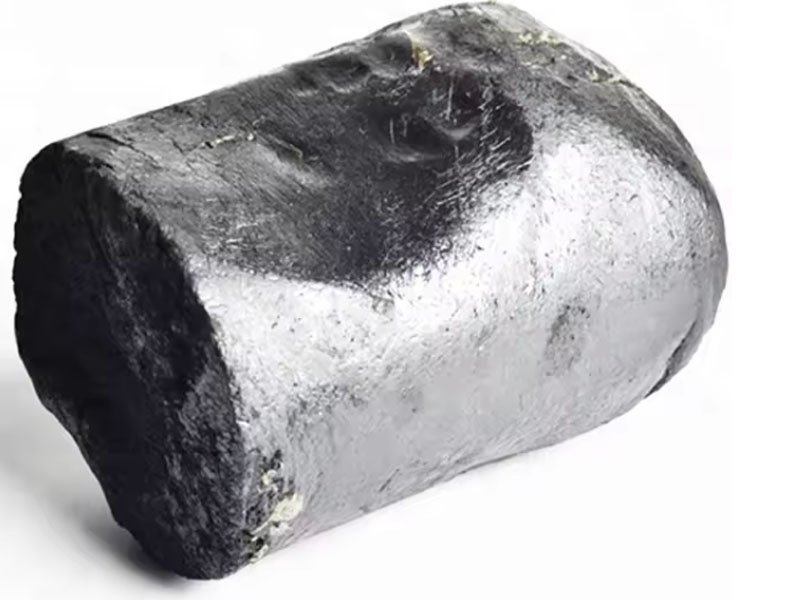
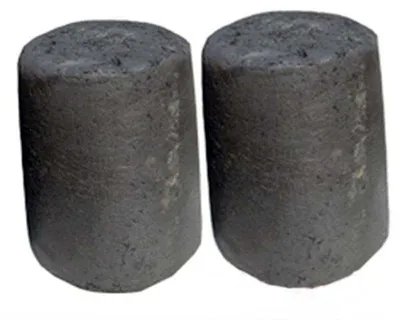
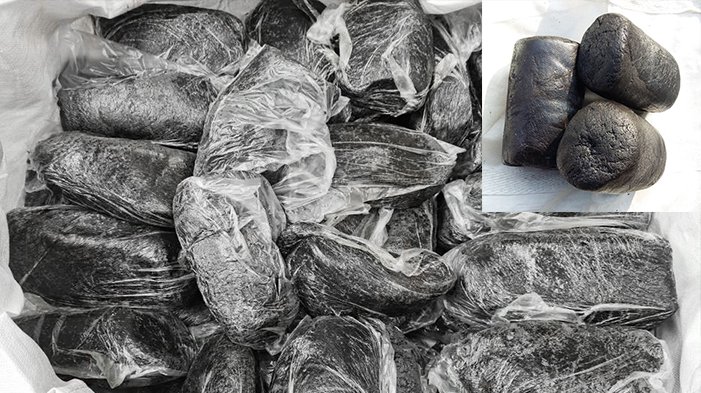
In ferroalloy smelting, taphole clay may appear to be just a consumable, but it directly determines the stability of the taphole, tapping efficiency, and even the overall safety of the furnace forehearth. There is a common misconception in taphole clay management across many plants: they focus only on “price per ton,” while ignoring the seasonal performance variations of the clay.
High summer temperatures cause taphole clay to soften, cake, and lose extrudability; winter cold makes it hard, reduces plasticity, and makes mud injection difficult. The impact of seasonal changes on taphole clay is far greater than most realize. As a company that both produces ferroalloys and conducts in-depth research on taphole clay applications, Beifang Alloy addresses this issue from four perspectives – procurement needs, industry research, procurement guide, and supplier comparison – to provide a comprehensive approach to seasonal taphole clay management.
Many procurement departments treat taphole clay as a standard product – buying the same specification in summer as in winter. But different seasons and different furnace conditions demand fundamentally different clay properties.
Loss of plasticity: Under high-temperature environments, the binders (e.g., coal tar pitch) in the clay volatilize faster, causing the clay to harden and cake, increasing extrusion pressure and making mud injection difficult
Accelerated sintering: Higher ambient temperatures cause the clay to sinter faster inside the taphole, leading to difficulties in opening the taphole or even blowout accidents
Storage degradation: Extended storage in high-temperature warehouses significantly deteriorates clay performance
Insufficient plasticity: The clay becomes brittle in cold conditions; reduced plasticity leads to mud breakage and inadequate compaction during injection
Preheating requirements: Clay must be preheated to an appropriate temperature to ensure good extrudability and sintering performance
Cracking risks: Rapid cooling after extrusion from the mud gun in winter can cause cracks, compromising taphole sealing effectiveness
Has your plant implemented the following measures?
Cool-storage measures in summer (avoiding prolonged storage of clay in high-temperature environments)
Preheating equipment in winter (ensuring appropriate clay temperature before extrusion)
Seasonal formula adjustments (modifying binder ratios to adapt to temperature and humidity changes)
Daily plasticity testing protocols (ensuring each batch meets quality standards before use)
Key Insight: You are not buying taphole clay – you are buying stable taphole service. Without seasonal management, even the most expensive clay will underperform.
Taphole clay consists of refractory aggregates, fines, and binders. The binder determines plasticity, sintering behavior, and temperature adaptability. Mainstream binder systems in the industry include:
| Binder Type | Advantages | Disadvantages | Seasonal Adaptability |
|---|---|---|---|
| Coal tar pitch / Asphalt-based | Good plasticity, high sintered strength | High-temperature volatility; high PAH content (toxic) | Summer cool-storage required |
| Phenolic resin-based | Fast low-temperature curing, good adhesion | Higher cost; brittleness in extreme cold | Moderate seasonality; limited temperature window |
| Modified petroleum resin-based | Balanced plasticity and thermal stability; lower toxicity | Relatively new technology | Broader temperature tolerance |
Leading domestic and international refractory research institutions have proposed a “seasonal formulation adjustment” strategy:
Summer formulation: Reduce the proportion of low-softening-point binders to prevent excessive softening; appropriately increase the content of high-temperature sintering aids
Winter formulation: Increase plasticizer content to compensate for plasticity loss at low temperatures; improve low-temperature extrusion performance with special additives
| Parameter | Summer Standard | Winter Standard | Remarks |
|---|---|---|---|
| Storage temperature | ≤ 30°C | ≥ 10°C | Avoid extreme temperatures |
| Pre-extrusion temperature | 35–40°C | 45–55°C | Preheat to ensure plasticity |
| Moisture content | ≤ 3% | ≤ 3% | Strict control required year-round |
| Plasticity index | 35–45% (adjusted) | 40–50% (adjusted) | Higher plasticity needed in winter |
1. Winter supply specifications:
Increase low-temperature plasticity: ≥ 45% (general standard 40%)
Add low-temperature extrusion performance indicators
Require preheating recommendations and temperature-time curves from the supplier
Specify cold-cracking resistance test methods
2. Summer supply specifications:
Add heat-storage stability indicators: ≤ 5% performance degradation after 7 days at 40°C
Set stricter moisture content limits (≤ 2.5%)
Require supplier to provide cool-storage logistics solutions
| Clause Category | Specific Requirements |
|---|---|
| Seasonal formula switch | Supplier to provide dedicated formulas for summer and winter; switching to be specified on packing slips |
| Incoming inspection | Each batch to include plasticity and moisture content test reports; random inspection upon arrival |
| Performance guarantee | Supplier to clearly specify valid service life under different seasonal storage conditions (e.g., guaranteed ≤ 7 days in summer) |
| Technical support | Supplier to provide pre-shipping seasonal treatment recommendations and storage guidelines |
Summer focus: moisture content, plasticity (quick testing), storage stability, caking tendency
Winter focus: plasticity (low-temperature equilibrium), extrusion pressure, impact resistance
Daily: visual inspection, odor comparison, binder content rapid analysis
| Evaluation Dimension | Weight | Evaluation Points |
|---|---|---|
| Seasonal formula R&D capability | 25% | Whether summer/winter formulas are independently developed; frequency of technical iterations |
| Temperature control logistics | 20% | Storage/transportation temperature control capabilities, summer cool-chain and winter insulation measures |
| Quality stability | 25% | Batch-to-batch consistency; whether plasticity/moisture content ranges are tight; whether seasonal variation is controlled |
| Technical service | 15% | Whether seasonal adjustment recommendations and problem response can be provided on-site |
| Price & cost performance | 15% | Whether different pricing mechanisms are offered for summer/winter formulations |
❌ Single formula sold year-round without seasonal adjustment
❌ No dedicated storage facilities (or unable to provide temperature/humidity records)
❌ Incoming test reports show wide plasticity variation (CV > 10%)
❌ Technical team lacks furnace-front service experience
❌ No emergency response mechanism in place
As a ferroalloy producer with extensive practical experience on the furnace front, our quality assurance system covers:
Formula R&D: Special formulations independently developed for summer and winter, optimized through extensive furnace trials
Production control: Strict raw material screening and production processes, ensuring batch-to-batch consistency
Temperature-controlled logistics: Whole-process temperature monitoring from factory to delivery, with dedicated summer cool-storage and winter insulation measures
Technical support: Experienced furnace-front engineers providing on-site guidance on seasonal clay management and usage
Emergency response: 24/7 technical support for quality issues arising during use
Warehouse temperature monitored and recorded daily (target ≤ 30°C)
Clay stacked separately by delivery batch (strict FIFO for incoming batches)
Summer-specific formula confirmed with supplier and received
Plasticity tested before each use; return if unqualified
Date marking implemented to avoid prolonged storage
Preheating equipment operational and up to standards
Preheat temperature and duration confirmed with supplier
Insulation measures in place during transport and storage
Temperature monitoring in place before extrusion
Preventive measures identified for rapid cooling after extrusion
Taphole clay is not a standardized consumable – it is a seasonal, condition-responsive functional material. Plants that fail to adjust their clay management for the seasons will inevitably experience quality fluctuations, resulting in taphole sealing failures, difficult opening, frequent accidents, and ultimately reduced furnace service life.
Summer “sun protection & cooling,” winter “insulation & preheating” – this is not just a slogan, but a reflection of refined, professional management. It is also the fundamental difference between buying cheap clay and buying stable taphole service.
Beifang Alloy is a professional manufacturer dedicated to the ferroalloy industry, integrating ferroalloy production with taphole refractory research and application. With years of furnace-front practical experience, we deeply understand the challenges and pain points of the smelting process, committed to providing customers with not just quality ferroalloy products, but comprehensive technical solutions for taphole management.Website: www.beifangalloy.com
Email: info@hnxyie.com