— A Procurement Perspective on the “Hidden Costs” of Taphole Clay Selection
In the daily production of ferroalloy smelting furnaces, the willingness and efficiency of front-of-furnace workers directly impact the stability of tapping operations and overall production rhythm. The question of “why workers are reluctant to clean taphole clay” is often debated within the industry from two angles: is it due to excessive physical labor, or is the clay material itself too adhesive and difficult to open?
As a company that integrates ferroalloy production with refractory material supply, Beifang Alloy combines our own operational experience and industry observations to conclude that the answer is not an either/or choice—it is the result of both factors reinforcing each other. And the deeper root cause often traces back to the procurement and selection phase of taphole clay.
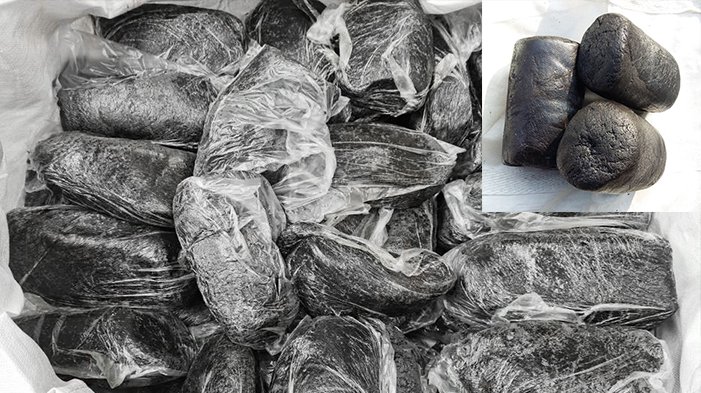
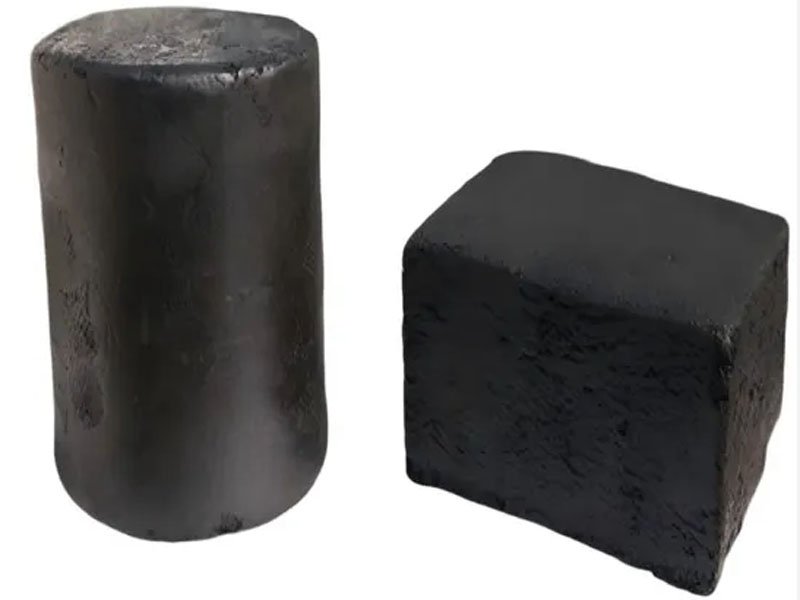
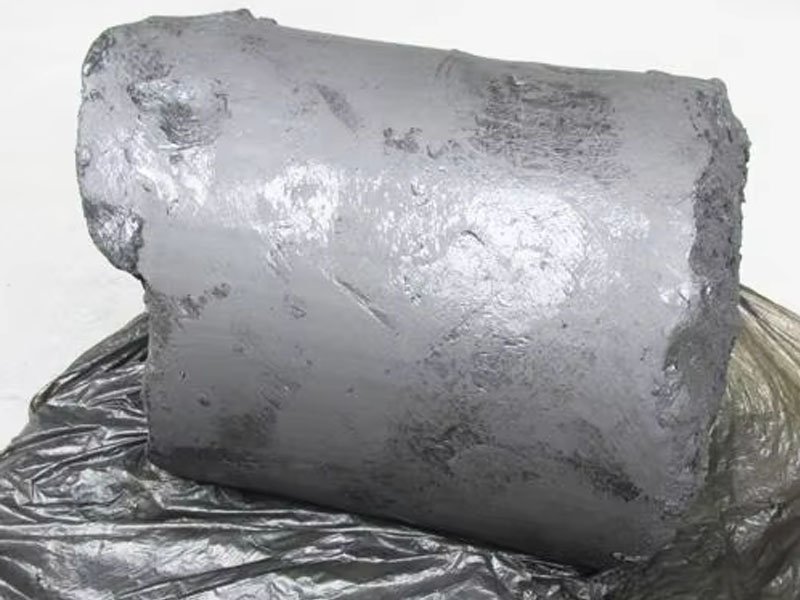
In actual operations of submerged arc furnaces, the performance of taphole clay directly determines the workload of front-line workers.
Labor intensity stems primarily from tapping difficulty and tapping frequency. If the clay has excessively high sintering strength or poor plasticity, workers will struggle when drilling with the taphole opener, and may even need to frequently use oxygen lances for burn-through. This not only extends working time in high-temperature environments but also significantly increases physical exhaustion. Particularly when the taphole enlarges rapidly due to insufficient erosion resistance of the clay, leading to shortened tapping cycles and more frequent plugging operations, the repetitive workload multiplies.
Material adhesion, on the other hand, manifests in sealing performance during plugging and resistance during cleaning. Taphole clay needs adequate cohesiveness to effectively seal the taphole and resist slag/iron erosion. However, if the formulation is improper (e.g., imbalance in binder ratios), the clay may over-sinter at high temperatures, resulting in an abnormally hard taphole channel, or excessive adhesion to the furnace wall and mud gun nozzle, dramatically increasing cleaning difficulty.
The bottom line: Excessive adhesion directly causes the surge in labor intensity. Workers facing tapholes that are extremely hard to drill or prone to “freezing” often develop resistance due to frequent physical overexertion.
When procuring taphole clay, most ferroalloy enterprises focus on price and refractory specifications, yet often overlook a core variable—worker experience.
With increasingly stringent national regulations on environmental protection and occupational health, traditional clay formulations using tar and pitch as binders—known for high volatile content and pungent odors—are being phased out. Sometimes, workers are reluctant to clean taphole clay not purely because of physical strain, but because inferior clay releases hazardous fumes (such as benzo[a]pyrene) at high temperatures, causing both physiological and psychological aversion.
Therefore, modern procurement strategies should prioritize “easy application, easy opening, smokeless, and low-dust” characteristics. For instance, taphole clay utilizing environmentally friendly binders (such as modified resins or composite oils) not only reduces harmful substance content but generally provides more stable sintering performance, making tapholes both easier to open and adequately erosion-resistant.
Industry research data shows that different furnace types and different ferroalloy grades have vastly different requirements for taphole clay. Silicomanganese furnaces demand resistance to acidic slag and low permeability, ferrochrome furnaces require resistance to high-temperature oxidation and erosion, while ferronickel furnaces need resistance to the strong oxidizing nature of high-FeO slags.
If the procured clay does not match the furnace conditions, it creates the illusion of “excessive material adhesion.” For example, using blast-furnace clay directly in a ferrochrome furnace may cause the clay to over-sinter due to insufficient temperature resistance, hardening the taphole. Conversely, using ferrochrome clay in a silicomanganese furnace may cause excessive carbon content to accelerate slag penetration, making plugging difficult. Incorrect material selection directly translates into increased labor burden for workers.
To address the issue of difficult cleaning, procurement departments are advised to pay attention to the following hard indicators and evaluation methods when assessing suppliers:
Balanced Sintering and Drilling Performance: Require suppliers to provide strength curves at specific temperatures. Quality clay should exhibit “rapid low-temperature curing for sealing, yet easy high-temperature drilling.”
Environmental Compliance Testing: Request third-party test reports, with particular focus on benzo[a]pyrene content (industry trends are moving toward increasingly lower limits) and fume emission indicators.
On-Site Trial System: Do not rely solely on static data. Conduct 3–7 days of production line trials, observing:
Smoothness of mud injection: Whether the clay can be smoothly extruded through the mud gun into the taphole.
Ease of opening: Whether drilling time is reduced and frequency of oxygen lancing is minimized.
Taphole depth stability: Whether consistent taphole depth can be maintained, reducing emergency plugging caused by “run-out” iron.
We categorize taphole clay suppliers into three types and compare them against the goal of “reducing workers’ labor intensity” :
| Comparison Dimension | Entry-Level Supplier (Price-Driven) | Regional Manufacturer (Capacity-Driven) | Technology Partner (e.g., Beifang Alloy) |
|---|---|---|---|
| Product Strategy | Single formulation, universal shipping | Categorized by basic furnace type | Customized by alloy type (FeSi/FeMn/CrFe, etc.) |
| Focus on Worker Experience | Not a concern—only ensures sealing | Pays basic attention to opening ease | Integrated focus on “low fume + easy drilling + low wear” |
| On-Site Service Capability | No technical service; shipping is the endpoint | Provides basic after-sales communication | On-site support to adjust formula plasticity based on worker feedback |
| Cost Philosophy | Price per ton only | Considers raw material costs | Pursues “lowest comprehensive cost per ton of metal” (including labor, oxygen, drill bit wear) |
Workers’ reluctance to clean taphole clay stems from a disconnect between material performance and actual furnace conditions. This is both a labor intensity issue and a material performance issue.
As a ferroalloy producer, Beifang Alloy understands the challenges faced by front-of-furnace workers. We not only produce ferroalloys but are also committed to developing taphole clay products that are better adapted to furnace conditions. Through customized formulation adjustments and strict environmental standards, we help smelters achieve “smoother tapping, faster opening, and cleaner working conditions” —fundamentally alleviating workers’ resistance to cleaning taphole clay.
Beifang Alloy
Professional Ferroalloy & Refractory Material Supply—Driving Efficient and Clean Smelting.
📞 Website: www.beifangalloy.com
📧 Email: info@hnxyie.com