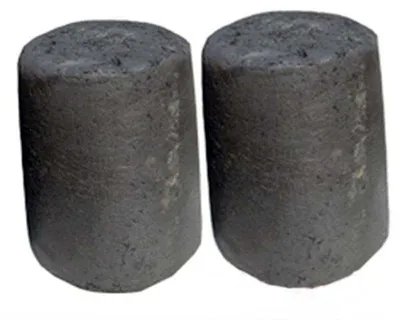
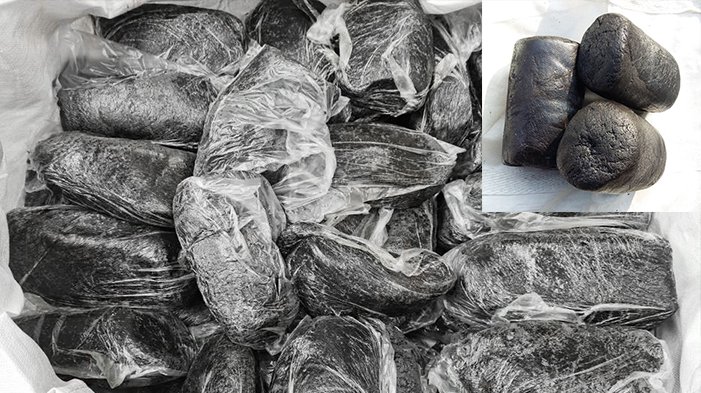
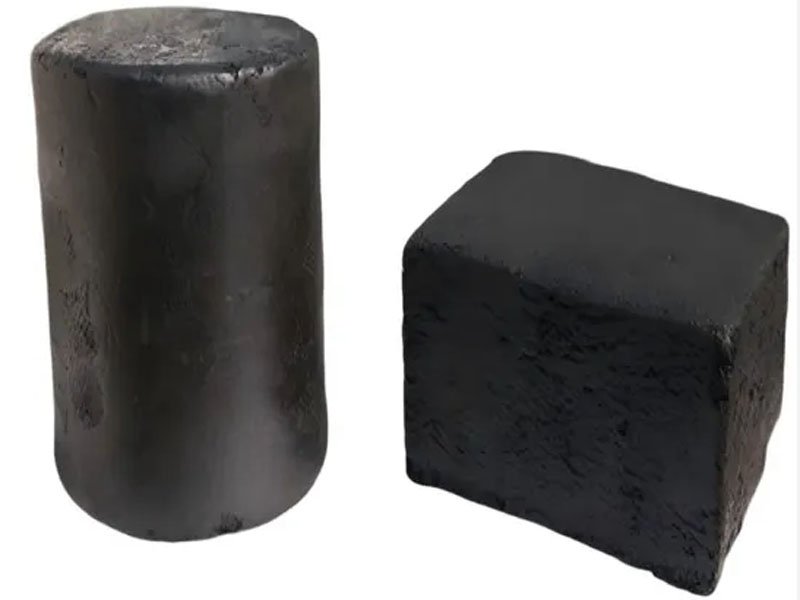
In ferroalloy smelting, taphole clay is a critical functional refractory material used to seal the taphole, maintain taphole depth, and ensure stable blast furnace operation. However, procurement and operations teams face two persistent challenges: Is tar truly unavoidable in traditional taphole clay? Are there eco-friendly alternatives that deliver equal or better performance?
As both a ferroalloy producer and a deep user of refractory materials, Beifang Alloy has compiled this practical guide based on our own operational experience and extensive industry research — covering four key dimensions: procurement needs, industry research, procurement guidelines, and supplier comparison.
Many procurement departments treat taphole clay as a commodity — whoever offers the lowest price wins the order. But the real cost driver isn’t “price per ton” — it’s “taphole clay cost per ton of hot metal produced.”
Before defining your procurement requirements, ask yourself these questions:
What furnace type are you operating? Blast furnace or submerged arc furnace? Different furnaces have vastly different requirements for drillability and erosion resistance.
What is your tapping frequency? More than 12 taps per day demands extremely high resistance to thermal shock and slag attack.
What is your target taphole depth? For example, 2.8–3.2 meters — the clay must consistently maintain this depth.
What are your environmental compliance requirements? Do you need smoke-free, odor-free, or low-VOC formulations?
Beifang Alloy’s view: You’re not buying taphole clay — you’re buying stable, predictable taphole life. Cheap clay that causes run-outs, broken tapholes, or frequent re-drilling will ultimately cost you far more.
Tar (coal tar) and pitch have long been used as binders in conventional anhydrous taphole clay. Tar contains various reactive organic compounds that, upon heat treatment, form an interconnected carbon network. This gives the clay excellent plasticity and lubrication, ensuring a dense, cohesive plug in the taphole channel. This performance advantage explains why tar-bonded clays remain widely used in large blast furnaces.
The issue isn’t performance — it’s environmental and health risks:
Contains known carcinogens: Coal tar contains benzo[a]pyrene at approximately 12,000–13,000 ppm, classified as a Group 1 carcinogen by IARC.
Emits yellow smoke during use: During heating and sintering, tar-based clays release pungent, acidic fumes and yellow smoke, significantly degrading the working environment.
Persistent odor: Tar odors cling to workers’ clothing and skin, affecting occupational dignity and morale.
The industry has developed several generations of alternatives over the years, with proven maturity:
| Alternative | Primary Binder | Advantages | Limitations |
|---|---|---|---|
| Resin-bonded clay | Phenolic resin | Low smoke, low odor, improved environmental profile | Poor plasticity, fast hardening, short shelf life, higher cost |
| Resin-tar hybrid | Resin + tar blend | Balances performance and environmental impact; proven in large blast furnaces | Still contains tar — PAHs not fully eliminated |
| Tar-free modified resin (e.g., AirGreen™) | Specialty resin with low free phenol | Zero coal tar content; IARC Group 3 (not classifiable as carcinogenic); low odor, low free phenol, low aldehydes | High R&D barrier; requires multiple iterations for stable performance |
| Modified lignin | Chemically modified lignin | Fully replaces tar and pitch; no hazardous volatiles; cost-effective | Industrial adoption is newer; requires case-by-case validation |
A noteworthy development: Nippon Steel’s Nagoya Works used resin-bonded clays before 2000 but found insufficient taphole depth and tapping duration. They switched to Krosaki’s tar-resin hybrid clay. Today, however, they have successfully transitioned to completely tar-free AirGreen™, achieving a “virtually odorless” working environment where odors no longer cling to workwear. This proves that tar-free, high-performance taphole clay is commercially mature and validated by major steelmakers.
The scientific cost formula is:
Taphole clay cost per ton of hot metal (USD/t HM) = (Single-plug consumption in kg × Unit price per kg) ÷ (Hot metal yield per tap in tons)
Industry benchmark data:
| Parameter | Low-Quality Clay | High-Quality Clay |
|---|---|---|
| Consumption per plug | 4–6 kg | ~3 kg |
| Unit price | ~$0.35/kg | ~$0.63/kg |
| Hot metal yield per tap | ~200 tons | ~400 tons |
| Cost per ton HM | $0.0088–0.0105 | $0.0047 |
Key takeaway: High-quality clay can reduce your per-ton hot metal cost by nearly 50% — and that’s before factoring in savings on drill rods, oxygen, and labor.
We recommend incorporating the following performance clauses into your technical agreement:
Quantified performance metrics: Plasticity index, high-temperature modulus of rupture (≥5.0 MPa at 800°C in nitrogen atmosphere), and linear change after firing.
Batch-to-batch stability requirements: Mandate random sampling across 5 batches with pre-agreed tolerance limits — include penalty clauses for deviations.
“In-gun hardening” test: Simulate gun conditions (80–120°C, 90 minutes); piston thrust increase must not exceed 50% of initial value, otherwise supplier bears liability for plugging failures.
On-site technical support: Require supplier-provided technical personnel to assist with adjusting mud gun pressure and volume settings during commissioning.
Based on industry research and our own sourcing experience, taphole clay suppliers generally fall into three tiers:
| Evaluation Criterion | Tier A: Local Traders | Tier B: Regional Producers | Tier C: R&D-Driven Major Manufacturers |
|---|---|---|---|
| Raw material control | Uses secondary grades; inconsistent particle size | In-house crushing/milling; generally stable | Direct sourcing of high-grade raw materials; tight batch-to-batch consistency |
| Actual cost per ton HM | Low upfront price, but real cost >$0.009 | Moderate ($0.006–0.007) | Best-in-class ($0.0047–0.0053) |
| Operational safety | High risk — frequent run-outs and breakouts | Moderate risk | High reliability — taphole pass rate >98% |
| Environmental profile | Strong tar odor; yellow fume emissions | Partially modified formulations | Resin-bonded; low-smoke or smoke-free |
| Recommended by Beifang Alloy? | ❌ Not recommended | ⚠️ For emergency/backup use only | ✅ Strongly recommended |
Beifang Alloy’s final recommendation:
Given the fluctuating furnace conditions and variable tap schedules typical in ferroalloy plants, Tier C suppliers are the clear optimal choice. Their unit price may be 10–20% higher, but based on the “cost per ton of hot metal” metric, total annual consumption costs can be reduced by 15–25%, while significantly improving workplace safety and environmental conditions.
Tar in taphole clay is a legacy of traditional manufacturing — but the industry has already developed mature, low-smoke, odorless alternatives. Tar-free, modified resin-bonded clays have been validated by major steelmakers, deliver reliable performance, produce virtually no odor, and contain no harmful PAHs.
As procurement professionals, we need to change our mindset — stop asking “how much per ton,” and start asking:
“What is my true taphole clay cost per ton of hot metal — and is my operating environment safe and sustainable?”
As both a ferroalloy producer and a hands-on user of refractory materials, Beifang Alloy is committed to sharing our experience and data with industry peers — to drive transparency and smarter supply chain decisions.
Website: www.beifangalloy.com
Email: info@hnxyie.com
We are both a ferroalloy producer and a real-world validator of taphole clay technology. We welcome dialogue and collaboration with industry peers.