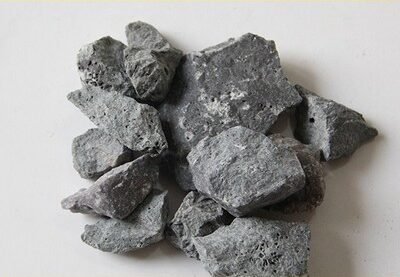
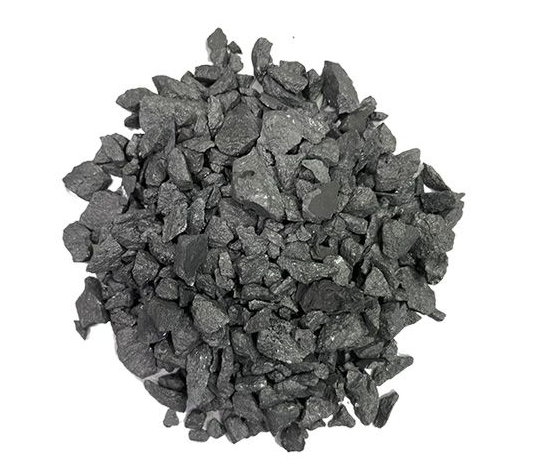
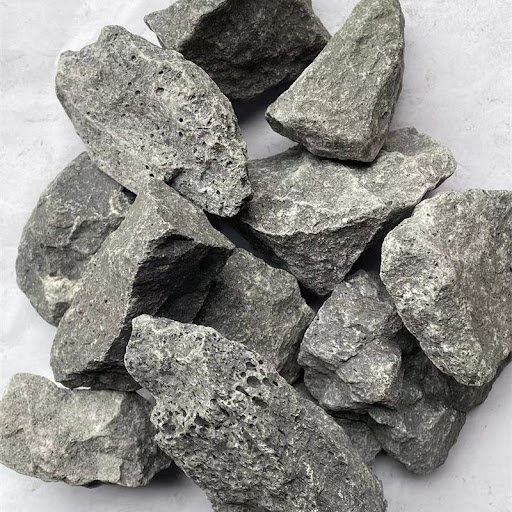
In the world of steelmaking, choosing the right deoxidizer is more than a technical decision—it’s a strategic one that impacts both product quality and the bottom line. Two products that often cause confusion in the procurement process are Silicon-Calcium-Manganese (Si-Ca-Mn) alloy and Calcium-Silicon (Ca-Si) alloy. They sound similar, and both are used for deoxidation, but they are fundamentally different materials.
If you are a procurement manager evaluating these two options, this article will help you understand the core differences by exploring procurement needs, market research, a procurement guide, and a supplier comparison.
The first step in any procurement decision is identifying the specific problems you need to solve on the production floor. Both alloys serve as deoxidizers, but they do so in different contexts.
Ca-Si Alloy (Calcium-Silicon) is primarily used for high-end, specialized production . It is known for its powerful deoxidation and desulfurization capabilities, but it is considered a premium product and comes at a higher cost. It is the go-to choice for producing high-quality steel, low-carbon steel, stainless steel, and special alloys like nickel-based or titanium-based ones . In the production of cast iron, it acts as an excellent inoculant, helping to form fine graphite structures .
Si-Ca-Mn Alloy (Silicon-Calcium-Manganese), on the other hand, is a more practical and cost-effective general-purpose deoxidizer . It is a composite alloy that combines the deoxidation power of silicon and calcium with the manganese required as an alloying element in almost all steels . This makes it ideal for standard steel production in electric arc furnaces or converters . It can also serve as a temperature-raising agent due to the exothermic reaction of its components .
Key Difference: Choose Ca-Si when you need to produce ultra-clean, specialized steel and can justify a higher cost. Choose Si-Ca-Mn for daily, cost-efficient deoxidation across a broad range of mainstream steel grades.
Market analysis reveals a clear differentiation in the supply chain and technological direction for these two products.
Ca-Si Alloy is a mature, standardized product. It is produced based on established international standards, such as the ASTM A495 specification, which also includes manganese and barium variations . The market is populated by specialized manufacturers that offer precise composition control (e.g., Ca30Si60 grade) .
Si-Ca-Mn Alloy is a more “modern” solution. Recent technological developments have focused on optimizing its composition. The drive has been to reduce the silicon content and increase the manganese content for specific applications . This adaptation improves the alloy’s density and the kinetics of steelmaking, making it particularly effective for producing “hard wire” products like tire cord and steel wire rope . The industry is moving towards more flexible compositions and forms (like briquettes and granules) to improve utilization rates and reduce dust in the workshop .
When making a decision, here are the critical factors to consider:
Ca-Si Alloy: High silicon and calcium content, very low carbon and impurities. A typical grade might contain 30% Calcium and 60% Silicon .
Si-Ca-Mn Alloy: A more balanced composition. One of the key selling points is its ability to add manganese to the steel, improving its strength and hardness, while the calcium and silicon work on deoxidation. Newer optimized grades may feature 25-50% Si, 10-25% Ca, and 20-45% Mn .
Ensure your supplier has the equipment to back up their quality claims. Look for manufacturers with:
In-house smelting (e.g., medium-frequency furnaces).
Full processing lines (crushers, briquetting machines, dryers) .
Quality control (Spectrometer testing) . SGS or BV certifications are also good indicators of a reliable exporter .
Different product forms affect your operation.
Lumps: Traditional and widely available.
Granules/ Briquettes: These are becoming increasingly popular for Si-Ca-Mn as they offer better composition uniformity, less dust, and higher utilization rates compared to traditional lumps .
Do not just look at the price per ton.
Ca-Si might have a higher purchase price.
Si-Ca-Mn can often replace part of the silico-manganese and ferrosilicon you are already using, potentially lowering the overall cost of the steelmaking process .
The table below provides a simplified comparison of the two typical product offerings available in the market:
| Feature | Ca-Si Alloy (e.g., Ca30Si60) | Si-Ca-Mn Alloy |
|---|---|---|
| Primary Function | High-purity deoxidation & desulfurization | Cost-effective deoxidation & alloying (adds Mn) |
| Typical Composition | High Si (58-65%), High Ca (28-30%), Low C | Moderate Si (25-50%), Ca (10-25%), Mn (20-45%) |
| Key Advantage | Superior for clean steel; excellent for cast iron inoculation | Multi-functional; reduces need for separate Mn alloy; improves fluidity |
| Application Focus | Special steel grades, special alloys | General steelmaking, converter shops (acts as a temperature booster) |
| Supplier Base (Example) | Established specialists, often in major mineral resource regions (e.g., Inner Mongolia) | Major manufacturers like Beifang Alloy, based in the Anyang ferroalloy cluster, with advanced production lines and customized offerings . |
The gap between Si-Ca-Mn and Ca-Si alloy is not a mystery—it’s defined by your production requirements.
Choose Ca-Si Alloy if you are manufacturing high-end, clean steel where purity is critical and the application allows for the higher cost of a specialized deoxidizer.
Choose Si-Ca-Mn Alloy if your primary goal is to improve the overall cost-effectiveness of your steelmaking process, improve molten steel fluidity, and simultaneously add manganese as an alloying element.
At Beifang Alloy, we specialize in helping steelmakers optimize their deoxidation processes. As a manufacturer based in Anyang, we offer customized Si-Ca-Mn solutions in various forms to meet your specific needs.
Contact Us:
Website: www.beifangalloy.com
Email: info@hnxyie.com