In the steelmaking industry’s pursuit of cost reduction and efficiency improvement, Calcium Silicon Manganese (Ca-Si-Mn) deoxidizer is transitioning from a “supporting role” to a “leading player.” This composite alloy has captured the attention of many industry professionals—but can it truly accomplish deoxidation, desulfurization, and alloying all at once? As the technical team of Beifang Alloy, a ferrous alloy manufacturer, we combine industry research with practical procurement experience to provide you with an in-depth analysis.
From a chemical composition standpoint, the core value of Ca-Si-Mn alloy lies in the precise division of functions among its elements:
Silicon (Si) & Manganese (Mn): Both have a strong affinity for oxygen, making them classic deoxidizing elements. Meanwhile, manganese serves as a crucial alloying element that enhances steel’s strength and toughness.
Calcium (Ca): Acts as a “purifier.” It not only provides deep deoxidation but also serves as an efficient desulfurizer. Furthermore, it modifies the morphology of inclusions in steel, prevents clogging in continuous casting nozzles, and improves molten steel fluidity.
When combined, these three elements can indeed trigger three metallurgical reactions simultaneously in a single addition. However, this is not a simple “one-click solution”—it demands precise formulation ratios and proper application techniques.
The rise of Ca-Si-Mn deoxidizer reflects the broader industry trend toward composite and functionalized steelmaking additives:
Replacing High-Cost Materials: Traditional processes require separate additions of ferrosilicon, ferromanganese, and calcium-silicon. By pre-melting and compounding these elements, Ca-Si-Mn can partially replace expensive deoxidizers like silicon-aluminum alloys. Studies indicate alloy recovery rates can improve by 10%–20%.
Significant Cost Savings: In EAF and BOF applications, Ca-Si-Mn reduces refining time and lowers power consumption. Data from some Anyang-based ferroalloy plants suggest comprehensive cost savings of RMB 20–30 per ton of steel.
Acknowledging Limitations: The desulfurization effect of Ca-Si-Mn depends on proper slag chemistry. If complex alloying requirements exist (e.g., high-manganese steel grades), additional ferromanganese may still be needed. It functions more as a highly efficient “workhorse” than a universal panacea.
When sourcing Ca-Si-Mn deoxidizer, we recommend focusing on the following key dimensions:
1. Chemical Composition Alignment
Different steel grades have varying requirements for Ca, Si, and Mn content. For example, typical Ca-Si-Mn briquettes contain Ca 14–20%, Si 45–55%, and Mn 16–20%. Before purchasing, clarify: Does your steel grade require a “high-calcium” type (for enhanced deoxidation and desulfurization) or a “high-silicon” type?
2. Physical Form & Usability
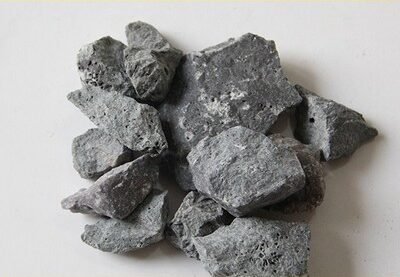
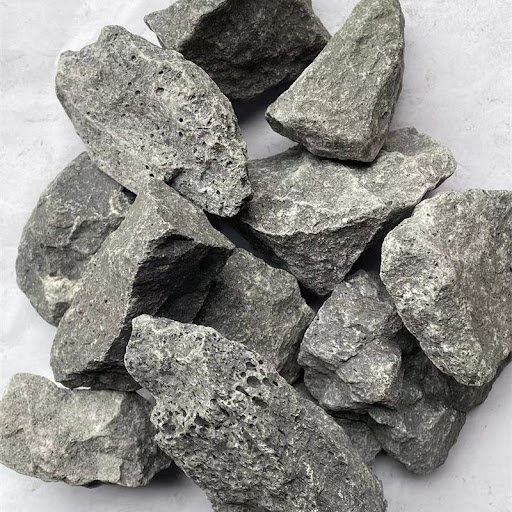
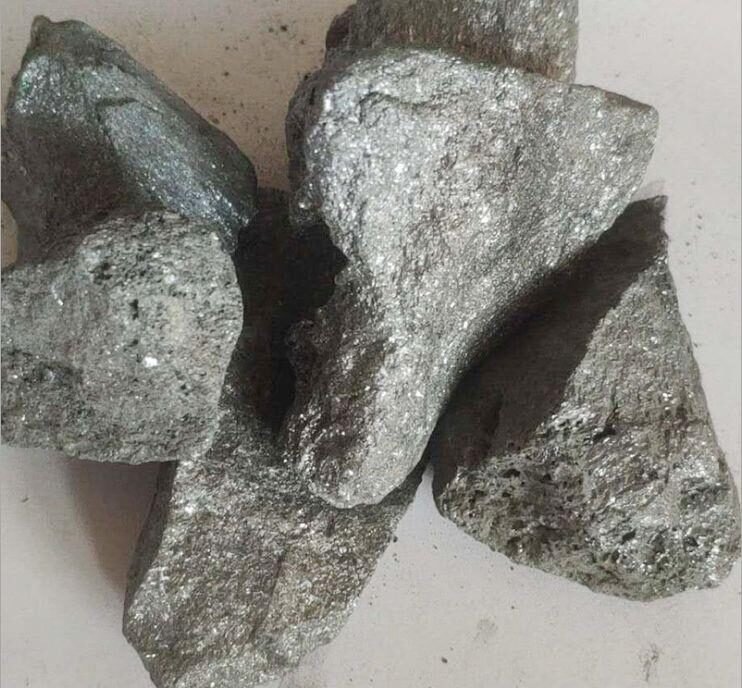
Particle Size: 10–50mm lump material suits BOF applications, while 1.5–3mm briquettes/pellets are better for ladle refining or induction furnaces, offering higher absorption rates and reduced dust pollution.
Melting Point & Fluidity: High-quality Ca-Si-Mn has a low melting point, fast dissolution, and generates minimal smoke and flame, improving workshop conditions.
3. Cost-Benefit Analysis
Don’t evaluate based on unit price alone. Premium products enhance alloy recovery and reduce inclusions, improving final steel product yield—often delivering savings that far outweigh the material cost difference.
Anyang is a national hub for ferroalloy and steelmaking additives, offering a mature Ca-Si-Mn supply chain. Below is a comparison of main supplier types:
| Criteria | Type A: Large-Scale Integrated Manufacturers (e.g., Bosen, Beifang Alloy) | Type B: Processing/Trading Companies (e.g., Shengchi, Jinding) |
|---|---|---|
| Core Strengths | Monthly output in thousands of tons; stable, consistent composition; supports custom briquette/block forms | Flexible sourcing; high-precision sizing (down to 3000 mesh); adaptable inventory |
| Service Capabilities | Provide technical guidance; offer tailored addition plans for BOF/EAF processes | Low minimum order quantities (1 ton), ideal for small-batch trials and testing |
| Cost-Effectiveness | Better economies of scale; greater per-ton steel cost reduction | Flexible short-term procurement; suitable for initial composition trials |
Beifang Alloy Recommendation: For large-scale continuous production, prioritize integrated manufacturers to ensure batch-to-batch consistency. For new product trials, trading companies offering high-precision powder materials may be a good starting point.
Ca-Si-Mn deoxidizer represents a significant advancement in steelmaking additive technology. It effectively and synergistically addresses deoxidation, desulfurization, and basic alloying requirements, provided it is matched with appropriate steel grades and standardized melting practices. When sourcing, shift your focus from “comparing prices” to “compositional compatibility” and “batch consistency.”
About Beifang Alloy
Based in the Anyang ferroalloy industrial zone, Beifang Alloy is committed to providing stable, cost-effective Ca-Si-Mn deoxidizer solutions for steelmaking enterprises. Visit www.beifangalloy.com or email info@hnxyie.com to request samples and technical specifications.