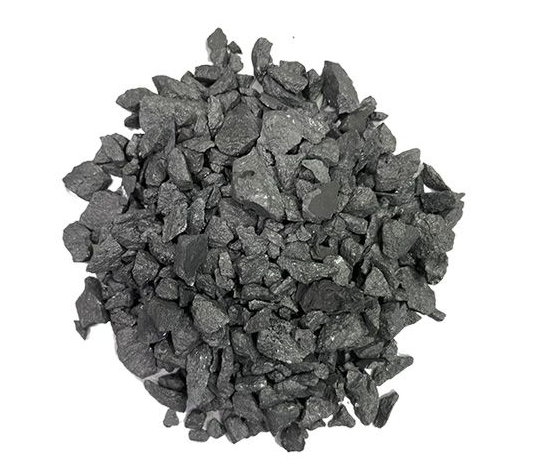
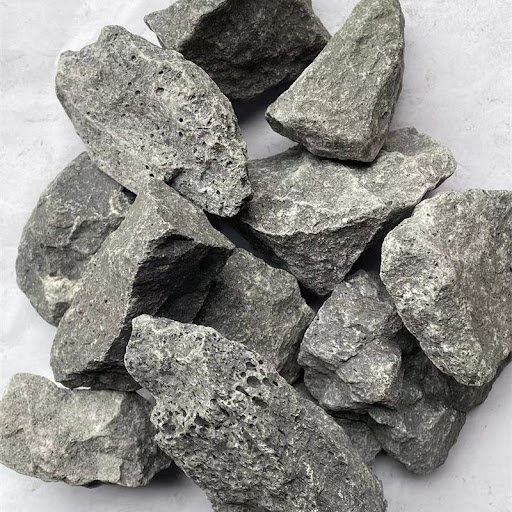
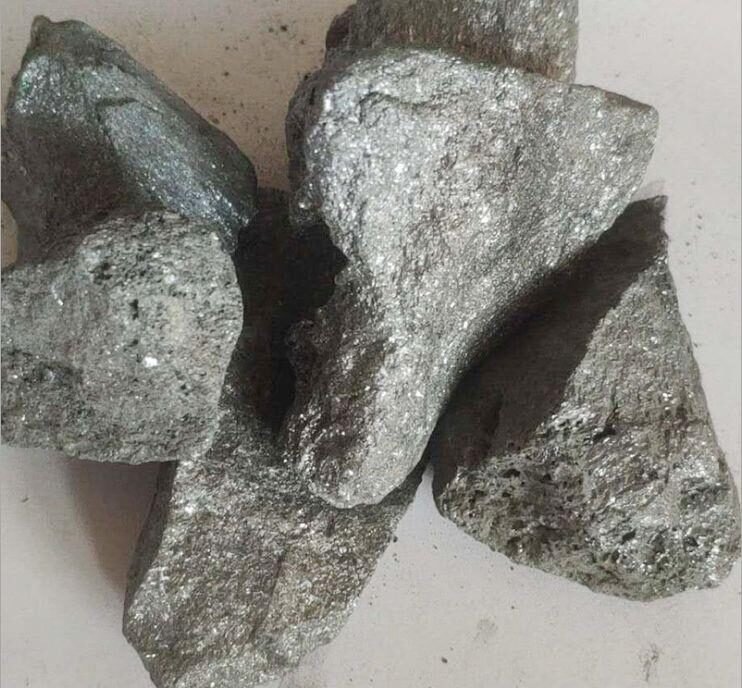
In modern steelmaking, deoxidation is not just a technical challenge — it’s a significant cost driver. For steel mills, the choice of deoxidizer directly affects steel quality, production efficiency, and ultimately, the bottom line. Silicon-Calcium-Manganese (SiCaMn) composite deoxidizer has emerged as a compelling solution, with recommended addition rates of 3–5 kg per ton of steel. But how do you calculate the real cost-effectiveness? This article breaks down the “value for money” equation from four perspectives: procurement needs, industry research, procurement guide, and supplier comparison.
When steel mills evaluate deoxidizers, they typically consider three core requirements:
Deoxidation Performance — Can the product effectively remove oxygen from molten steel?
Steel Quality Impact — Does it improve fluidity, reduce inclusions, and prevent continuous casting nozzle clogging?
Cost Efficiency — Does it deliver measurable savings per ton of steel?
SiCaMn is a composite alloy composed of silicon, calcium, and manganese. It functions as both a deoxidizer and desulfurizer, offering a unique combination of benefits:
Strong deoxidation capability — Silicon, calcium, and manganese work synergistically to remove oxygen from molten steel
Improved steel fluidity — Enhances molten steel flow, reducing continuous casting nozzle clogging
Effective desulfurization — Combined with desulfurization agents, it significantly reduces sulfur content
Inclusion reduction — Purifies molten steel by reducing non-metallic inclusions, improving steel quality
Cost savings — Can replace more expensive deoxidizers such as ferrosilicon and ferrosilicon-aluminum
Industry practice has established SiCaMn addition rates of 3–5 kg per ton of steel, particularly suitable for converter steelmaking . This dosage has been validated through extensive practical application and represents the “sweet spot” for balancing performance and cost.
The deoxidation mechanism of SiCaMn is built on the oxygen affinity of its three constituent elements:
Calcium (Ca) has the strongest oxygen affinity among common deoxidizing elements. At steelmaking temperatures (approximately 1600°C), calcium forms CaO and effectively modifies inclusion morphology .
Silicon (Si) has strong oxygen affinity and its deoxidation product SiO₂ generates significant heat, which helps maintain steel temperature .
Manganese (Mn) is a weak deoxidizer but works synergistically with silicon and calcium. MnO forms low-melting-point compounds with SiO₂, making inclusion removal easier .
The key advantage of SiCaMn lies in its composite effect. When used together, these three elements achieve deeper and more stable deoxidation than any single-element deoxidizer.
| Metric | SiCaMn Performance |
|---|---|
| Deoxidation efficiency | High; deep deoxidation achieved with stable results |
| Inclusion control | Reduces inclusions and improves steel purity |
| Recovery rate | Improves alloy recovery by 10–20% |
| Energy consumption | Low melting point reduces refining time and electricity consumption |
| Operational safety | No smoke or flame during use |
To understand the financial impact, we need to look at real deoxidation cost rather than just unit price. A more accurate formula is:
Actual Deoxidation Cost = (Alloy Unit Price ÷ Effective Element Content) ÷ Element Recovery Rate
SiCaMn offers competitive advantages because:
Its composite composition means multiple deoxidation functions are achieved with a single addition
Higher recovery rates (reportedly 10–20% improvement over alternatives) reduce effective cost
Lower melting point and better fluidity shorten refining time and reduce electricity consumption
Industry trials show that using SiCaMn in converter steelmaking achieved stable results with argon pre-silicon averaging 0.17% and oxygen levels averaging 66.6 ppm, demonstrating good deoxidation performance . While specific cost savings depend on local pricing, the combination of higher recovery rates and reduced refining time contributes to measurable economic benefits.
To calculate the cost-effectiveness of SiCaMn, start with your current deoxidizer:
Current deoxidizer type and dosage (kg/ton)
Current unit price (¥/ton)
Current recovery rate (%)
For SiCaMn at 3–5 kg/ton :
Estimated unit price (market-dependent, typically competitive versus Si-Ca alloys)
Estimated recovery rate improvement (+10–20% over alternatives)
Estimated reduction in refining time and electricity consumption
Alloy Cost Per Ton of Steel = (Dosage × Unit Price) ÷ Recovery Rate
Then compare:
Baseline cost = (Current dosage × Current unit price) ÷ Current recovery rate
SiCaMn cost = (SiCaMn dosage × SiCaMn unit price) ÷ SiCaMn recovery rate
Beyond direct alloy cost, factor in:
Energy savings — Lower melting point reduces electricity consumption
Yield improvement — Better inclusion control reduces reject rates
Process stability — Reduced nozzle clogging minimizes production interruptions
While actual figures depend on local pricing and production conditions, industry estimates suggest that optimized deoxidizer selection can deliver cost savings of RMB 5–8 per ton of steel through reduced alloy consumption and lower energy usage . For a mid-sized mill producing 1 million tons annually, this could translate to RMB 5–8 million in annual savings.
As an established ferroalloy manufacturer, Beifang Alloy offers significant value to steelmaking customers:
Quality Assurance
Consistent product quality with precise element control (Si, Ca, Mn specifications)
Manufactured to meet rigorous industry standards
Technical Expertise
Deep understanding of steelmaking deoxidation needs
Proven track record supplying various deoxidizer products
Competitive Pricing
Direct manufacturer pricing eliminates middleman costs
Flexible product specifications to meet diverse requirements
Reliable Supply
Stable production capacity for consistent delivery
Longstanding presence in the ferroalloy industry
Beifang Alloy offers SiCaMn with specifications aligned with industry standards, featuring a composition that typically includes 50–59% Si, 14–18% Ca, and 14–20% Mn . Custom specifications can be arranged to meet specific customer needs.
Beifang Alloy has a long history in the ferroalloy sector, serving customers across domestic and international markets with products including ferrosilicon, silicon metal, silicon-calcium, silicon carbide, and various composite deoxidizers .
| Aspect | Beifang Alloy Advantage |
|---|---|
| Product Quality | Consistent, specification-controlled manufacturing |
| Technical Support | Expertise in steelmaking deoxidation applications |
| Pricing | Direct factory pricing for competitive advantage |
| Supply Chain | Reliable production and timely delivery |
| Customization | Flexible specifications to match customer requirements |
The cost-effectiveness equation for SiCaMn deoxidizer is more than just a price-per-ton calculation. It’s about understanding the total value delivered — in steel quality, process stability, energy savings, and yield improvement.
For steel mills asking “Is SiCaMn worth it at 3–5 kg/ton?” , the answer depends on your specific production conditions and baseline costs. However, the technical data consistently points to SiCaMn as a highly efficient, cost-effective deoxidizer that offers compelling advantages over single-element alternatives.