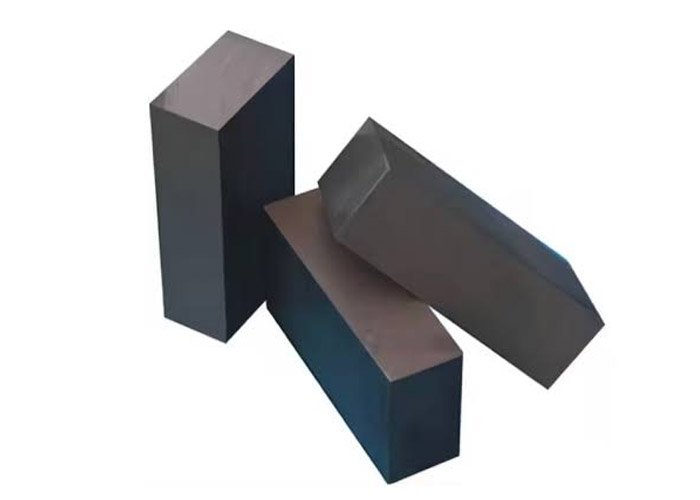
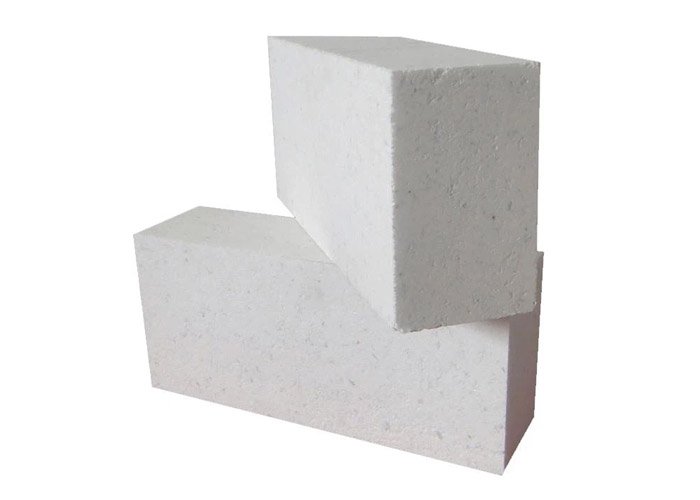
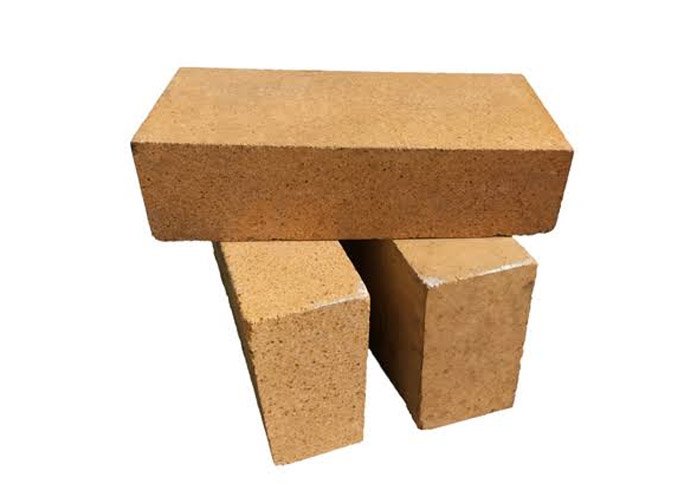
Magnesia brick is a basic refractory material with magnesium oxide (MgO) as its main component and periclase as its main crystal phase. Its MgO content is usually above 80%, and high-quality magnesia brick can reach 95%~98%. According to the international standard ISO 1109, basic refractory products with MgO content of not less than 80% can be classified as magnesia brick.
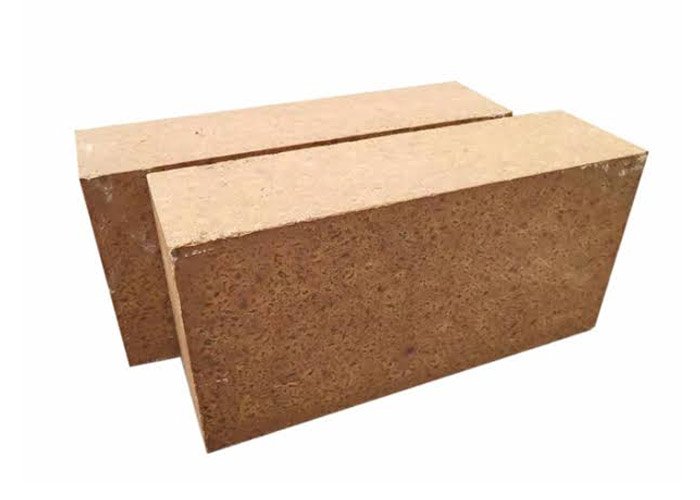
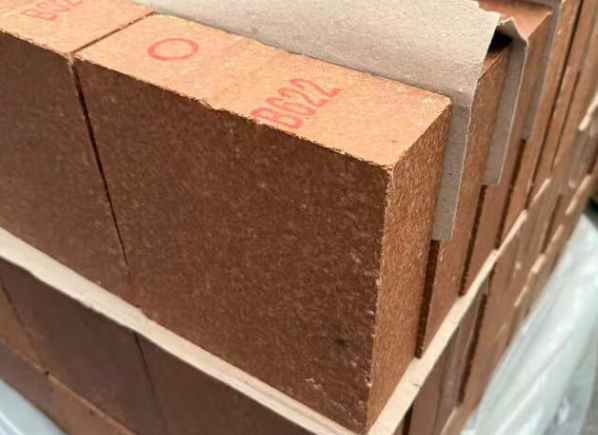
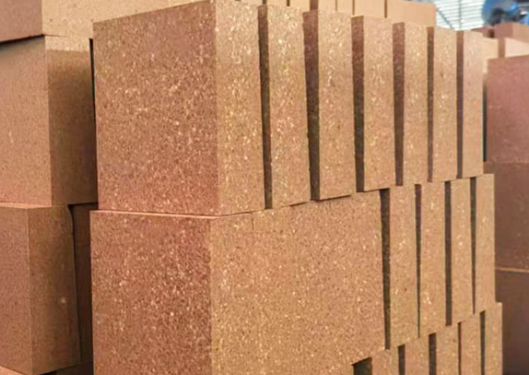
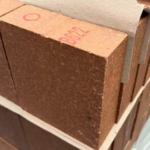
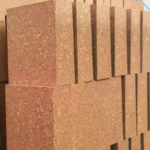
Magnesia brick is a basic refractory material with magnesium oxide (MgO) as its main component and periclase as its main crystal phase. Its MgO content is usually above 80%, and high-quality magnesia brick can reach 95%~98%. According to the international standard ISO 1109, basic refractory products with MgO content of not less than 80% can be classified as magnesia brick.
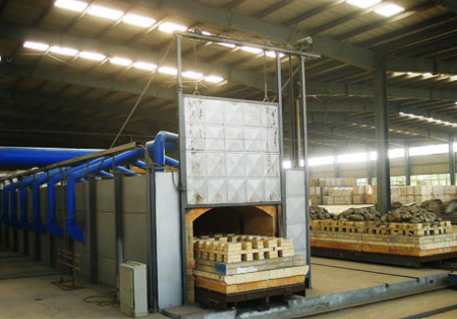
By preparation process, magnesia bricks are mainly divided into two major categories: sintered magnesia brick (fired magnesia brick) and chemically bonded magnesia brick (unfired magnesia brick). Fired magnesia brick uses sintered magnesia as raw material. After crushing, batching, kneading, and high-pressure forming, it is fired at 1550~1600℃, and high-purity products are fired at above 1750℃. Unfired magnesia brick is made by adding chemical binders (such as magnesium chloride solution, magnesium sulfate solution, sulfite paper pulp waste liquid, etc.) to well-graded sintered magnesia, and is made through mixing, forming, and drying without a firing process. According to raw material purity and bonding method, it can also be further divided into ordinary magnesia brick, direct-bonded magnesia brick, fused rebonded magnesia brick, magnesia-silica brick, magnesia-alumina brick, magnesia-chrome brick, and other varieties.
China began producing unfired magnesia brick in the 1920s, began producing fired magnesia brick in 1954, and began producing rebonded magnesia brick and direct-bonded magnesia brick in the 1960s and 1980s respectively.
According to the national standard GB/T 2275-2017 “Magnesia Brick and Magnesia-Alumina Brick”, magnesia bricks are classified by MgO content. Typical technical indicators are as follows:
| Item | M-98 | M-97A | M-97B | M-95A | M-95B | M-91 | M-89 |
| MgO (%) ≥ | 97.5 | 97.0 | 96.5 | 95.0 | 94.5 | 91.0 | 89.0 |
| SiO₂ (%) ≤ | 1.00 | 1.20 | 1.50 | 2.00 | 2.50 | — | — |
| CaO (%) ≤ | — | — | — | — | — | 3.00 | — |
| Apparent porosity (%) ≤ | 16 | 16 | — | 18 | — | — | 20 |
| Bulk density (g/cm³) ≥ | 3.00 | 2.95 | — | 2.90 | — | 2.85 | — |
| Cold compressive strength (MPa) ≥ | 60 | — | — | 50 | — | 45 | — |
| Refractoriness under load (0.2MPa) start temperature (℃) ≥ | 1700 | — | — | 1650 | — | 1560 | 1500 |
| Permanent linear change on heating (1650℃×2h, %) | -0.2~0 | — | — | -0.3~0 | — | -0.5~0 | -0.6~0 |
Common industry grades also include MZ-89, MZ-91, MZ-95, MZ-97, etc.
The standard brick shape for magnesia brick is 230×114×65mm (T-3 type). Various special-shaped products can also be customized according to customer drawings. Products are usually packaged on wooden pallets with shrink film or steel strapping.
Magnesia brick is mainly used in the basic areas of the following high-temperature industrial kilns:
1.Metallurgy Industry
Basic open-hearth furnace and electric furnace for steelmaking: Furnace bottom and furnace wall
Oxygen converter: Permanent lining (non-working layer), utilizing its resistance to basic slag erosion to protect the furnace shell
Mixer furnace: Lining
Steel ladle: Permanent layer
Non-ferrous metal smelting furnaces: Linings for copper, lead, zinc, and other smelting furnaces
2.Building Materials Industry
Cement rotary kiln: Lining for the burning zone and transition zone
Glass melting furnace: Upper checker bricks of the regenerator
Lime kiln: Lining
3.Other Industries
High-temperature tunnel kiln: Lining
Soaking pit and heating furnace for steel rolling: Furnace bottom and furnace wall
Rotary kiln for calcining magnesia and cement: Lining
Poor thermal shock resistance is the biggest application limitation of magnesia brick. Magnesia brick is extremely prone to cracking under rapid cooling and heating conditions. Therefore: