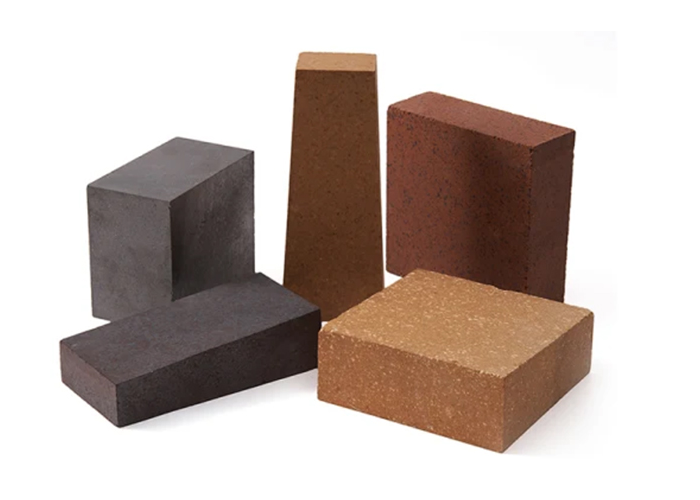
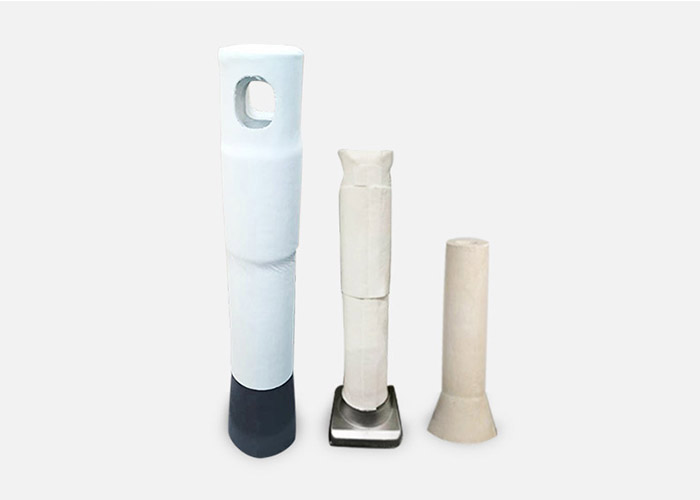
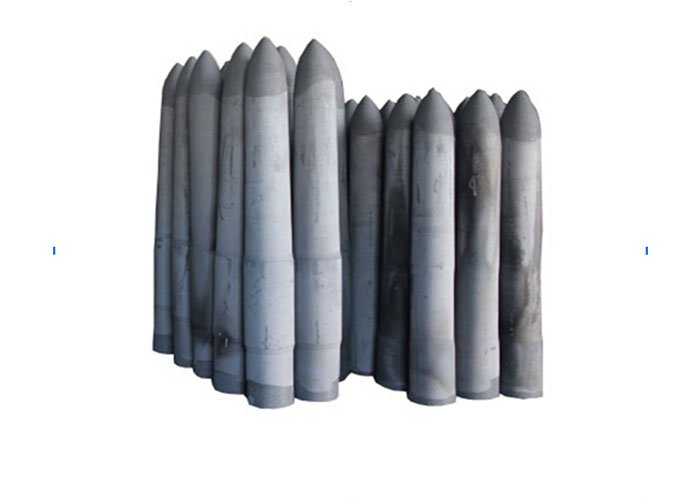
High alumina brick is a silicate-alumina refractory material made from high-alumina bauxite clinker as the main raw material, mixed with soft clay or chemical binders, formed, and then fired at about 1500°C. Its Al₂O₃ content is above 48%.
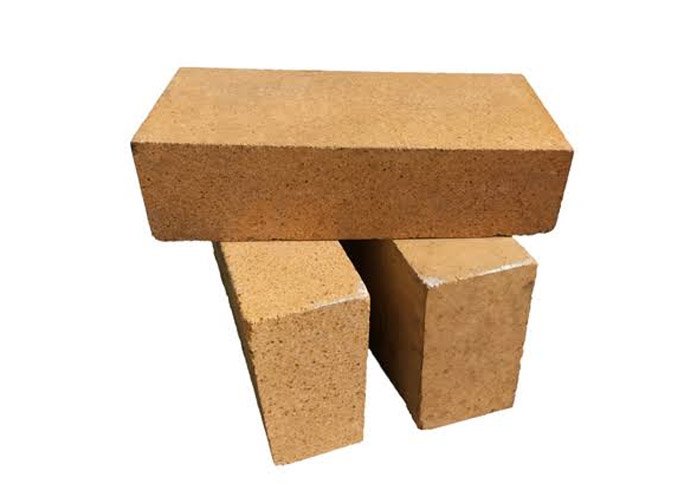
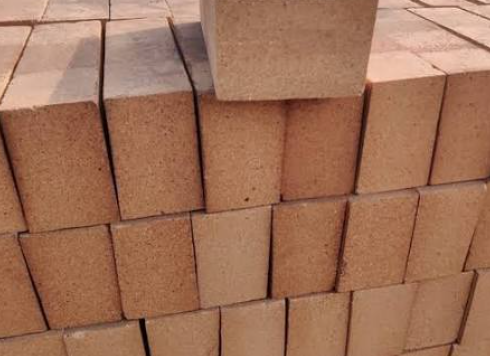
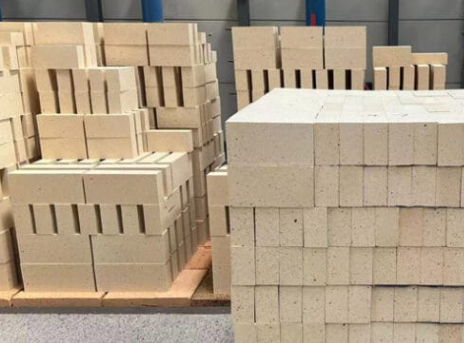
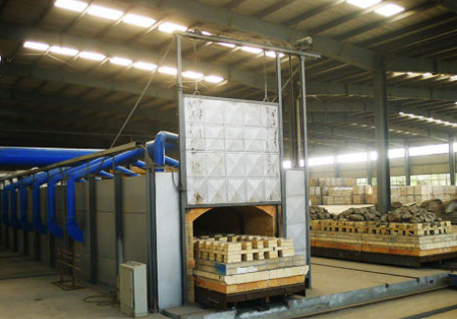
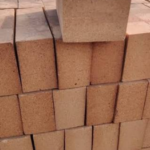
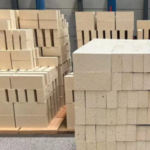
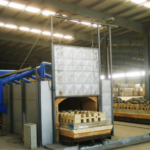
High alumina brick is a silicate-alumina refractory material made from high-alumina bauxite clinker as the main raw material, mixed with soft clay or chemical binders, formed, and then fired at about 1500°C. Its Al₂O₃ content is above 48%. According to Al₂O₃ content, high alumina bricks are usually divided into three grades: Grade I high alumina brick (Al₂O₃ > 75%), Grade II high alumina brick (Al₂O₃ 60%~75%), and Grade III high alumina brick (Al₂O₃ 48%~60%).
The main mineral composition of high alumina brick is mullite and corundum phases. The higher the Al₂O₃ content, the more corundum phase, and the better the refractoriness and erosion resistance. High alumina brick is a neutral refractory material, with certain resistance to both acidic and basic slag. However, due to its SiO₂ content, its resistance to basic slag is weaker than its resistance to acidic slag.
According to the national standard GB/T 2988-2023 “High Alumina Brick”, high alumina bricks are divided into two major categories: ordinary high alumina brick and low-creep high alumina brick, suitable for high-temperature kilns.
High alumina bricks are classified by Al₂O₃ content and performance indicators. Common grades include:
Ordinary High Alumina Brick (LZ Series)
| Item | LZ-80 | LZ-75 | LZ-65 | LZ-55 |
| Al₂O₃ (%) ≥ | 80 | 75 | 65 | 55 |
| Fe₂O₃ (%) ≤ | 2.0 | 2.5 | 2.5 | 2.6 |
| Bulk density (g/cm³) ≥ | 2.6 | 2.5 | 2.4 | 2.3 |
| Cold compressive strength (MPa) ≥ | 80 | 70 | 60 | 50 |
| Refractoriness under load (℃) ≥ | 1550 | 1510 | 1460 | 1420 |
| Refractoriness (℃) ≥ | 1790 | 1790 | 1770 | 1770 |
| Apparent porosity (%) ≤ | 21 | 22 | 23 | 24 |
| Linear change rate (%) | -0.2 | -0.3 | -0.4 | -0.4 |
Low-Creep High Alumina Brick (DRL Series)
Low-creep high alumina bricks are divided into multiple grades according to creep rate test temperature, from DRL-127 to DRL-155. The grade number corresponds to the maximum test temperature at which it can effectively resist creep. A typical grade such as DRL-155 has Al₂O₃ ≥ 75% and creep rate (0.2MPa, 50h, 1550℃) ≤ 0.8%.
The standard brick shape for high alumina brick is 230×114×65mm (T-3 type). There are also various wedge bricks, arch foot bricks, and other special-shaped bricks. Brick type designation rules: Z for straight brick, C for side wedge brick, S for vertical wedge brick, K for wide wedge brick, and J for arch foot brick.
High alumina brick is widely used in the linings of high-temperature kilns in metallurgy, building materials, glass, ceramics, and other industries:
Metallurgy Industry
Building Materials Industry
Other Industries
Carbon baking furnace, carbon calcining furnace
Coke oven, soaking pit
Boiler, reverberatory furnace, blast furnace
The selection of high alumina brick should be comprehensively determined according to service temperature, erosion medium, and load conditions: