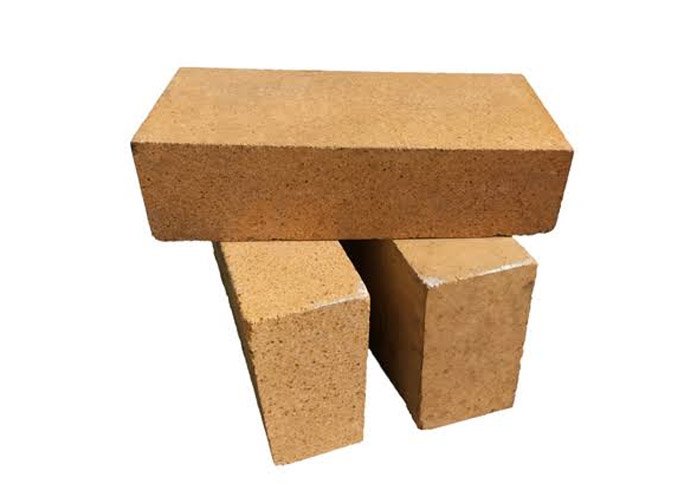
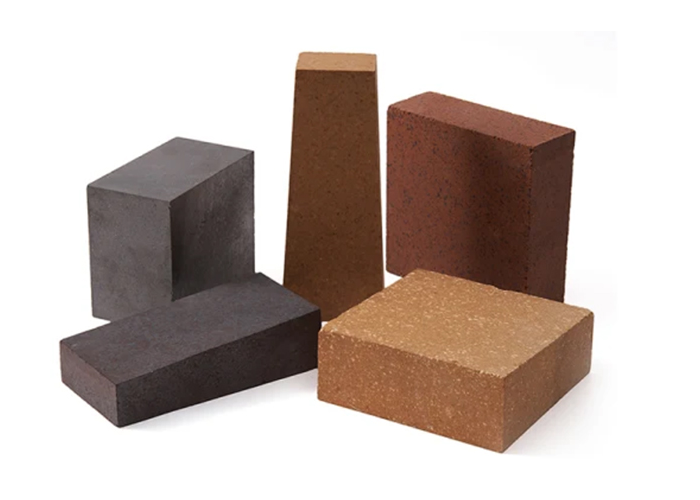
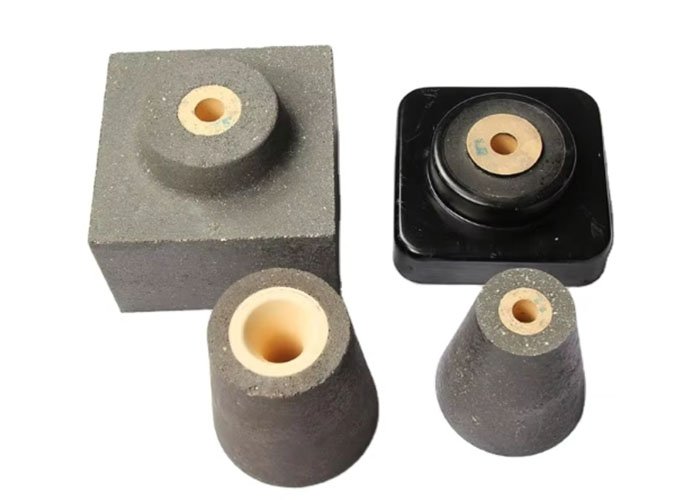
Corundum brick is an advanced refractory material with aluminum oxide (Al₂O₃) as its main component and corundum as its main mineral phase. Its Al₂O₃ content is usually above 90%. It is also called alumina refractory product. Corundum (α-Al₂O₃) is the most stable structure among the various forms of aluminum oxide, with a melting point as high as 2050℃, a density of about 3.96~4.01 g/cm³, belonging to the hexagonal crystal system, and possessing extremely high cold and high-temperature strength as well as excellent chemical stability.
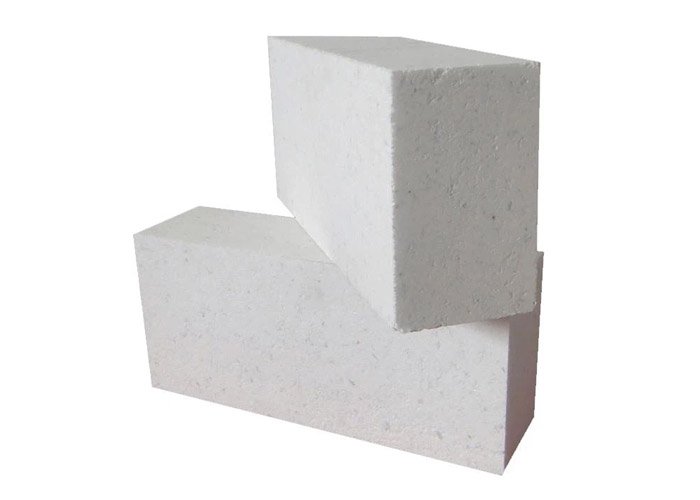
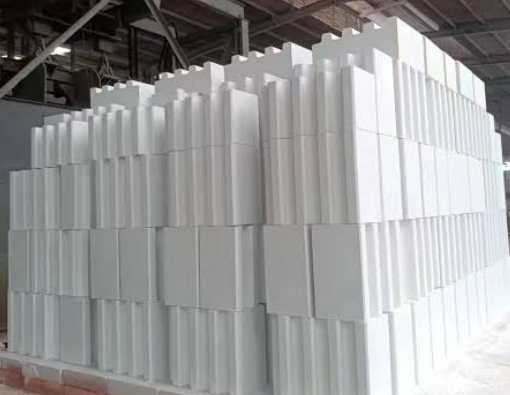
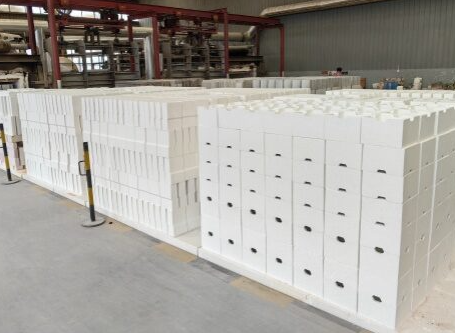
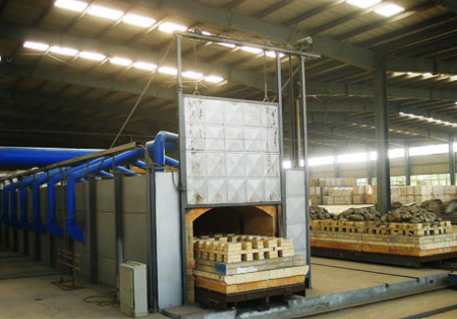
Corundum brick is an advanced refractory material with aluminum oxide (Al₂O₃) as its main component and corundum as its main mineral phase. Its Al₂O₃ content is usually above 90%. It is also called alumina refractory product. Corundum (α-Al₂O₃) is the most stable structure among the various forms of aluminum oxide, with a melting point as high as 2050℃, a density of about 3.96~4.01 g/cm³, belonging to the hexagonal crystal system, and possessing extremely high cold and high-temperature strength as well as excellent chemical stability.
By preparation process, corundum bricks are mainly divided into two major categories: sintered corundum brick and fused corundum brick. Sintered corundum brick uses sintered alumina clinker as raw material and is fired at 1750~1800℃ after high-pressure forming; fused corundum brick uses fused corundum as raw material, or directly pours molten corundum into molds to form fused-cast bricks. In addition, depending on the additives, derivatives such as chrome corundum brick, zirconia corundum brick, and titania corundum brick can also be produced.
Corundum bricks are classified by Al₂O₃ content and additive components. Common varieties and physical and chemical indicators are as follows:
| Item | High-Purity Corundum Brick DL-98 | Ordinary Corundum Brick DL-95 | Ordinary Corundum Brick DL-90 | Mullite Corundum Brick MDL-80 | Chrome Corundum Brick GDL-85 |
| Al₂O₃ (%) ≥ | 98.5 | 95 | 90 | 80 | 85 |
| Cr₂O₃ (%) ≥ | — | — | — | — | 8 |
| SiO₂ (%) ≤ | 0.3 | 3.0 | 9.0 | 18 | 0.2 |
| Fe₂O₃ (%) ≤ | 0.2 | 0.2 | 0.5 | 0.5 | 0.2 |
| Bulk density (g/cm³) ≥ | 3.0 | 2.9 | 2.9 | 2.7 | 3.1 |
| Cold compressive strength (MPa) ≥ | 75 | 100 | 100 | 60 | 80 |
| Refractoriness (℃) ≥ | 1790 | 1790 | 1790 | 1790 | 1790 |
| Refractoriness under load (℃, 0.2MPa) ≥ | 1700 | 1650 | 1650 | 1700 | 1700 |
| Thermal stability (1100℃ water cooling, cycles) ≥ | 6 | 10 | 10 | 20 | 15 |
The industry standard YB/T 4348-2013 (2017) specifies corundum brick grades including GYZ-99A, GYZ-99B, GYZ-98, GYZ-95, etc. Among them, GYZ-99A has Al₂O₃≥99.0%, Fe₂O₃≤0.10%, bulk density≥3.20 g/cm³, and compressive strength≥80 MPa.
The standard brick shape for corundum brick is 230×114×65mm (T-3 type). Various special-shaped products can be customized according to customer drawings. Common market specifications also include 230×115×65mm, 380×150×75mm, 345×114×65mm, etc.
Due to its excellent high-temperature performance, corundum brick is widely used in various high-temperature industrial kilns and thermal equipment:
Metallurgy Industry
Petrochemical Industry
Glass Industry
Other Fields