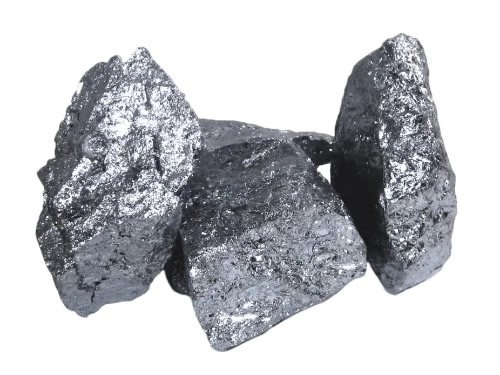
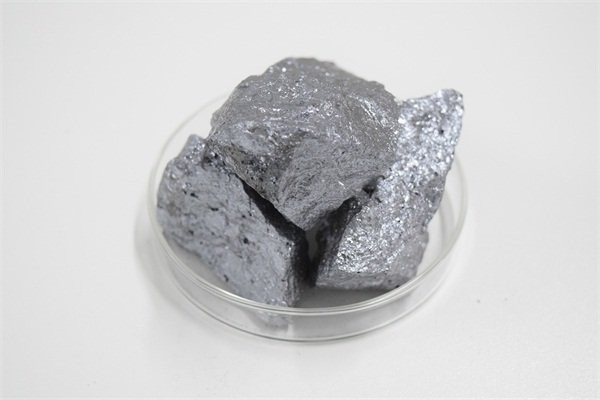
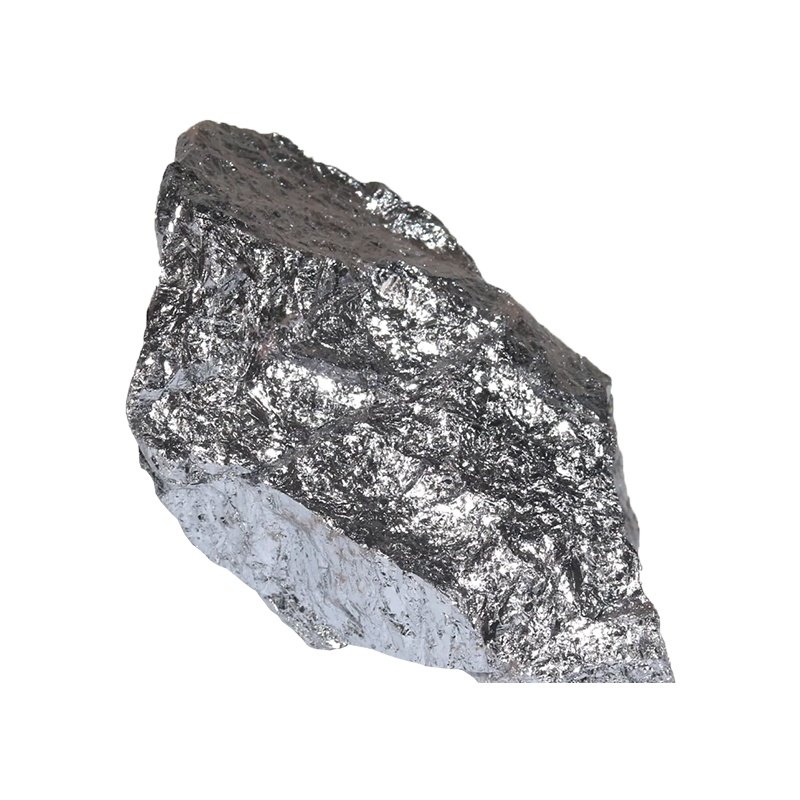
The answer is: yes, metal silicon and industrial silicon are the same product.
“Metal silicon” (also called industrial silicon in China) is a commercial product name that emerged in the mid-1960s, linked to the rise of the semiconductor industry. Internationally, commercial silicon is divided into metal silicon and semiconductor silicon, while in China these two terms have long been used in parallel. Whether you see “metal silicon” or “industrial silicon” on an inquiry, contract, or inspection certificate, they refer to the same type of product: made by smelting quartz and coke in an electric furnace, with a silicon content of around 98% (in recent years, products with Si content of 99.99% are also included), with the remaining impurities being iron, aluminum, calcium, and others.
For procurement professionals, understanding that the names are the same is only the starting point. What really drives procurement decisions is specification matching, supplier screening, and risk control. The following covers four dimensions.
Since metal silicon and industrial silicon are the same product, the core of procurement needs lies not in the name but in the grade and impurity specifications.
Metal silicon is typically classified by the content of three main impurities—iron, aluminum, and calcium. Common grades include 553, 441, 411, 421, 3303, 3305, 2202, 2502, 1501, 1101, and others. The lower the grade number, the higher the silicon purity. For example, Si441 requires Fe ≤ 0.4%, Al ≤ 0.4%, Ca ≤ 0.1%; Si3303 requires Fe ≤ 0.3%, Al ≤ 0.3%, Ca ≤ 0.03%.
Different downstream applications have significantly different sensitivities to specifications:
Aluminum alloys and metallurgical casting: Typically use medium-to-low grades such as 553 and 441, focusing on cost and stability, with higher tolerance for trace elements.
Organosilicon chemicals: Have specific requirements for aluminum and calcium content, which affect catalytic reaction efficiency.
Photovoltaics and semiconductors: Require strict control of trace elements such as boron and phosphorus. Solar-grade requires B and P content ≤ 0.1 ppm, while semiconductor-grade requires purity of 99.9999% (6N) or above.
Procurement tip: When sending inquiries, directly provide the application and key impurity limits rather than simply saying “I want metal silicon.” Whether a supplier can precisely match the grade matters far more than whether they can quote the name “metal silicon.”
Understanding the origin of “metal silicon = industrial silicon” has practical significance for procurement strategy.
The commercial name “metal silicon” was born during the rise of the semiconductor industry, to distinguish commercial silicon from semiconductor silicon. In international trade, “Metal Silicon” or “Silicon Metal” is the standard term; in China’s domestic supply chain, “industrial silicon” is more commonly used to describe metallurgical-grade products. This means: when communicating with overseas suppliers or customers, use “Silicon Metal”; when purchasing from domestic mines or smelters, use “industrial silicon”—they refer to the same thing, but the other party’s quoting habits and specification descriptions may differ.
From an industry perspective, China is the world’s main producer of metal silicon/industrial silicon. Industrial silicon has become the primary upstream product in the silicon-based new materials supply chain, widely used in photovoltaics, organosilicon, alloys, and other industries. In recent years, the strong push for photovoltaic development has kept industrial silicon capacity in a sustained, rapid, and stable growth trend. For buyers, the supply side offers considerable choice, but quality differentiation is equally pronounced—the price gap between virgin silicon and recycled or blended materials reflects enormous differences in batch consistency.
When purchasing metal silicon in bulk, companies should not focus solely on unit price but should comprehensively evaluate quality indicators, specification standards, supply capacity, quality inspection qualifications, and after-sales cooperation.
First, lock down the grade and full impurity profile. Beyond confirming silicon content, you must specify the upper limits for Fe, Al, and Ca, and supplement with control requirements for B, P, C, and other elements based on application. Also pay attention to physical indicators such as particle size distribution (e.g., 10-100mm, 1-10mm, or custom mesh), moisture content, and powder uniformity.
Second, verify “virgin” status. Ask whether the supplier uses virgin high-purity metal silicon and whether there is any recycled or blended material. Recycled products often have hidden risks in composition stability and batch consistency, which can cause yield fluctuations in downstream production.
Third, packaging and transportation conditions. Metal silicon requires moisture protection and damage prevention during long-distance transport. Confirm whether the packaging specifications (ton bags, small bags, or pallets) match your unloading conditions, and whether sealed packaging can ensure no moisture or caking upon arrival.
Fourth, quality inspection and after-sales terms. Require suppliers to provide inspection reports or third-party test certificates with shipments, and clearly stipulate batch rejection, return, and compensation policies in the contract. Some well-managed downstream companies also require each batch from the supplier to pass qualified third-party testing before shipment.
On the metal silicon supply side, manufacturers can be roughly divided into several categories: large smelters (large capacity, full grade range, but high minimum order quantities and limited price negotiation room), intermediary traders (high flexibility, but long quality traceability chains), and ferroalloy/metallurgical material manufacturers with in-house production capabilities (broad product coverage, customizable, fast response).
When comparing suppliers, focus on three dimensions:
Quality control stability. The core value of metal silicon lies in batch consistency. A manufacturer with its own production line and testing capabilities typically controls core composition fluctuations more tightly. For example, some quality manufacturers can keep