Green silicon carbide (GC) is not a single-market material. It serves two very different worlds: as a high-performance abrasive and refractory raw material for heavy industry, and increasingly as a precursor material in advanced ceramics and semiconductor-adjacent applications. For a ferroalloy factory like Beifang Alloy, understanding where GC actually goes helps separate genuine supplier capability from trading-house claims.
Below is a practical breakdown from four angles: procurement needs, industry research, procurement guide, and supplier comparison.
Before discussing application areas, clarify the end use. Green silicon carbide is purchased in several distinct forms, and the required specification changes dramatically depending on application.
Abrasive-grade GC (grits and powders). The most established use. Green SiC is harder and more friable than black SiC, making it preferred for grinding cemented carbides, glass, ceramics, and non-metallic materials where cool cutting is essential. It is also widely used in wire sawing, lapping, polishing, and bonded abrasive products (vitrified and resinoid wheels).
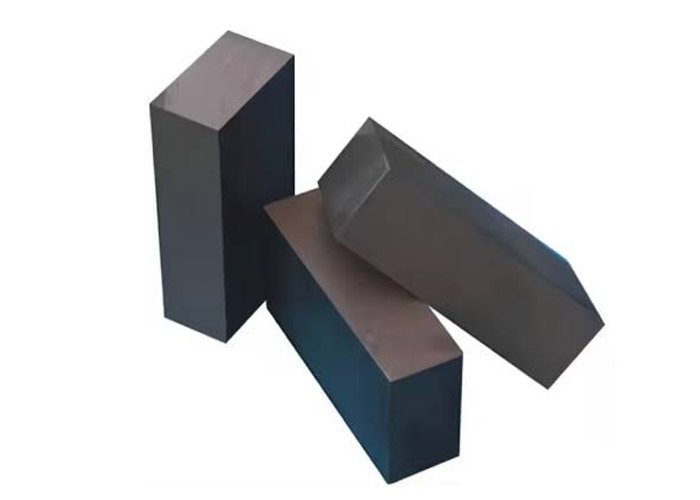
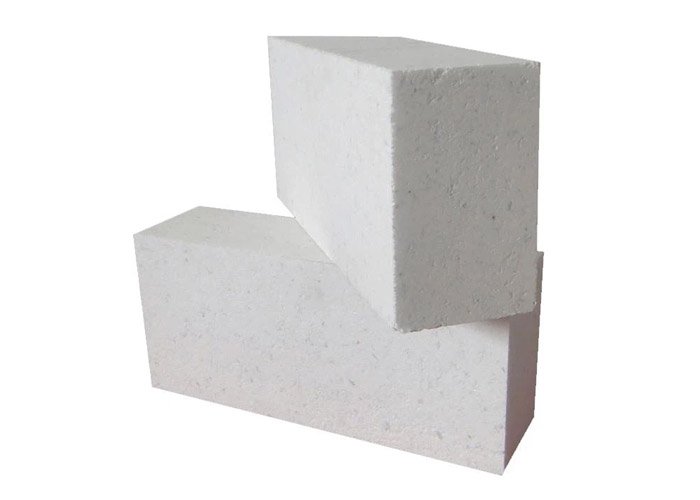
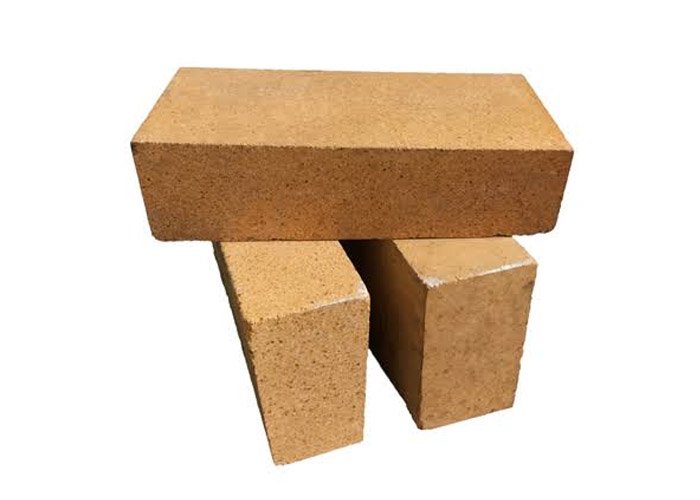
Refractory and metallurgical grade. Green SiC serves as a high-temperature structural material in non-ferrous metal smelting, large blast furnaces, and kiln furniture, valued for thermal conductivity, thermal shock resistance, and wear resistance. For ferroalloy operations, this is the most directly relevant application: GC-based refractories and heating elements appear in furnace linings and high-temperature indirect heating components.
Advanced ceramic and semiconductor-adjacent grade. High-purity GC powder feeds into sintered ceramic parts, semiconductor materials, silicon carbide heating elements (SiC rods), and far-infrared source substrates. This segment demands tight control of purity, particle size distribution, and oxygen content.
Procurement implication: A supplier who can deliver abrasive grit is not automatically qualified for refractory-grade or high-purity GC. Specification sheets must state SiC content, free carbon, Fe₂O₃, and particle size distribution for the exact application.
The green SiC market is often conflated with the broader silicon carbide semiconductor boom. They are related but distinct. Most of the headline growth in SiC semiconductors concerns single-crystal SiC wafers for power devices, not the green SiC grit and powder that Beifang Alloy’s customers typically purchase.
That said, two trends matter for industrial buyers:
Steady demand from abrasives and refractories. Green SiC remains a workhorse material in automotive part manufacturing (crankshafts, cylinder blocks, transmission cases, brakes), glass and ceramics processing, and wear-resistant components. These are mature but stable markets driven by industrial production volumes rather than hype cycles.
Rising technical requirements from advanced applications. As downstream users in electronics and high-temperature industries demand tighter purity and consistency, the gap between commodity GC and specification-grade GC is widening. Suppliers who can document batch-to-batch consistency command premium pricing. For ferroalloy procurement, this means the lowest quoted price per ton often signals a supplier who cannot support refractory or high-purity applications.
A caution for buyers: Much of the recent “SiC boom” narrative concerns semiconductor-grade material with entirely different supply chains and purity requirements. Do not assume a supplier’s claimed involvement in “SiC” means they can supply your refractory or abrasive-grade GC.
When purchasing green silicon carbide for ferroalloy or refractory applications, the following should be written into the purchase order or technical agreement.
1. Grade and end use must be stated explicitly. “Green silicon carbide” alone is insufficient. Specify: abrasive grit (with FEPA or JIS grit designation), refractory-grade grain (with SiC content minimum, typically ≥98% for refractory use), or micro-powder (with d50 and d97 particle size limits).
2. Chemical composition limits. For refractory and metallurgical use, require minimum SiC content, maximum free carbon, maximum Fe₂O₃, and maximum free silicon. For high-purity applications, add maximum oxygen content. Request a certificate of analysis per batch, not a generic specification sheet.
3. Particle size distribution. For refractory grain, PSD affects packing density and therefore lining performance. For abrasive powder, PSD affects cutting efficiency. Require laser particle size analysis or sieve analysis data for each lot.
4. Consistency across batches. Green SiC from different furnace runs can vary in crystal habit and impurity profile. For critical applications, request a retained sample from each batch and consider pre-qualifying suppliers through a small trial order before committing to volume.
5. Packaging and moisture protection. Green SiC powder is hygroscopic to a degree and can pick up moisture during storage and transport. Specify moisture-barrier packaging for micro-powder and confirm storage conditions upon receipt.
The green SiC supply chain includes primary producers with smelting furnaces, processors who crush and classify purchased crude, and traders who repackage material from multiple sources. For Beifang Alloy’s procurement standards, the following comparison framework helps filter suppliers.
| Comparison Dimension | Weak Supplier (Trader/Repackager) | Strong Supplier (Integrated Processor) |
|---|---|---|
| Smelting capability | Cannot disclose crude SiC source | Operates or has direct tie to resistance furnace smelting |
| Quality documentation | Generic spec sheet, no batch traceability | Batch-specific COA with SiC, Fe₂O₃, free C, PSD |
| Application support | Cannot advise on grit selection or refractory formulation | Can recommend grade based on end use (abrasive vs. refractory) |
| Consistency history | Price varies sharply between lots | Stable pricing tied to consistent raw material sourcing |
| Sample policy | Reluctant to provide production-representative samples | Provides samples from current production runs with COA |
A practical test: Ask the supplier to explain the difference between their abrasive-grade and refractory-grade GC, and what changes in the specification. A processor will answer in terms of purity, crystal size, and firing behavior. A trader will repeat the word “high quality.”
Beifang Alloy note: We evaluate green silicon carbide suppliers on the same basis we apply to our own ferroalloy products—documented specifications, batch traceability, and technical support for the actual application. For questions about GC grades suitable for refractory or metallurgical use in ferroalloy operations, contact us at info@hnxyie.com or visit www.beifangalloy.com.