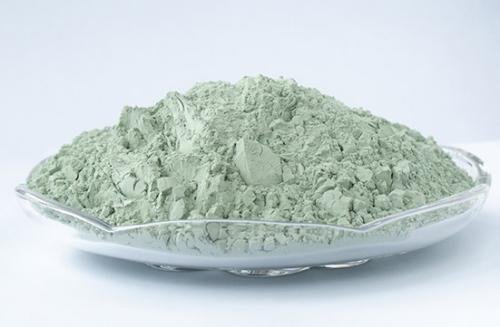
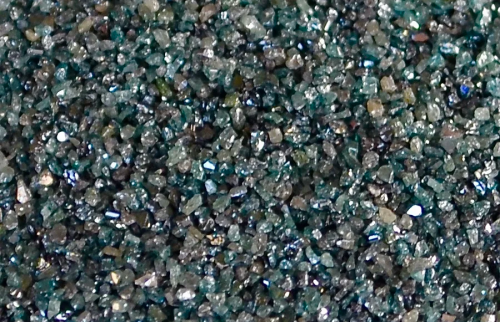
For exporters in the abrasives and refractories space, green silicon carbide orders often come with more complex documentation and logistics requirements than ordinary commodities. At Beifang Alloy, our export team specializes in ferroalloys and abrasive materials, and we regularly see overseas buyers focus solely on the FOB price while overlooking compliance gaps that can lead to port delays at destination. This article examines the compliance essentials beyond tariffs from four angles: procurement needs, industry research, procurement guide, and supplier comparison.
Export compliance for green silicon carbide is not one-size-fits-all—it starts with the specification and end use of the product. Industrial-grade green silicon carbide (typically classified under HS code 2849200000) is mainly used in abrasives, refractories, and vitrified bond applications, making it a conventional bulk industrial material. Under this use case, Chinese export regulations generally involve an export license (regulatory code 4) .
However, if the product is destined for semiconductor substrates, high-purity ceramic bases, or defense-related applications, the compliance scope may touch upon dual-use item controls. Under current rules, certain silicon carbide items may fall under the dual-use export control list, and the license requirement applies “regardless of whether the item is listed under a specific customs commodity code.” Therefore, clarifying at the procurement stage whether the material is for “industrial abrasive use” or “high-tech ceramic/semiconductor use” is a prerequisite for determining whether an additional dual-use license is required. For overseas buyers sourcing from China, confirming whether the supplier holds the appropriate export qualifications and licenses should be the first screening criterion.
Beyond tariffs, the most common delays in green silicon carbide exports stem from transport classification. Pure silicon carbide is chemically stable and generally not classified as dangerous goods under the UN Model Regulations. However, because it is in powder or fine granular form, some shipping lines and destination customs still require a cargo transport conditions identification report (commonly known as a sea transport identification report) to confirm it can be shipped as general cargo. This report must be issued by a qualified inspection body, its conclusion must explicitly reference the relevant version of the IMDG Code, and it is typically valid for one year. Without this document, booking and customs clearance may be blocked even after tariffs are paid.
On the destination side, buyers in the EU market should note REACH compliance status. According to publicly available chemical safety data, silicon carbide (CAS 409-21-2) has specific restriction entries under the EU REACH framework for certain uses, although it is not itself listed as an SVHC. This means that green silicon carbide exported to the EU must be accompanied by a Safety Data Sheet (SDS) in GHS format, with composition information consistent with the REACH registration status. Additionally, some Middle Eastern and Southeast Asian ports impose extra requirements on packaging and moisture control for powder cargo. Procurement contracts should specify packaging standards (such as ton bags with inner waterproof liners) and shipping mark information to avoid rectification costs at the port of arrival due to non-compliant packaging.
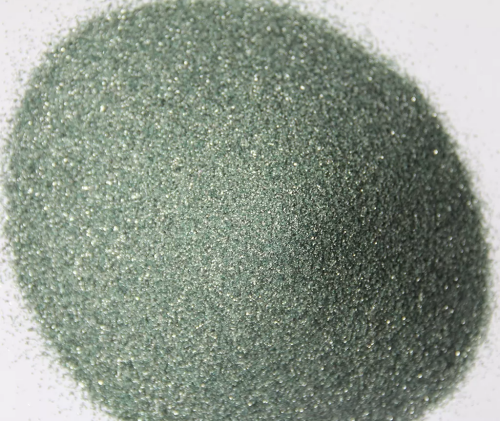 Green Silicon Carbide |
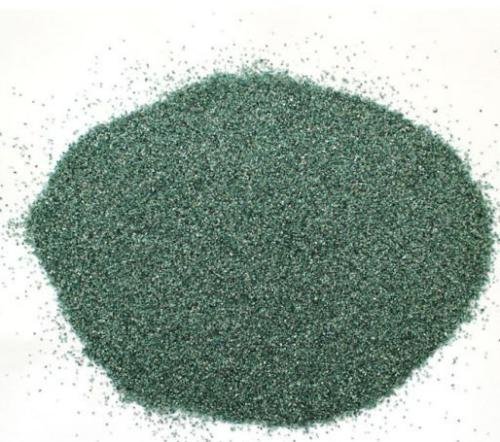 |
When sending inquiries to Chinese suppliers, we recommend incorporating the supplier’s ability to provide compliance documents into the price comparison framework. A complete set of green silicon carbide export documents should include at minimum: commercial invoice, packing list, Certificate of Analysis (COA, tied to the batch number), GHS-compliant Safety Data Sheet (SDS), and, where required, a certificate of origin. For abrasive-grade grit, suppliers should also provide a particle size distribution (PSD) curve and sieving records—these serve both as quality verification and as supporting evidence of cargo consistency during customs inspections.
In practice, an experienced buyer will request sample documents for pre-review before order confirmation. For example: check whether the SDS preparation date is within its validity period, whether the batch number on the COA matches the packaging label, and whether the sea transport identification report explicitly covers the destination route. These seemingly trivial details often determine the total landed cost of a shipment more than a few dollars per ton in price difference. Furthermore, if the destination country requires non-wood packaging certification (such as ISPM 15), confirm at the production stage whether pallets and dunnage comply, avoiding last-minute packaging changes before container loading.
When comparing different types of green silicon carbide suppliers, production capacity matters, but a track record of compliant delivery deserves closer scrutiny. Smelter-direct suppliers often have a price advantage, but some factories place insufficient emphasis on export documentation, and their SDS and COA updates may lag behind product batches. Traders tend to be more proficient in document handling, but buyers should confirm whether they can provide traceability information for the smelting stage—otherwise, they may be unable to self-certify during anti-dumping or origin verification at the destination port.
From Beifang Alloy’s perspective, an ideal supplier should have two characteristics: first, ISO 9001/14001 certification, which typically indicates relatively standardized batch management and document control processes; second, the ability to proactively provide retained samples linked to COAs for each batch, enabling rapid response to quality disputes or customs sampling. For long-term procurement, we recommend arranging a video factory audit or third-party inspection before first cooperation, focusing on the finished goods warehouse’s batch identification system and document archiving. A supplier that clearly links COAs, SDS, and batch labels at the factory level will have a significantly lower probability of document discrepancies during export.
About Beifang Alloy: Drawing on our experience in ferroalloy and abrasive production and export, we provide overseas customers with green silicon carbide, black silicon carbide, and related refractory raw materials, along with compliance documentation support. For product specifications or to discuss specific destination port requirements, please visit www.beifangalloy.com or contact us at info@hnxyie.com.