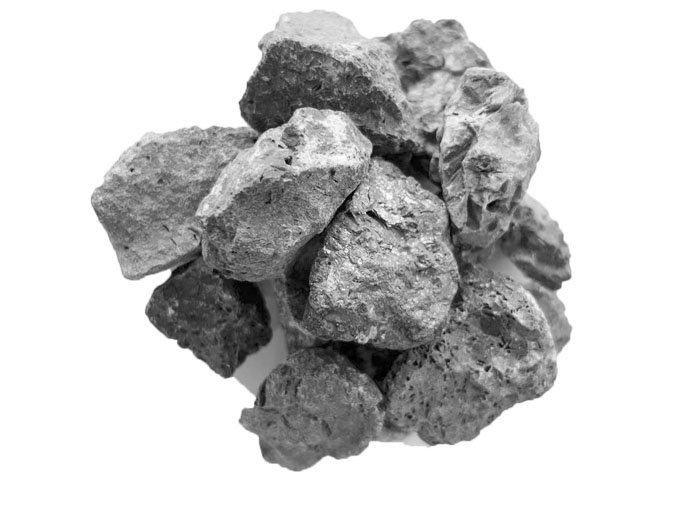
In the world of steelmaking deoxidizers, procurement professionals often face a classic dilemma: choosing between silicon-aluminum-calcium (Si-Al-Ca) and silicon-calcium (Si-Ca). At first glance, they seem nearly identical—just one element apart. But in actual application, the differences in performance and cost-effectiveness are substantial.
As a long-established ferroalloy manufacturer, Beifang Alloy (www.beifangalloy.com) combines industry research with real-world application data to break down the core distinctions between these two deoxidizers from four key perspectives: procurement needs, industry research, purchasing guidelines, and supplier comparison.
From a procurement standpoint, the decision between Si-Ca and Si-Al-Ca hinges primarily on steel grade requirements and cost-control objectives.
Silicon-Calcium (Si-Ca) is a conventional deoxidizer and desulfurizer. It relies on the synergistic effect of silicon and calcium—silicon reduces calcium volatilization, while calcium enhances silicon’s deoxidation and desulfurization capabilities. It is indispensable in the refining of high-quality steels such as bearing steel, pipeline steel, automotive structural steel, and stainless steel, particularly in scenarios demanding exceptional steel purity.
Silicon-Aluminum-Calcium (Si-Al-Ca), on the other hand, introduces aluminum into the ternary composite alloy. Both aluminum and calcium have a strong affinity for oxygen, as well as for sulfur and nitrogen. This makes Si-Al-Ca more suitable for rapid ladle deoxidation in plain carbon steels, low-carbon steels, and wire rod steels, as well as for various smelting processes including electric arc furnaces, converters, and induction furnaces.
Procurement Advice:
If your product portfolio focuses on specialty steels with stringent inclusion control requirements, Si-Ca remains the reliable choice.
If you primarily produce plain carbon steels and prioritize rapid deoxidation with lower overall costs, Si-Al-Ca offers a clear cost-performance advantage. Industry data shows that Si-Al-Ca can replace up to 20% of aluminum wire and 30% of Si-Ca wire as a final deoxidizer.
From a metallurgical perspective, the core differences between the two lie in deoxidation capacity and inclusion morphology control.
Silicon, calcium, and aluminum are all strong deoxidizers, but aluminum’s deoxygenating power far exceeds that of both silicon and calcium. By combining all three elements into one alloy, Si-Al-Ca delivers a “triple deoxidation” effect—faster, more thorough, and more efficient. Studies and field practices confirm that Si-Al-Ca has a low melting point and rapid diffusion rate. Once added to molten steel, it quickly creates a reducing atmosphere, effectively preventing oxidation of metallic elements and improving metal recovery rates.
In contrast, Si-Ca relies primarily on silicon and calcium for deoxidation. While it meets the requirements of most steel grades, it falls short in efficiency when dealing with high-oxygen molten steel or when rapid final deoxidation is needed—scenarios where the aluminum-bearing alloy excels.
In Si-Ca alloys, calcium effectively spheroidizes inclusions in molten steel, modifying their morphology to purify the steel. Si-Al-Ca builds on this foundation: the addition of aluminum further refines inclusions, improving the steel’s plasticity, toughness, and fluidity, while also addressing issues such as nozzle clogging during continuous casting and subcutaneous porosity in billets.
From a total-cost perspective, Si-Al-Ca offers a more pronounced advantage. Industry data indicates that using Si-Al-Ca can save 1–1.5 kg of alloy per ton of steel, reduce electricity consumption by 9–12 kWh per ton, and achieve comprehensive cost savings of RMB 5–8 per ton of steel. In comparison, Si-Ca alloys vary widely in price depending on calcium content and grade, typically ranging from RMB 8,600 to 13,500 per ton.
High-grade steel requirements: Production of bearing steel, pipeline steel, automotive structural steel, high-strength wire rods, and other premium grades
Refining-process focused: Deep deoxidation and desulfurization needed in ladle furnaces (LF) or similar refining units
Aluminum content restrictions: Certain steel grades require strict control over aluminum additions
Mass production of plain carbon steels: Construction steels such as HRB235, HRB335, and HRB400
Rapid ladle deoxidation: Quick final deoxidation required during tapping from converters or EAFs
Pursuit of comprehensive cost reduction: Replacing portions of aluminum wire and Si-Ca wire to lower auxiliary material costs per ton
Environmental and workplace safety considerations: Si-Al-Ca generates no smoke, no dust, no odor, and no fluorine during addition, making it operator-friendly
When procuring Si-Al-Ca, pay close attention to these critical indicators:
Al content: Typically ≥10%, with some premium products reaching 12% or higher
Ca content: Varies widely by product type—deoxidation-grade Si-Al-Ca has Ca ≥15%, while high-calcium grades can reach up to 51%
Particle size: Choose based on your smelting process; common sizes range from 10mm–50mm or 50mm standard lumps
Moisture content: Premium products maintain H₂O < 0.5% to prevent introduction of hydrogen and oxygen impurities during smelting
Within the Anyang ferroalloy industrial cluster, suppliers are numerous, but product quality and supply reliability vary considerably. Below is an objective comparison between Beifang Alloy and general industry standards:
| Comparison Dimension | Beifang Alloy | General Industry Level |
|---|---|---|
| Quality Control System | Full-process composition testing; Al and Ca content strictly enforced per national standards | Some smaller manufacturers show inconsistent specifications and lack stable raw material sources |
| Supply Capacity | Sufficient annual production capacity; accommodates bulk orders and customized particle sizes | Some suppliers face seasonal capacity constraints, leading to unstable delivery schedules |
| Technical Support | Integrated “material supply – technical guidance – cost tracking” service to help optimize per-ton steel costs | Mostly pure traders with limited technical expertise |
| Product Forms | Available in various forms: lumps, balls, granules, and powders to suit different smelting scenarios | Limited product variety; weak customization capabilities |
Beifang Alloy (www.beifangalloy.com), strategically located in the Anyang ferroalloy industrial hub, leverages local raw material advantages and logistics efficiency to deliver consistently high-quality, cost-effective Si-Al-Ca and Si-Ca products. Our strength lies not only in our products but also in helping customers identify the optimal deoxidation solution tailored to their specific steel grades and process conditions.
For the latest technical specifications and pricing on Si-Al-Ca or Si-Ca, please visit the Beifang Alloy website or contact us directly at: info@hnxyie.com
Si-Al-Ca versus Si-Ca—just one element apart, yet the differences in deoxidation efficiency, inclusion control, and overall cost per ton are substantial. There is no absolute “better” choice; the right one depends entirely on your steel grade and production process. We hope this article assists you in making more informed procurement decisions. Beifang Alloy looks forward to partnering with you—to make every ton of steel cleaner, more efficient, and more economical.
Beifang Alloy
Your Trusted Ferroalloy Partner
www.beifangalloy.com | info@hnxyie.com