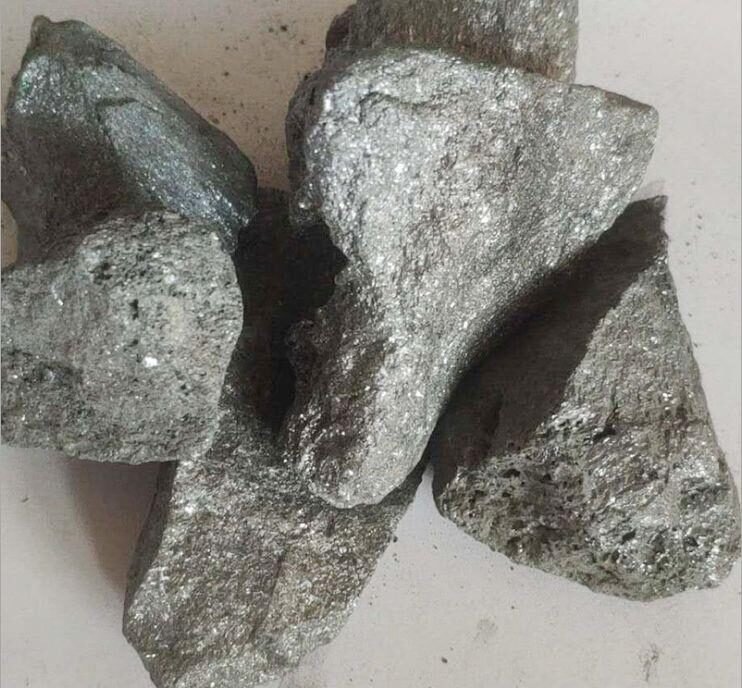
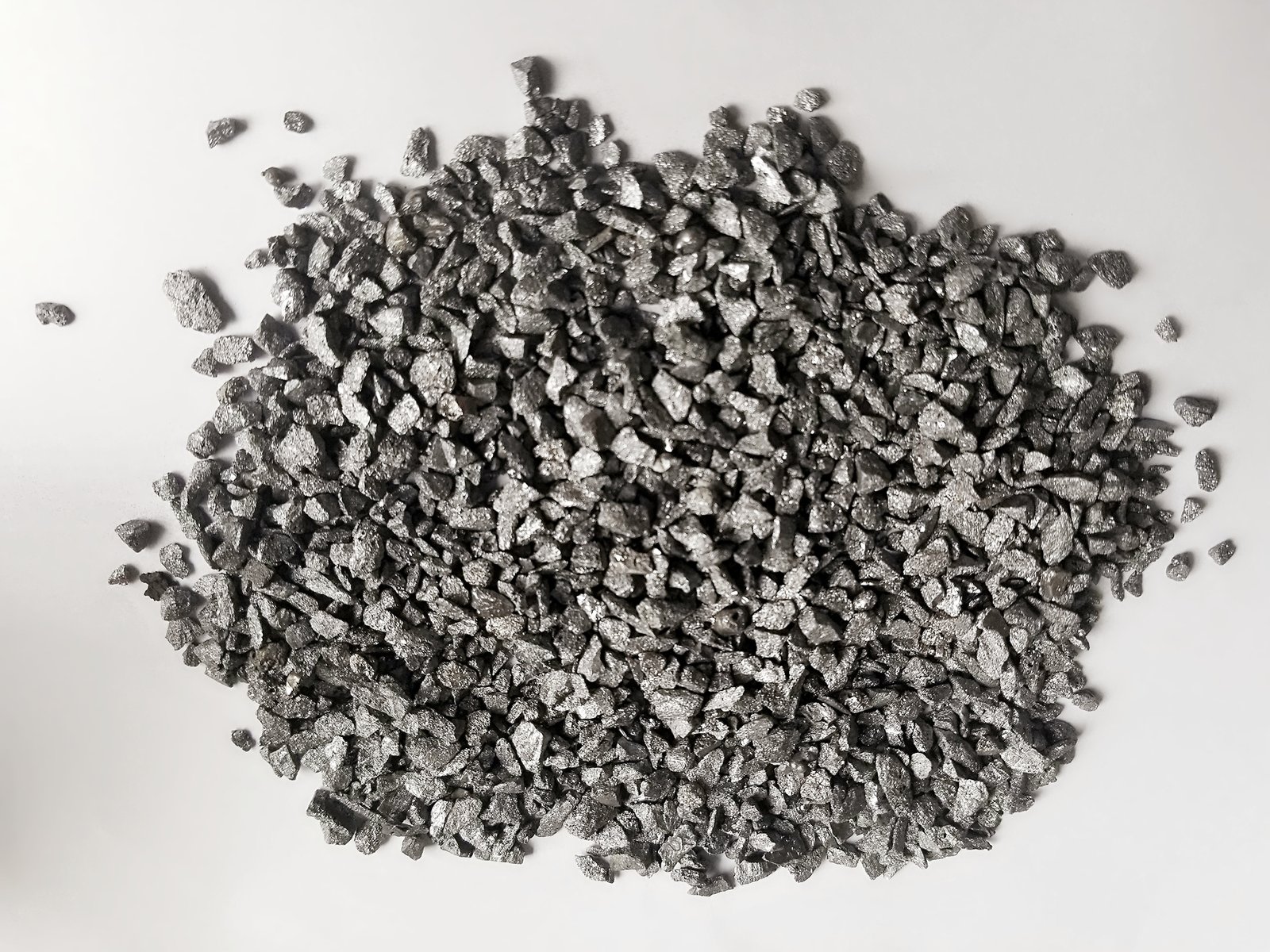
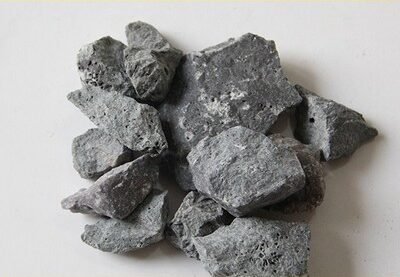
In the complex process of steelmaking, the deoxidation stage is a critical step that determines molten steel quality and ultimately the mechanical properties of the finished product. Faced with a wide array of deoxidizers on the market, many procurement professionals and technical engineers frequently ask: What are the core differences between silicon-calcium-manganese (Si-Ca-Mn) and silicon-aluminum-barium (Si-Al-Ba) deoxidizers? Which one delivers better value for money?
This article breaks down the answer from four key perspectives: Procurement Needs, Industry Research, Procurement Guide, and Supplier Comparison.
I. Procurement Needs: What Do Steel Mills Really Care About?
At the end of the day, procuring deoxidizers serves steelmaking production. After visiting and surveying numerous steel mills, we have found that cost control and steel cleanliness are the two top priorities for current procurement decisions.
Traditional aluminum-based deoxidizers (such as Si-Al-Ba) have strong deoxidizing capability, but they come with notable drawbacks. On one hand, their prices are generally higher, and costs fluctuate significantly with aluminum market prices. On the other hand, their deoxidation products are mainly high-melting-point Al₂O₃ (alumina) inclusions. If these fine particles are not thoroughly removed, they not only reduce the toughness and impact resistance of the steel but also easily cause nozzle clogging during continuous casting, disrupting smooth production operations .
The emergence of silicon-calcium-manganese deoxidizers precisely addresses these pain points. By combining three elements—silicon (Si), calcium (Ca), and manganese (Mn)—in a composite form, it leverages their complementary advantages. Data from certain steel mills shows that after adopting Si-Ca-Mn deoxidizer, the usage of silicomanganese and ferrosilicon alloys can be reduced. While maintaining deoxidation effectiveness, the comprehensive cost per ton of steel decreases significantly .
So when steel mills source deoxidizers, they look beyond just the “deoxidation rate.” The deeper, more practical requirements include:
-
Stable deoxidation performance — Can oxygen content in molten steel be consistently controlled within target ranges?
-
Impact on molten steel fluidity — Does it cause nozzle clogging during continuous casting?
-
Comprehensive cost per ton of steel — Not the unit price alone, but the actual cost consumed per ton of steel produced.
-
Ease of operation and safety — Does it generate excessive fumes, flare, or pose handling risks?
-
Potential to replace more expensive materials — Can it reduce the usage of silicomanganese, silicon-aluminum-barium, or other alloys?
II. Industry Research: Where Does the Real Value Lie?
From a metallurgical standpoint, deoxidation is not merely “removing oxygen”—it is a sophisticated “inclusion engineering” process.
2.1 Technical Comparison
Si-Al-Ba Deoxidizer:
Silicon-aluminum-barium is a barium-series alloy recognized as an excellent deoxidizer and desulfurizer. The barium, aluminum, and calcium elements all possess strong chemical activity and high affinity for oxygen and sulfur in steel . It can rapidly achieve deep deoxidation and improve molten steel fluidity. However, the deoxidation products are mainly high-melting-point Al₂O₃ inclusions, which are finely dispersed and difficult to float out completely .
Si-Ca-Mn Deoxidizer:
Silicon-calcium-manganese is a classic “composite deoxidizer.” Its technological advancement is reflected in the following synergistic chemical reactions:
-
Silicon-Manganese Combined Deoxidation: When silicon and manganese are added in appropriate proportions, they generate unsaturated liquid silicates. These products have low density, low melting points, and tend to coalesce, grow larger, and float out easily, thereby significantly reducing inclusions in the steel .
-
Modification Effect of Calcium: Calcium has a strong affinity for both oxygen and sulfur. In the “friendly environment” created by silicon and manganese, calcium’s solubility increases and its evaporation loss decreases. It can more effectively modify high-melting-point inclusions into low-melting-point calcium aluminates. This not only purifies the molten steel but also fundamentally improves its fluidity, preventing nozzle clogging in continuous casting .
-
Manganese Addition—The “Hidden Bonus”: Manganese is an essential alloying element in steel. By using Si-Ca-Mn, you simultaneously increase the manganese content in the molten steel, reducing the need for separate silicomanganese additions. This translates into direct cost savings .
2.2 Performance Data Comparison
| Parameter | Si-Ca-Mn Deoxidizer | Si-Al-Ba Deoxidizer |
|---|---|---|
| Typical Composition | Si ≥ 13%, Ca ≥ 10%, Mn ≥ 18% | Al 8-16%, Ba 9-18%, Ca 6-12%, Si 30-40% |
| Melting Point | 1100-1160°C (concentrated range) | 1050-1200°C |
| Deoxidation Products | Low-melting-point silicates, easily float out | High-melting-point Al₂O₃, difficult to remove |
| Nozzle Clogging Risk | Low | Higher (due to Al₂O₃) |
| Additional Benefit | Manganese addition reduces SiMn usage | None |
| Aluminum Usage | None | Requires aluminum raw material |
III. Procurement Guide: How to Select the Right Deoxidizer?
After understanding the advantages, what key points should buyers keep in mind during actual procurement? We recommend evaluating from the following dimensions:
3.1 Clarify Chemical Composition Specifications
This is the most critical acceptance criterion. A qualified Si-Ca-Mn product must meet compositional standards. Referring to mainstream industry benchmarks, the typical key element requirements are:
-
Si: ≥ 13%
-
Ca: ≥ 10%
-
Mn: ≥ 18%
-
S: ≤ 0.4%
-
P: ≤ 0.25%
Procurement should require the supplier to provide third-party or in-house test reports to ensure composition authenticity.
3.2 Evaluate Total Cost, Not Unit Price
Comparing unit prices alone is misleading. Always calculate the comprehensive cost per ton of steel. Key factors to include:
-
Unit price of the deoxidizer
-
Savings from reduced silicomanganese and ferrosilicon usage
-
Impact on continuous casting efficiency (nozzle clogging = downtime)
-
Refining time and power consumption
-
Steel quality improvements and rejection rate reduction
Industry data shows that using Si-Ca-Mn can lower comprehensive costs by USD 3–5 per ton of steel, and in some cases up to USD 30–45 per ton, primarily from savings in silicomanganese, ferrosilicon, and other alloy substitutions .
3.3 Match the Deoxidizer to Your Steel Grades
-
For plain carbon steels and low-alloy steels (Q235B, 16Mn, 20MnSi): Si-Ca-Mn is an ideal final deoxidizer. It provides strong deoxidation, improves fluidity, and simultaneously adds manganese .
-
For continuous casting processes: Si-Ca-Mn’s fluidity improvement gives it a clear edge over aluminum-based deoxidizers .
-
For high-cleanliness steel grades: Both products can meet final deoxidation requirements, but Si-Ca-Mn offers better inclusion morphology control.
-
If you aim to supplement manganese while deoxidizing and reduce silicomanganese usage: Si-Ca-Mn is the better choice .
3.4 Pay Attention to Physical Properties
-
Particle size: Should match your feeding system (typically 1-10mm or 10-50mm, customizable)
-
Packaging: Ensure moisture-proof packaging to prevent product degradation
-
Storage: Si-Ca-Mn has good storage stability, unlike some FMSA alloys that are prone to pulverization
IV. Supplier Comparison: What to Look for in a Reliable Partner
When selecting a deoxidizer supplier, consider the following critical factors:
4.1 Production Capability and Technology
-
Manufacturing process: Does the supplier use advanced production technology? Beifang Alloy utilizes optimized smelting processes that ensure consistent product quality and high efficiency .
-
Quality control: Look for suppliers with comprehensive testing equipment and strict quality management systems .
-
Production capacity: Can the supplier meet your volume requirements consistently?
4.2 Product Range and Customization
A reliable supplier should offer:
-
Multiple specifications to match different steel grades and process requirements
-
Customizable chemical compositions and particle sizes according to customer needs
-
Technical support to help optimize your deoxidation process
4.3 Industry Experience and Reputation
-
Track record: Has the supplier served major steel mills? Products used by established steel groups demonstrate reliability .
-
Industry recognition: Patents, certifications, and industry partnerships indicate technical competence .
4.4 Cost Competitiveness
-
Direct factory pricing: Working directly with a manufacturer like Beifang Alloy eliminates middleman markups.
-
Value-added services: Technical consultation, prompt delivery, and after-sales support add real value beyond the unit price.
4.5 Why Beifang Alloy?
Beifang Alloy (www.beifangalloy.com) is a leading ferro alloy manufacturer with:
-
Advanced production facilities and mature manufacturing processes
-
Comprehensive product portfolio including Si-Ca-Mn, Si-Al-Ba, and other composite deoxidizers
-
Customization capabilities to meet specific customer requirements
-
Commitment to quality with rigorous testing and quality control
-
Competitive pricing direct from the factory
V. Conclusion: Which Is More “Cost-Effective”?
The answer depends on your specific steelmaking conditions and objectives:
Choose Si-Al-Ba if:
-
Your process requires very rapid deep deoxidation
-
You have effective inclusion removal systems
-
Aluminum content in the final steel is not a concern
Choose Si-Ca-Mn if:
-
You want to reduce comprehensive cost per ton of steel
-
You need to improve continuous casting fluidity and reduce nozzle clogging
-
You want to simultaneously add manganese and reduce silicomanganese usage
-
You prefer a “one-product, multiple-benefits” solution
For most plain carbon steel and low-alloy steel producers, Si-Ca-Mn deoxidizer delivers superior overall value by combining effective deoxidation, desulfurization, inclusion modification, manganese addition, and cost reduction in a single product.
Beifang Alloy — Your trusted partner for high-quality ferro alloys and deoxidizers. Contact us today to discuss your specific requirements and receive a customized quotation.
🌐 Website: www.beifangalloy.com
📧 Email: info@hnxyie.com