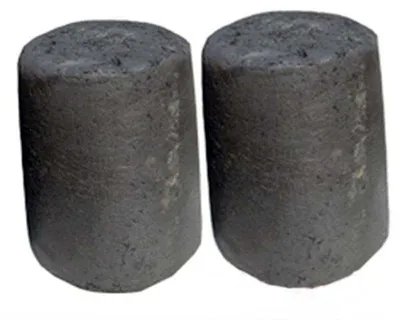
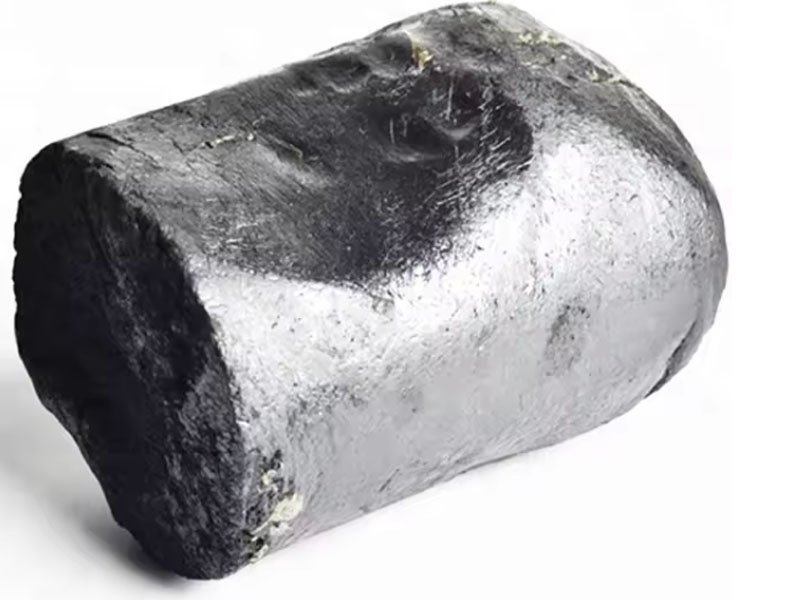
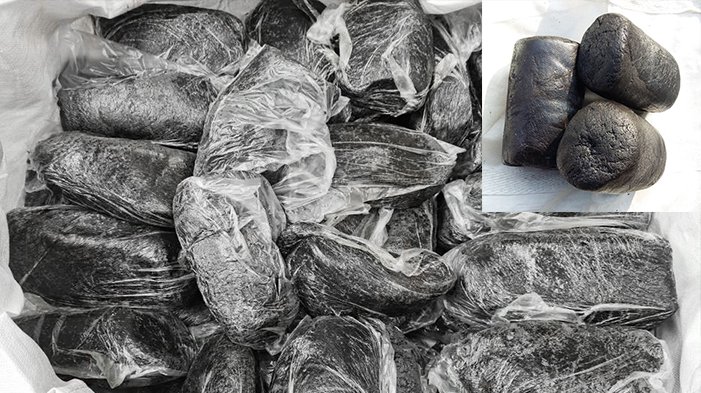
At Beifang Alloy, we hear this question frequently from fellow ferroalloy producers: “We bought one batch of Taphole Clay. Last week, it drilled perfectly and held the slag. This week, we can’t keep the iron in the furnace – it keeps ‘hanging up’ and breaking through prematurely. What changed?”
If you are a procurement or production manager in a ferrosilicon, silicon manganese, or chrome plant, you know this scenario is frustrating—and expensive. When taphole clay fails to hold, you face unscheduled tapping, safety risks, and lost production time.
Conventional wisdom blames the clay quality. But here’s the truth: Even the same batch of taphole clay can perform differently due to changing furnace conditions and application technique. Let’s break down the technical reasons, and then explore how Beifang Alloy can help you source smarter.
Most ferroalloy plants purchase taphole clay based on price and chemical specs (Al₂O₃, SiC, fixed carbon). But your real procurement need is not clay—it is consistent, predictable taphole closure performance.
Why the same batch fails:
Fluctuating Tap Temperatures: Last week’s 1450°C tap vs. this week’s 1520°C tap changes the sintering rate. If your clay’s refractory range is narrow, higher temperatures soften it too fast.
Changes in Slag Composition: Higher FeO or basicity in this week’s slag will corrode the clay faster, causing premature washout.
Storage & Moisture: Even one week of high humidity or improper covering can increase moisture content by 1-2%, destroying the clay’s hot strength and causing “blow-outs.”
Beifang Alloy Insight: Your procurement need should include thermal stability documentation and storage guidelines, not just a datasheet.
Recent studies on refractory materials for submerged arc furnaces (SAF) highlight three hidden variables:
| Variable | Last Week (Good) | This Week (Bad) |
|---|---|---|
| Tap temperature | 1460°C ± 20°C | 1510°C ± 30°C |
| Waiting time before tapping | 15 min | 25 min (clay over-sintered, becomes brittle) |
| Clay application pressure | 0.6 MPa (optimal) | 0.4 MPa (operator change – poor compaction) |
Key Finding: Over 60% of “bad clay” incidents are actually operational-environmental mismatches, not raw material defects. However, low-quality clay with wide particle size distribution or unstable binders will magnify these issues.
Industry Best Practice: Use taphole clay with a wide sintering range (1300°C–1600°C) and resin + tar combined binder to tolerate furnace variations.
As a buyer at a ferroalloy factory, do not just ask for “high Al₂O₃ clay.” Use this checklist when contacting suppliers like Beifang Alloy:
Required Specifications for Ferroalloy Taphole Clay:
Refractoriness: ≥ 1750°C
Bulk density (after drying): ≥ 2.2 g/cm³
Porosity: 18-22% (too low = cracks, too high = erosion)
Thermal shock resistance: > 25 cycles (1000°C water cooling)
Moisture upon delivery: < 1.5%
Binder type: Composite (tar/resin) for adjustable sintering speed
Supplier Evaluation Questions:
“Do you batch test for temperature stability across 100°C swings?”
“Can you provide a video of your clay’s hot erosion test?”
“Do you offer on-site application training?”
Red Flags:
Supplier cannot provide batch-specific QC data.
Clay arrives with broken packaging or condensation inside.
No adjustment for your furnace’s tapping angle or taphole diameter.
Not all taphole clay suppliers understand the ferrosilicon or manganese alloy furnace. Most sell “blast furnace clay” to all industries – a dangerous mismatch.
Here is a direct comparison:
| Criterion | General Refractory Trader | Beifang Alloy (Your Partner) |
|---|---|---|
| Industry focus | General steel & foundry | Specialized in Ferroalloy furnaces (FeSi, SiMn, FeCr) |
| Batch traceability | “Same formula” only | Lot-specific sintering curve & moisture certificate |
| Problem-solving | Blames your operation | Sends engineer to check taphole diameter, pressure, and furnace cycle |
| Storage support | None | Provides on-site moisture control & reconditioning guide |
| Responsiveness | Days for reply | 24h email (info@hnxyie.com) & remote video diagnosis |
Why Beifang Alloy guarantees consistency:
We manufacture taphole clay with real-time rheology control – not just fixed recipes.
Each batch is tested on a simulated ferroalloy tapping rig before shipping.
We train your crew: correct clay cone size, gun pressure, and holding time for YOUR furnace.
If you face “iron hang-up” with the same clay batch, check:
Furnace temperature trend (+50°C changes everything)
Clay moisture (re-dry if >2%)
Gun pressure (compact to 1.8-2.0 g/cm³ density)
And most importantly – choose a supplier that understands ferroalloy dynamics, not just refractory chemistry.
At Beifang Alloy, we don’t just sell taphole clay. We sell taphole reliability.
📞 Call or email our ferroalloy support team:
📧 info@hnxyie.com
🌐 www.beifangalloy.com
Tell us: furnace type, tapping temp, and clay batch number. We’ll diagnose your “hang-up” within 24 hours – often for free.