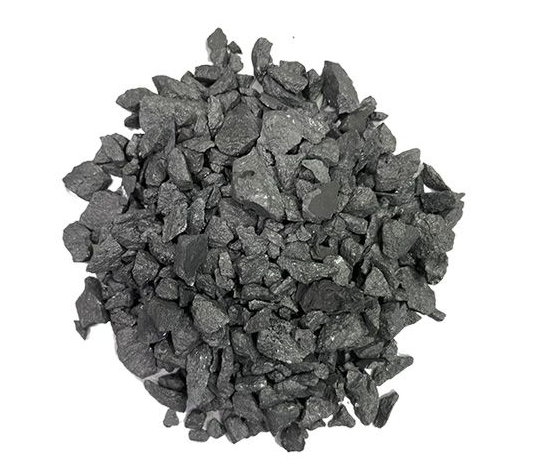
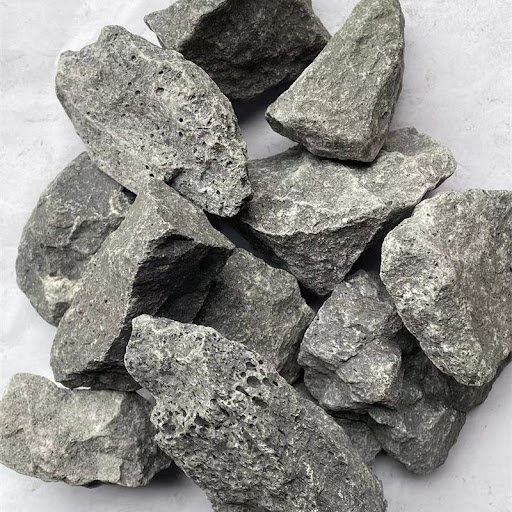
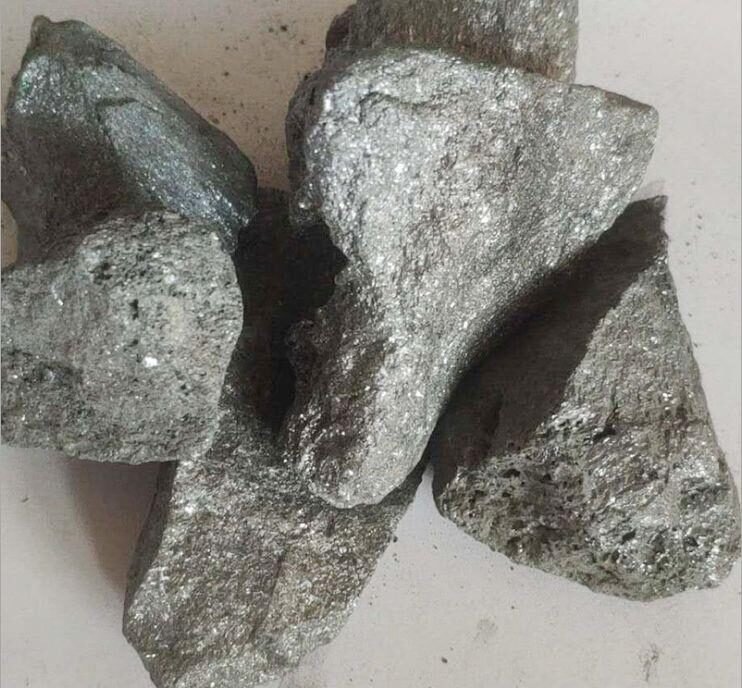
In steelmaking deoxidation, Si-Ca-Mn composite deoxidizer is widely used in converter, electric furnace, and induction furnace melting because it combines deoxidation, desulfurization, and alloying functions. For buyers, shelf life directly affects inventory turnover strategy, capital occupation cost, and usage stability. Shelf life claims in the market vary significantly: some suppliers state 6 months, others claim 8 months, while certain manufacturers actually label their products with a 12-month validity period. This information asymmetry creates challenges for procurement decisions.
This article examines whether the shelf life of Si-Ca-Mn deoxidizer can reach more than 12 months from four dimensions: procurement needs, industry research, procurement guide, and supplier comparison.
Steel and foundry enterprises usually follow the principle of “purchase on demand, maintain moderate inventory” when procuring Si-Ca-Mn deoxidizer. However, due to production plan fluctuations, logistics cycles, and market price volatility, companies often need to maintain a certain safety stock.
Hidden costs caused by insufficient shelf life include: increased alloy consumption due to reduced deoxidation efficiency of expired products, feeding difficulties caused by moisture absorption and caking, and inventory losses from forced discount disposal or scrapping. For small and medium-sized foundries with an annual purchase volume of dozens of tons, a 6-month shelf life means facing at least two rounds of inventory clearance pressure each year.
Therefore, a shelf life of more than 12 months has clear procurement value: it enables enterprises to make bulk purchases on a quarterly or semi-annual basis, negotiate better prices, and reduce the administrative cost of frequent orders.
Si-Ca-Mn deoxidizer is a composite alloy made by melting and crushing, with silicon, calcium, and manganese as the main elements, supplemented by aluminum, barium, iron, and other components. Its chemical properties are relatively stable, and the core factor affecting shelf life is the storage environment rather than the alloy itself.
From a chemical perspective, silicon and manganese oxidize at extremely low rates in dry air at room temperature. Calcium is relatively active, but when present in alloy form, its reactivity is constrained by the matrix structure. Technical data shows that ferrosilicon can maintain chemical stability for 3 to 5 years under proper storage conditions. For calcium-silicon alloys and silicomanganese alloys, the standard storage period in closed warehouses is listed as up to 5 years under Russian GOST standards.
Product form and packaging are equally critical. Powder and granular deoxidizers have a larger specific surface area than bulk products, resulting in higher moisture absorption risk. Products using inner plastic and outer woven bags with sealed moisture-proof packaging have significantly better validity than those with ordinary packaging. The patented production process emphasizing “vibration screening for impurity removal — weighing and storage — sealed packaging — printing production date” is designed precisely to ensure product stability during storage.
The “6-month” labeling seen in industry practice more reflects the manufacturer’s confidence boundary regarding its own packaging sealing and storage condition control, rather than the chemical limit of the material. When packaging remains sealed and the storage environment is dry and ventilated, a shelf life of more than 12 months is entirely technically feasible.
When purchasing Si-Ca-Mn deoxidizer, judging the reliability of shelf life commitments requires examination from the following dimensions:
First, packaging sealing level. Ask suppliers whether they use “inner plastic and outer woven” or “vacuum sealed” packaging. Products in ordinary woven bags face linearly increasing moisture risk over storage time, while sealed packaging can effectively isolate moisture and is a prerequisite for long shelf life.
Second, storage condition requirements. Whether the supplier provides clear storage guidelines — such as “store in a cool, dry place, keep off the ground, avoid contact with acids.” Manufacturers willing to give detailed storage recommendations usually have a more thorough understanding of product stability.
Third, production date labeling. Require suppliers to clearly print production date and batch number on packaging. Products without date labeling lack traceability for their “shelf life” claims.
Fourth, small-batch verification. For products claiming a shelf life of more than 12 months, purchase a small quantity first, store it under your own warehouse conditions for 6 to 8 months, and then test the deoxidation effect. This is the most direct verification method.
Currently, shelf life labeling among Si-Ca-Mn deoxidizer suppliers in the market shows clear differentiation:
| Shelf Life Label | Typical Description | Signal Reflected |
|---|---|---|
| 6 months | “Shelf life is generally 6 months, depending on different elements” | Conservative labeling, possibly general packaging sealing level or product contains moisture-prone components |
| 8 months | “Eight months, can use it directly after opening the box” | Medium confidence, emphasizing ready-to-use after opening |
| 12 months | “Shelf life 12 months” | Full confidence in packaging and product stability |
| Unspecified/Long-term | Some products labeled “Validity: long-term effective” | Lack of standardized labeling, requires caution |
Beifang Alloy, as a ferroalloy manufacturer, should strengthen control in the following areas to establish differentiated advantages in shelf life: adopt sealed moisture-proof packaging, clearly label production date and recommended storage conditions on tags, and support shelf life claims with actual storage test data. Compared with the conservative practice of labeling only “6 months,” a shelf life commitment of more than 12 months can effectively reduce customers’ inventory management burden and is a substantial competitiveness factor in B2B procurement.
Achieving a shelf life of more than 12 months for Si-Ca-Mn deoxidizer is technically feasible, provided that sealed packaging and standardized storage are in place. Buyers should regard shelf life commitments as a signal of a supplier’s packaging technology and quality control level, rather than a simple numerical choice. For steel and foundry enterprises with long-term inventory needs, prioritizing suppliers with clear shelf life labeling, clear storage guidelines, and qualified packaging sealing levels is an effective strategy for controlling comprehensive procurement costs.
Beifang Alloy — Ferroalloy manufacturer committed to quality and reliability.
Website: www.beifangalloy.com
Email: info@hnxyie.com