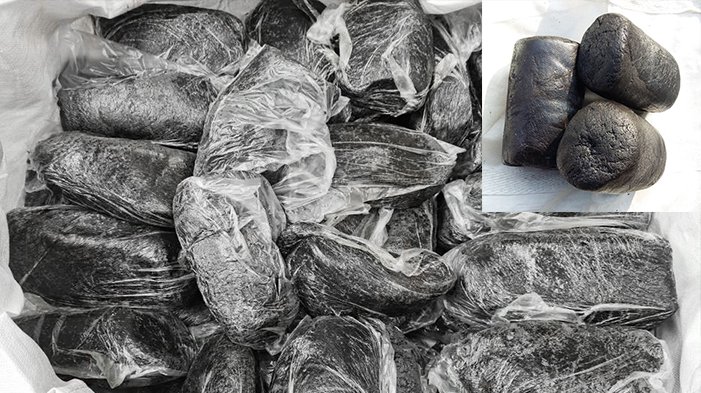
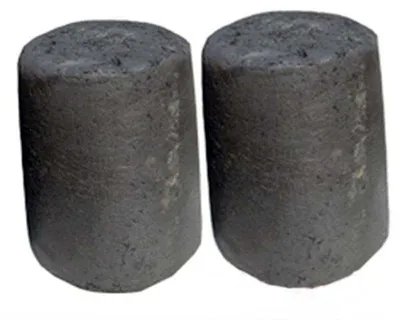
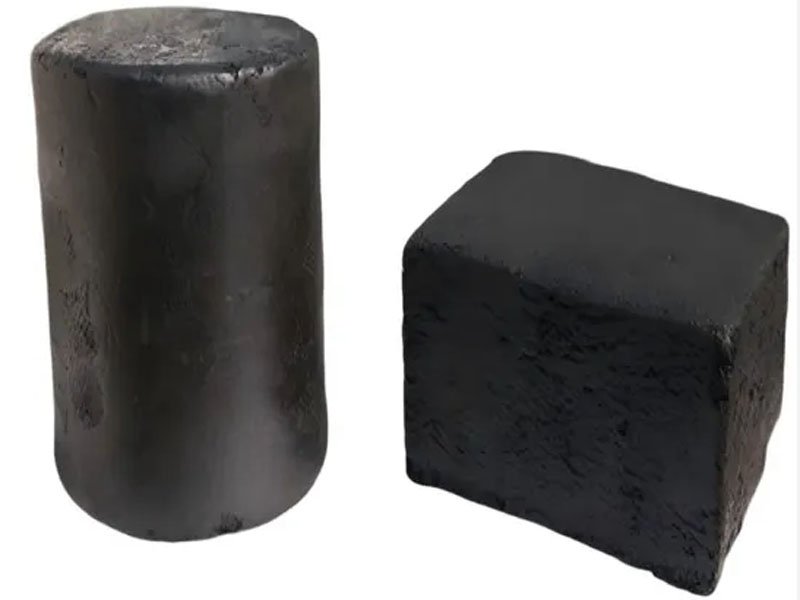
Under the dual pressures of hot metal cost control and blast furnace longevity, taphole clay is no longer just a “plugging material”—it is the safety valve that ensures stable blast furnace operation. As a experienced ferroalloy factory, Beifang Alloy understands that choosing the wrong taphole clay supplier can lead to anything from iron leakage damaging equipment to serious safety accidents caused by poor hearth activity.
How do you scientifically evaluate taphole clay suppliers? Based on years of industry experience, we have refined a five-dimension supplier evaluation model, broken down into four practical steps: Procurement Needs → Industry Research → Procurement Guide → Supplier Comparison.
Before evaluating any supplier, the first step is to look inward—clarify your own blast furnace operating conditions and procurement needs.
| Evaluation Factor | Key Questions |
|---|---|
| Furnace volume & tapping frequency | Small furnace ( <450m³ ) vs. large furnace ( >2500m³ ) — require completely different refractory indices. |
| Taphole depth requirements | Stable at 2.8–3.2m? Or wide fluctuation? |
| Environmental & water-free standards | Must be anhydrous taphole clay? Any local emission limits for asphalt fume or benzo(a)pyrene? |
| Cost sensitivity | Chasing the lowest unit price? Or optimizing comprehensive taphole cost (consumption rate, re-plugging frequency, drill bit wear)? |
Beifang Alloy Suggestion: Fill out a Taphole Clay Operating Conditions Form before sourcing. Clearly separate “mandatory” vs. “nice-to-have” functions to prevent low-cost suppliers from causing frequent tap-hole failures.
After clarifying your internal needs, the next step is to look outward—conduct a full industry scan.
Based on our tracking of over 200 iron plants in China, taphole clay suppliers fall into three categories:
| Type | Advantages | Disadvantages |
|---|---|---|
| Large refractory groups (public refractory companies) | Strong R&D, stable formulations | High prices, slow response for small clients, large MOQ |
| Regional small/medium taphole clay factories | Flexible pricing, fast local delivery | Inconsistent quality, unstable raw material sources (outsourced bauxite/coke powder); sudden “soft break” or “hard break” during tapping |
| Ferroalloy factories extending into taphole clay (e.g., Beifang Alloy model) | Control over core raw materials (high-alumina aggregate, SiC, clay) → consistent composition; deep understanding of BF operations | Brand awareness may be lower than traditional refractory giants |
Industry Truth: Most taphole clay quality problems are not formulation issues, but suppliers using substandard secondary raw materials. Therefore, suppliers with captive alloy mining/smelting capacity have a natural advantage.
Based on the industry research above, Beifang Alloy proposes a Five-Dimension Taphole Clay Supplier Evaluation Model. We recommend scoring each dimension:
Check items:
Fixed sources for bauxite, clay, and coke powder?
Incoming testing of bulk density, refractoriness, and loss on ignition (LOI) for every batch?
Any use of recycled/low-grade materials?
Beifang Alloy practice: We own our ferroalloy furnaces, giving us source-level control over aluminum and silicon components.
Check items:
Electronic weighing + automatic water addition on the pug mill? (Manual guessing = quality disaster)
Online plasticity tester for real-time consistency monitoring?
Vacuum-packed finished product to prevent moisture absorption?
Minimum requirement: Supplier must provide Plasticity & Marsh Value test reports for the last three batches.
Check items:
Can they adjust sintering speed based on your taphole depth and iron flow rate?
24-hour on-site response for abnormalities like “mud cannot be injected”?
Will a technician stay on-site for the first trial heat?
Check items:
Can they prevent moisture caking during the rainy season?
Do they maintain a regional warehouse near steel mills for emergency shipments?
Calculation formula:
(USD/ton clay price) ÷ (clay consumption in kg per ton of hot metal) + (drill bit & rod cost per ton of hot metal)
Watch out: Low unit price often leads to higher consumption rate.
A 380m³ blast furnace originally used clay at 450/ton∗∗buthadahighconsumptionrateof∗∗1.2kg/tHM∗∗.Afterswitchingtoaqualitysupplierat∗∗540/ton, consumption dropped to 0.7 kg/tHM.
| Comparison Item | Low-Price Supplier A | Quality Supplier B (e.g., Beifang Alloy) |
|---|---|---|
| Price per ton of clay | $450 | $540 |
| Consumption (kg/tHM) | 1.2 kg | 0.7 kg |
| Clay cost per ton of HM | $0.54 | $0.378 |
| Drill rods per taphole | 2 rods | 1 rod |
| Taphole success rate | 82% | >95% |
Conclusion: The higher unit-price supplier actually delivers lower comprehensive cost, while reducing hidden costs like re-plugging and iron notch repairs.
Raw material control – As a ferroalloy factory (silicon iron, manganese alloys, etc.), we maintain strict purity standards for aggregates and silicon carbide used in taphole clay.
Low-MOQ customization – No forced minimum order quantity. We develop formulations based on your actual taphole depth and tapping duration.
Fast response – From our Henan production base, direct delivery to North, East, and Central China steel mills within 24–48 hours.
Transparent reporting – Every batch comes with third-party Marsh Value / Plasticity test reports.
If you are struggling with taphole fluctuation or high clay consumption, contact us:
Website: www.beifangalloy.com
Email: info@hnxyie.com
Free services: Taphole Clay Supplier On-Site Audit Scorecard + small trial batch available.
Beifang Alloy – Precision from ferroalloys, quality for taphole clay.