Home > Products > Refractory Products > Refractory Bricks

Refractory Bricks

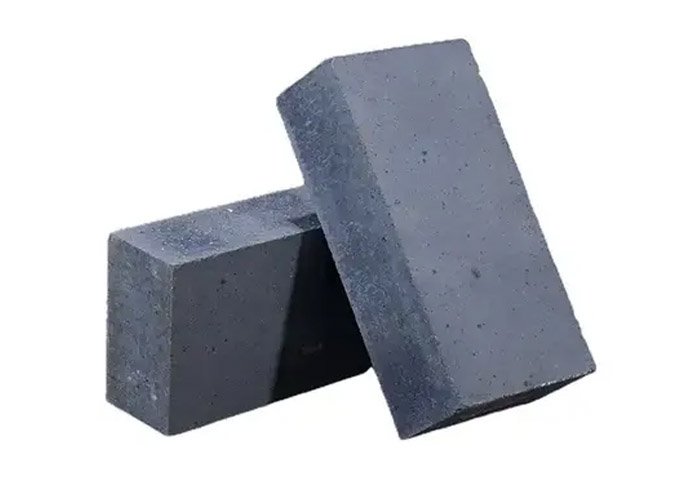
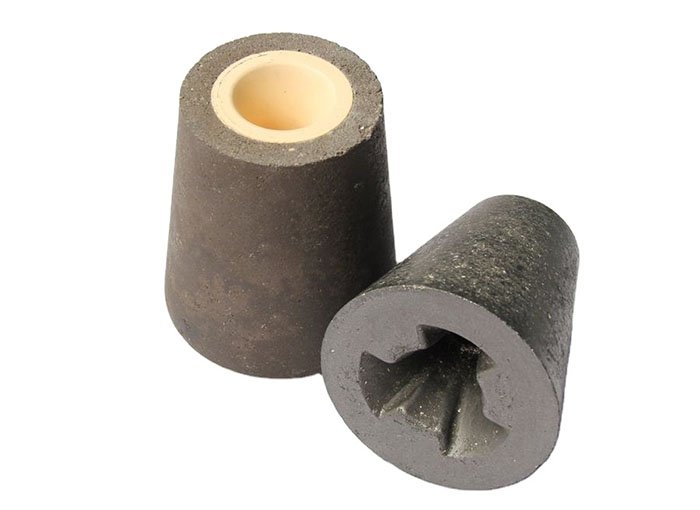
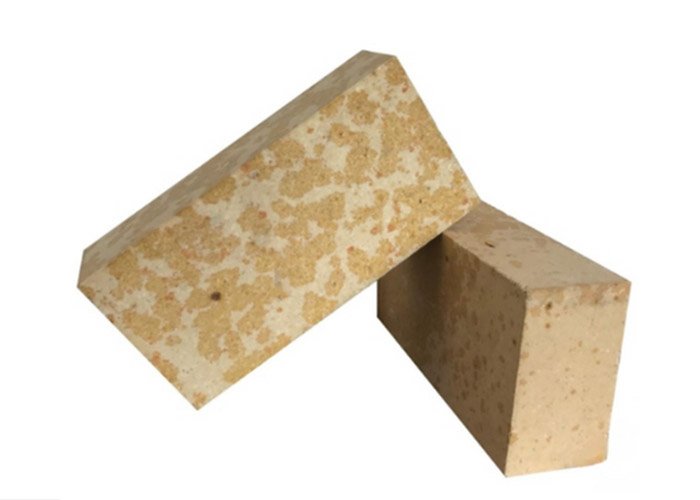
Refractory bricks are shaped refractory materials made from refractory raw materials through batching, forming, drying, and high-temperature firing. They feature high refractoriness, good high-temperature volume stability, and sufficient mechanical strength. Refractory bricks are core lining materials for high-temperature industrial furnaces and thermal equipment, widely used in metallurgy, building materials, chemicals, and power generation.
Introduction
MORE DETAILS
Related Products
Inquiry
Introduction

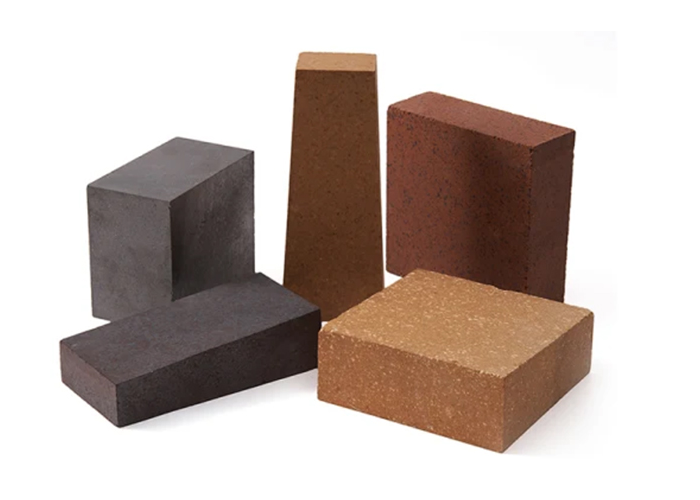
Refractory bricks are shaped refractory materials made from refractory raw materials through batching, forming, drying, and high-temperature firing. They feature high refractoriness, good high-temperature volume stability, and sufficient mechanical strength. Refractory bricks are core lining materials for high-temperature industrial furnaces and thermal equipment, widely used in metallurgy, building materials, chemicals, and power generation.
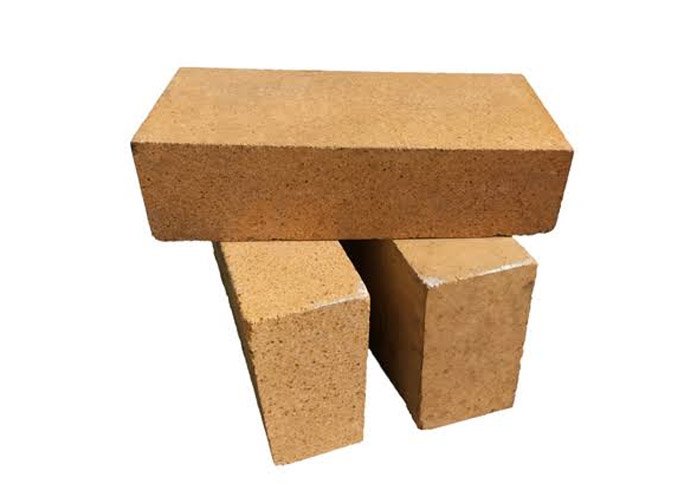
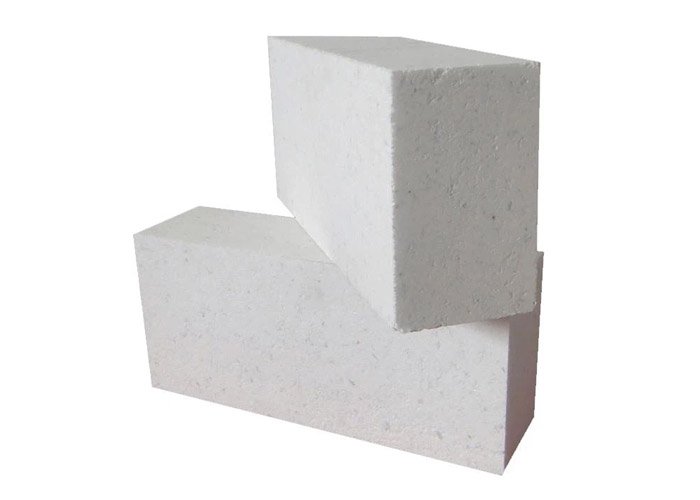
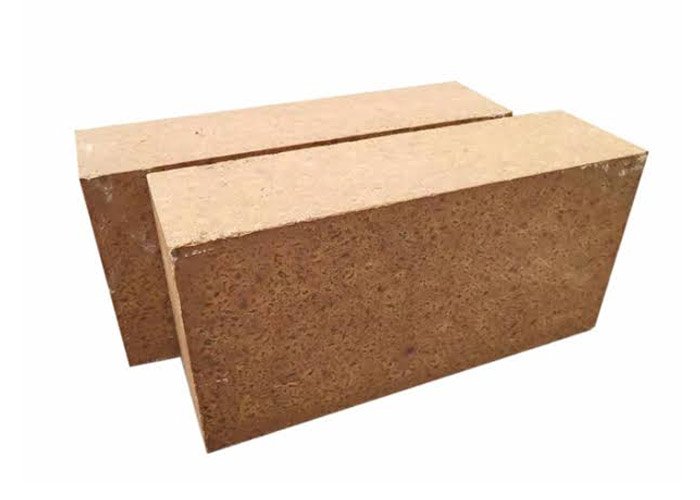
Silica Brick High Alumina Brick Corundum Brick
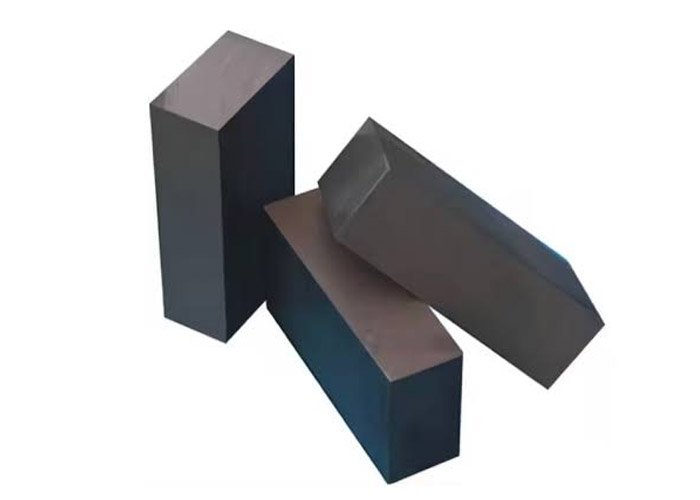
Carbon Brick Magnesia Brick Silicon Carbide Brick
MORE DETAILS

Production Process

The production of refractory bricks is a systematic process from raw materials to finished products, mainly including:

1. Raw Material Selection & Preparation

  • High-quality refractory raw materials such as bauxite, clay, quartzite, magnesite, and graphite
  • Crushing, screening, and iron removal; classified by particle size
  • Some raw materials are calcined or fused to improve purity and stability

2. Batching & Mixing

  • Aggregates, fines, binders, and additives are precisely weighed according to the formula
  • Binders (water, resin, pitch, phosphate, etc.) are added and thoroughly mixed
  • Ensure the mix has suitable plasticity and forming performance

3. Forming

  • Friction press, hydraulic press, or isostatic pressing
  • Different molds selected according to brick shape; forming pressure typically 100–300 MPa
  • Ensure uniform density, precise dimensions, and no lamination

4. Drying

  • Green bricks enter drying kilns and are slowly dried at controlled temperatures (typically 100–200°C)
  • Remove moisture to prevent cracking during firing

5. High-Temperature Firing

  • Bricks are fired in tunnel kilns, shuttle kilns, or rotary kilns
  • Firing temperature varies by material, typically 1300–1800°C
  • Sintering reactions form stable mineral phases and bonding structures

6. Inspection & Packaging

  • Finished bricks are inspected for appearance, dimensions, and physicochemical properties
  • Qualified products are classified, packaged, and stored or shipped

Quality Control System:

  • Incoming raw material inspection
  • In-process parameter monitoring
  • Finished product testing
  • Pre-delivery sampling and traceability management

Product Advantages

1. Excellent High-Temperature Performance
High refractoriness and high refractoriness under load; maintains structural stability at high temperatures.

2. Good Thermal Shock Resistance
Withstands rapid temperature fluctuations in furnaces without cracking or spalling.

3. Strong Slag Resistance
Depending on material, offers excellent resistance to acidic or basic slags, extending service life.

4. High Strength & Wear Resistance
High cold and hot strength; resistant to material erosion and abrasion under heavy loads.

5. High Dimensional Accuracy
Precision molds and strict process control ensure regular shapes, easy installation, and thin joints.

6. Customization Service
Customized materials, shapes, and sizes available based on customer furnace conditions, application positions, and drawings.

7. Stable & Reliable Quality
Full-process quality control from raw materials to finished products ensures batch consistency and stable performance.

Main Applications

Refractory bricks are widely used in the linings and critical areas of high-temperature industrial furnaces and thermal equipment:

1. Metallurgy

  • Blast furnaces, hot blast stoves, coke ovens
  • Converters, electric arc furnaces, ladles, tundishes
  • Reheating furnaces, soaking pits, annealing furnaces
  • Non-ferrous smelting furnaces

2. Building Materials

  • Cement rotary kilns, lime kilns
  • Glass melting furnaces
  • Ceramic tunnel kilns, shuttle kilns

3. Chemicals

  • Gasifiers, reformers
  • Cracking furnaces, incinerators
  • Sulfur recovery units

4. Power Generation

  • Boilers, ash melting furnaces
  • Waste-to-energy incinerators

5. Others

  • Cupolas and holding furnaces in foundries
  • Baking furnaces in the carbon industry
  • Various high-temperature experimental and industrial furnaces
INQUIRY
You can talk to our online representative at any time. Please use our Live Chat System on our website or Fill up below instant messaging programs.Please be patient, We will get back to you. Our 24/7 Support, General Inquireies Phone: +86 18821346688

    *Name

    *Email

    Subject

    *Phone

    Your Massage

    Whatsapp: +86 17637210171
    Tel: +86 18821346688
    info@hnxyie.com