Nozzles are key functional refractory materials in the continuous casting process. Installed between the ladle, tundish, and mold, they control and guide the flow of molten steel while preventing oxidation, slag entrapment, and secondary contamination. The quality of nozzles directly affects the stability of continuous casting, steel cleanliness, and billet quality.
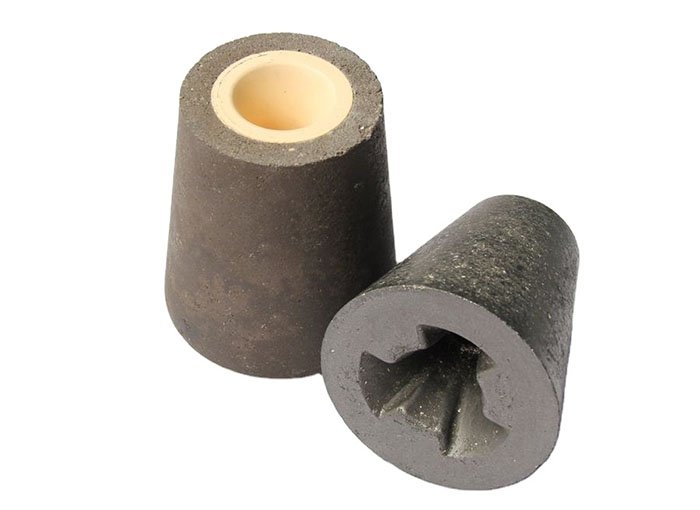

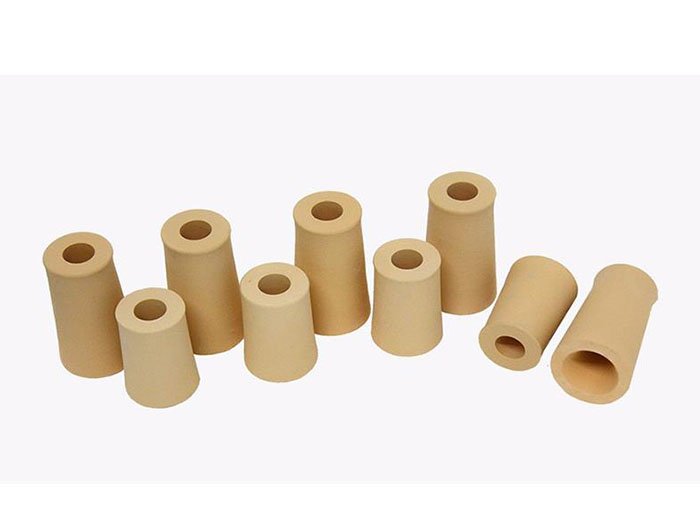


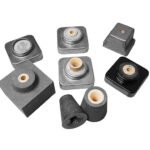


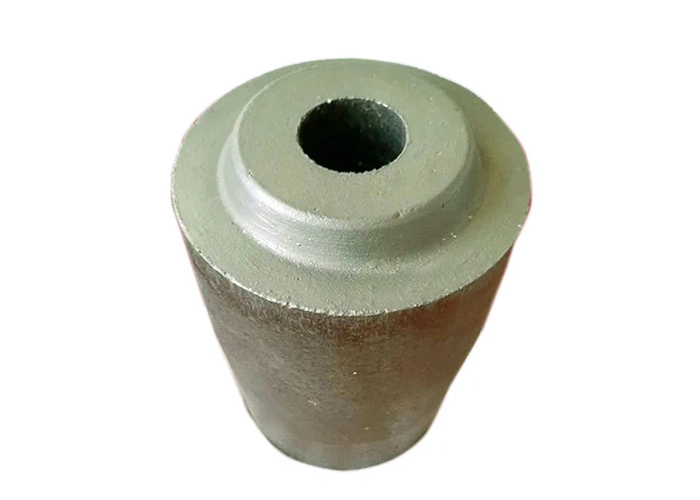
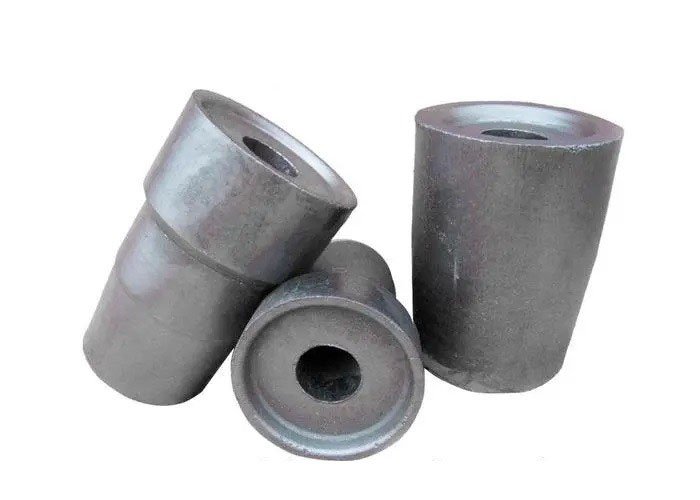
In the steelmaking process, precision and control are paramount. Among the many components that play a crucial role in ensuring high-quality output is the tundish nozzle. This article delves into the significance of tundish nozzles, their functions, and the materials that make them indispensable in modern metallurgical practices.We mainly produce ladle nozzles, tundish nozzles, and submerged entry nozzles (SEN).
 |
 |
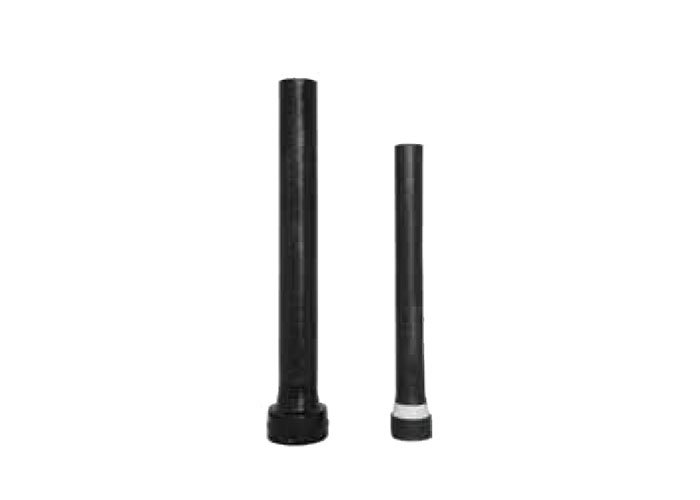 |
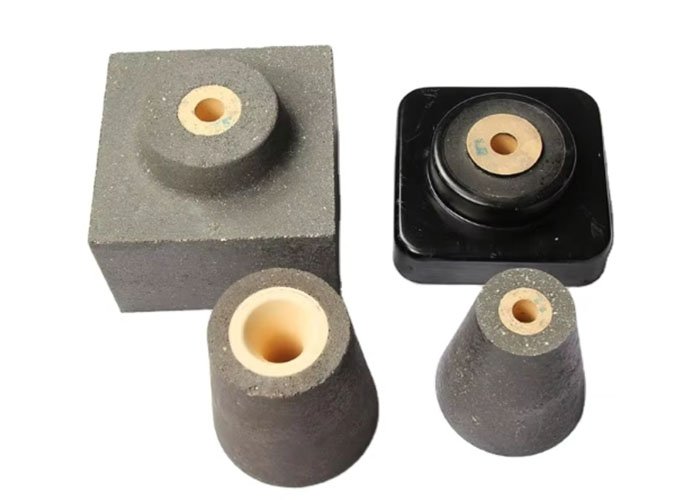
| Ladle Upper Nozzle | Ladle Lower Nozzle | Ladle Shroud |
 |
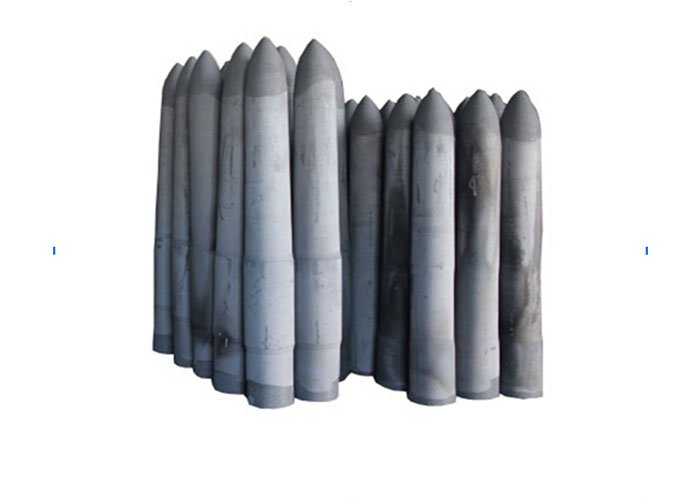 |
| Tundish Upper Nozzle | Monolithic Stopper Rod |
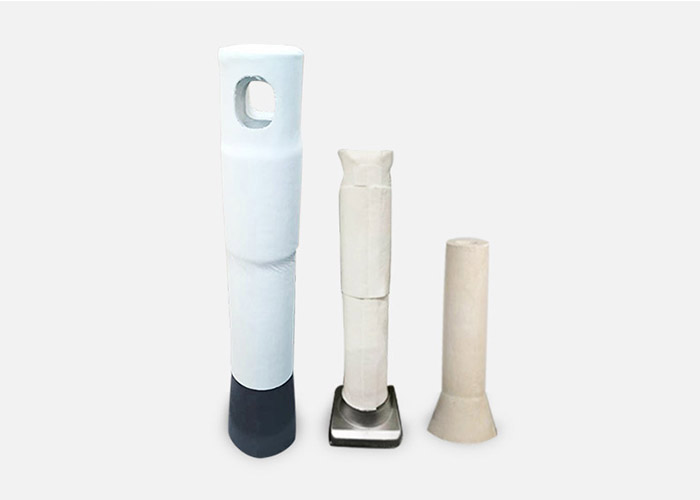
| Zirconia Inserts | Tundish Nozzle Outer | |||||
| LKZN-L | LKZN-M | LKZN-H | LKTN75 | LKTN85 | LKTN90 | |
| Physical Properties | ||||||
| Apparent Porosity (%) | 11-12 | 8-10 | 6-8 | 20 | 18 | 16 |
| Bulk Density
(g/cm3) |
≥4.9 | ≥5.2 | ≥5.3 | 2.6 | 2.8 | 3 |
| Chemical Analysis(%) | ||||||
| ZrO2 + HfO2 | ≥94.0 | ≥95.5 | ≥95.5 | / | / | / |
| SiO2 | 1.1 | 0.23 | 0.5 | 20 | 13 | 8 |
| TiO2 | 0.2 | 0.2 | 0.1 | 3 | 2.1 | 0.3 |
| Fe2O3 | 0.5 | 0.05 | 0.05 | 2.5 | 2 | 0.58 |
| Al2O3 | 0.4 | 0.42 | 0.1 | ≥75 | ≥85 | ≥90 |
| CaO | 0.2 | 0.15 | 0.15 | 0.2 | 0.1 | 0.2 |
| MgO | 2.5 | 2.4 | 2.4 | 0.2 | 0.1 | 0.06 |
| Na2O | 0.03 | 0.01 | 0.01 | 0.6 | 0.5 | 0.3 |
Nozzles are key functional refractory materials in the continuous casting process. Installed between the ladle, tundish, and mold, they control and guide the flow of molten steel while preventing oxidation, slag entrapment, and secondary contamination. The quality of nozzles directly affects the stability of continuous casting, steel cleanliness, and billet quality.

Nozzles are typically made from high-quality refractory materials that can withstand the extreme temperatures and corrosive nature of molten steel. Common materials include:


Nozzles are extensively used in the continuous casting process in steelmaking. They are crucial in producing various steel products, from slabs and billets to blooms, by ensuring that the molten steel is cast in the most efficient and defect-free manner possible.
The nozzle may seem like a small component in the grand scheme of steelmaking, but its impact is significant. By controlling the flow of molten steel, preventing contamination, and managing temperature, nozzles play a crucial role in ensuring the production of high-quality steel. The choice of materials and nozzle design can greatly influence the efficiency and output of the steelmaking process, making them a key focus area for innovation in the metallurgical industry.