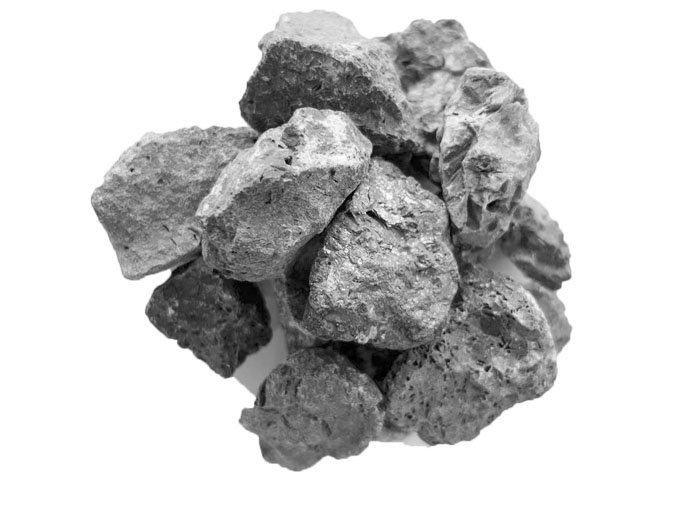
Iron Erosion vs. Slag Corrosion: Which One Should Your Tap Hole Clay Resist First?
For ferroalloy furnaces, tap hole clay faces two killers: physical iron washing and chemical slag corrosion. As a professional ferroalloy manufacturer, Beifang Alloy breaks down the real battle—and gives you a procurement guide to extend tap hole life.
View More >
20
2026-05
Porosity 18% vs. 15%: Have You Accurately Calculated the “Critical Difference” in Taphole Clay Sintering Speed?
In blast furnace front management, the performance of taphole clay directly determines taphole depth stability and tapping efficiency. As a technical team responsible for procurement and furnace management,
View More >
19
2026-05
Slow Sintering Speed: Is It Your Refractory Formula or Inadequate Taphole Clay Mixing Time?
Is your blast furnace taphole taking too long to dry? Beifang Alloy breaks down the root causes—from material ratios to mixing cycles—and provides a procurement guide for high-performance taphole clay.
View More >
15
2026-05
The “Iron Hang-Up” Mystery: Same Batch, Different Result
At Beifang Alloy, we hear this question frequently from fellow ferroalloy producers: “We bought one batch of Taphole Clay. Last week, it drilled perfectly and held the slag. This week, we can’t keep the iron in the furnace – it keeps ‘hanging up’ and breaking through prematurely. What changed?”
View More >
14
2026-05
The Key to Blast Furnace Longevity: Five Dimensions for Evaluating Taphole Clay Suppliers
Under the dual pressures of hot metal cost control and blast furnace longevity, taphole clay is no longer just a "plugging material"—it is the safety valve that ensures stable blast furnace operation. As a experienced ferroalloy factory, Beifang Alloy understands that choosing the wrong taphole clay supplier can lead to anything from iron leakage damaging equipment to serious safety accidents caused by poor hearth activity.
View More >
12
2026-05
When Hot Metal Temperature Exceeds 1520°C – Is Your Taphole Clay Still Reliable?
Modern blast furnace operations are pushing boundaries – higher productivity, higher injection rates, and increasingly, higher hot metal temperatures. When your taphole regularly sees liquid iron at 1520°C or above, standard taphole clay can fail catastrophically
View More >
13
2026-05
Scientifically Calculating Taphole Clay Cost per Ton of Hot Metal: A Practical Guide by Beifang Alloy
In blast furnace and ferroalloy production, taphole clay is a small consumable with a massive impact—it determines taphole stability, hot metal quality, and furnace front safety.
View More >
11
2026-05
The 5 Hidden Costs of Taphole Clay Procurement
In ferroalloy smelting, Taphole Clay is the critical material that ensures stable blast furnace tap hole operation. Most procurement managers focus only on the "price per ton.
View More >
09
2026-05
Everyone says Taphole Clay has ‘good stability’ – Dare to randomly select 5 batches for comparative testing?
View More >
08
2026-05
In the ferro alloy industry, a famous brand name promises reliability. But when it comes to consumables like Tap hole clay, are you really getting VIP treatment—or just their leftover capacity?
At Beifang Alloy, we hear the same complaint from smelters every week: “We paid a premium for a big-name supplier, but our tap hole clay fails inconsistently. The runny taps, the easy erosion... it feels like we are an afterthought.”
View More >
07
2026-05
Whatsapp: +86 17637210171
Tel: +86 18821346688
info@hnxyie.com