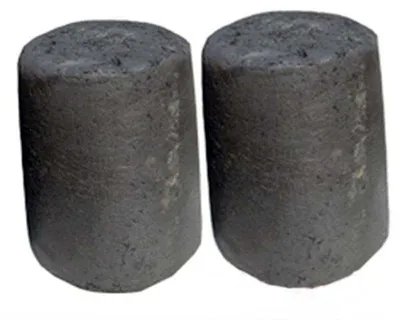
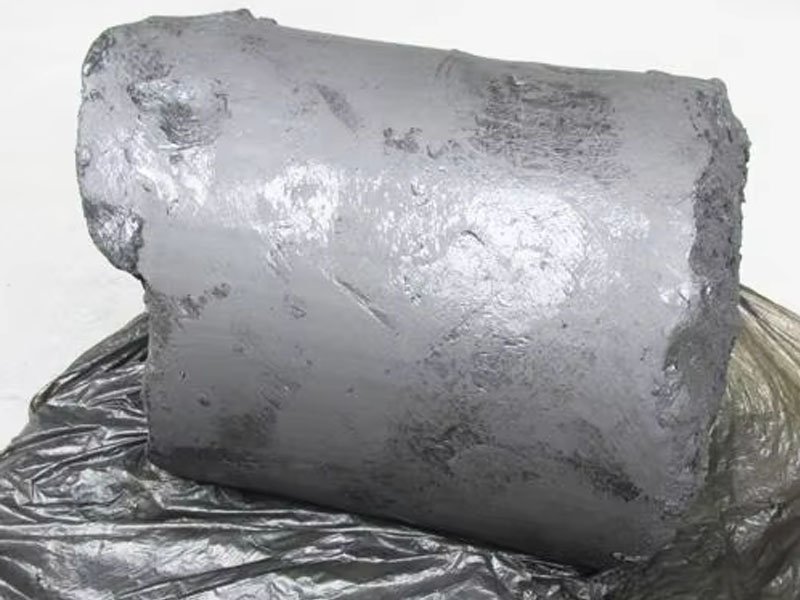
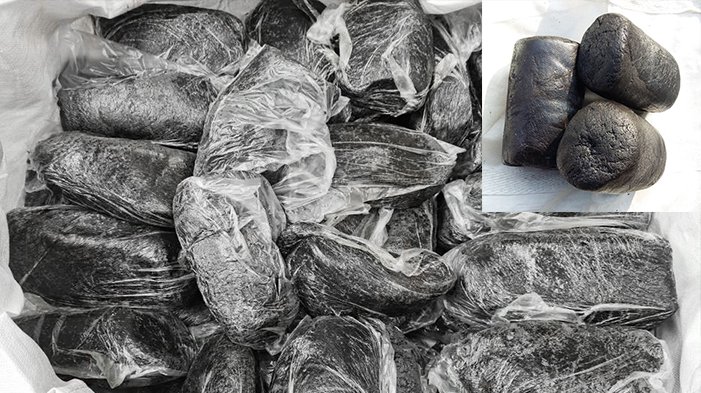
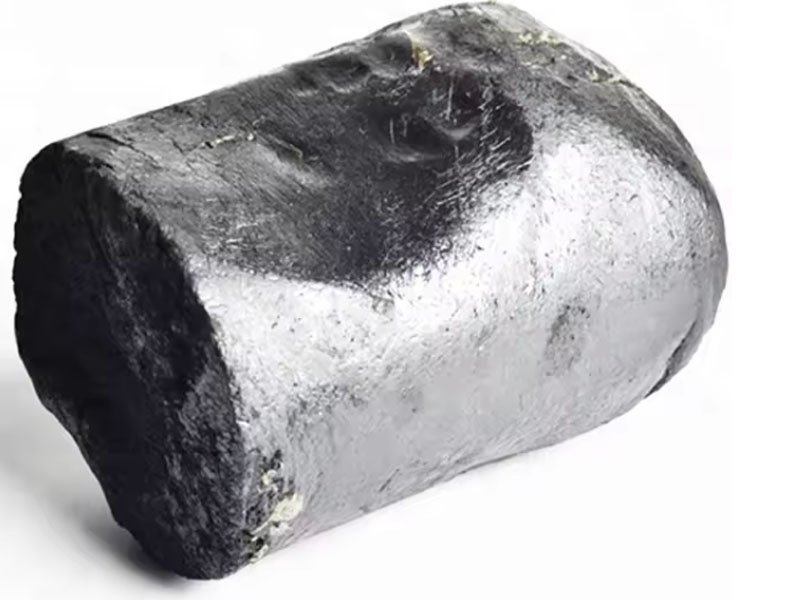
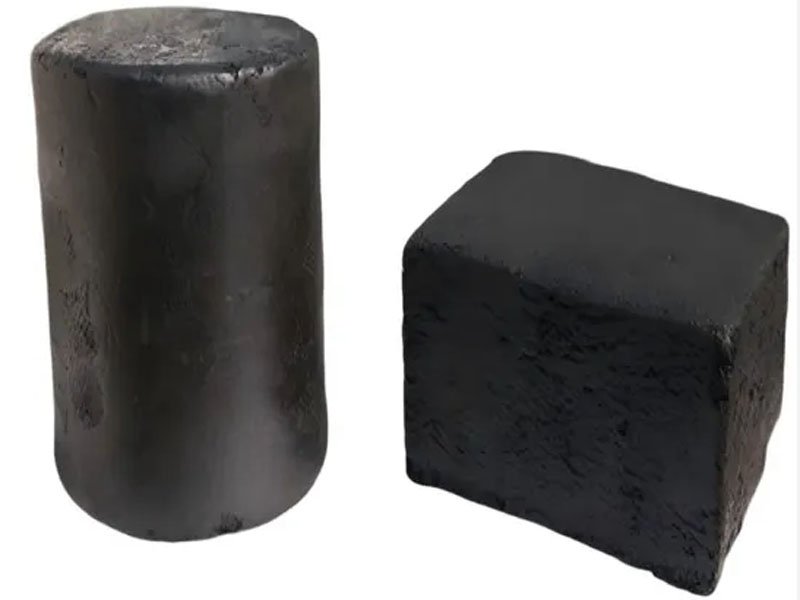
In the ferro alloy industry, a famous brand name promises reliability. But when it comes to consumables like Tap hole clay, are you really getting VIP treatment—or just their leftover capacity?
At Beifang Alloy, we hear the same complaint from smelters every week: “We paid a premium for a big-name supplier, but our tap hole clay fails inconsistently. The runny taps, the easy erosion... it feels like we are an afterthought.”
View More >
07
2026-05
If a Supplier Offers to Customize Taphole Clay to Your Exact Needs – Would You Give Them a Chance?
If a supplier offered to formulate taphole clay specifically for your furnace – your tapping temperature, your frequency, your pain points – would you give them a trial?
View More >
06
2026-05
Switching Taphole Clay Suppliers – What’s the Worst That Could Happen? Quality Disaster, or Are You Just Too Lazy to Switch?
In any ferroalloy plant, the taphole is the furnace's throat. Taphole clay directly affects tapping efficiency, safety, and even furnace campaign life.
View More >
30
2026-04
Price Drops by 100 RMB/Ton, but You Need Two Extra Taphole Closings and Two Extra Oxygen Lances per Day – Profit or Loss?
Looking only at unit price for taphole clay? Beifang Alloy's real-case analysis shows that a seemingly cheaper clay can double your taphole maintenance, silently eroding your furnace floor profits. Includes a professional procurement guide.
View More >
29
2026-04
Beyond the Price Tag: Why “Total Cost of Ownership” Matters More Than Tonnage Price for Taphole Clay
In the ferro alloy industry, every operational decision impacts your bottom line. When it comes to consumables like Taphole Clay, the natural instinct for many procurement teams is to look for the lowest price per ton.
View More >
28
2026-04
 If Your Taphole Clay’s Service Life Increases by Just 10%, How Much Downtime Could Your Ferroalloy Factory Save Per Year?
In a ferroalloy factory, every minute the furnace is idle is a minute of lost revenue. While taphole clay is often viewed as a consumable—a necessary but routine cost—we at Beifang Alloy believe it is a strategic lever. What if a 10% longer taphole clay service life could translate into hundreds of extra production hours annually? Let’s examine the hard numbers.
View More >
27
2026-04
Why Do Some Buyers Accept Annual Price Hikes from Imported Brands Instead of Trying High-Quality Domestic Taphole Clay Suppliers?
In high-temperature industries such as ferro alloy production and blast furnace ironmaking, taphole clay is a critical refractory material that ensures stable furnace operation. Yet a puzzling phenomenon persists: even as imported brands raise prices year after year and stretch delivery lead times, some procurement professionals stubbornly stick with them.
View More >
24
2026-04
Are You Buying the “Cheapest” Taphole Clay, or the “Lowest Cost per Ton of Hot Metal” Taphole Clay?
In ferroalloy smelting, taphole clay may seem like a consumable auxiliary material, but it directly determines furnace stability and tapping efficiency. As a procurement manager, are you still proud of saving "$200 per ton of clay"?
View More >
23
2026-04
Why Is Your Tapholeclay Consumption Per Ton Never Going Down? Where Could the Problem Be?
In the ferroalloy smelting process, the consumption of Tapholeclay (tap hole clay) per ton of alloy directly affects tapping efficiency, front-of-furnace operating costs, and overall production stability. Many companies find that no matter how hard they try, Tapholeclay consumption remains stubbornly high. Where exactly is the problem?
View More >
22
2026-04
What is Refractory Clay Used For? A Complete Procurement Guide for Ferroalloy Plants
At Beifang Alloy, we understand that producing high-quality ferroalloys isn't just about the metal—it’s about the resilience of your furnaces. The unsung hero behind every efficient smelting operation is refractory clay.
View More >
21
2026-04
Whatsapp: +86 17637210171
Tel: +86 18821346688
info@hnxyie.com